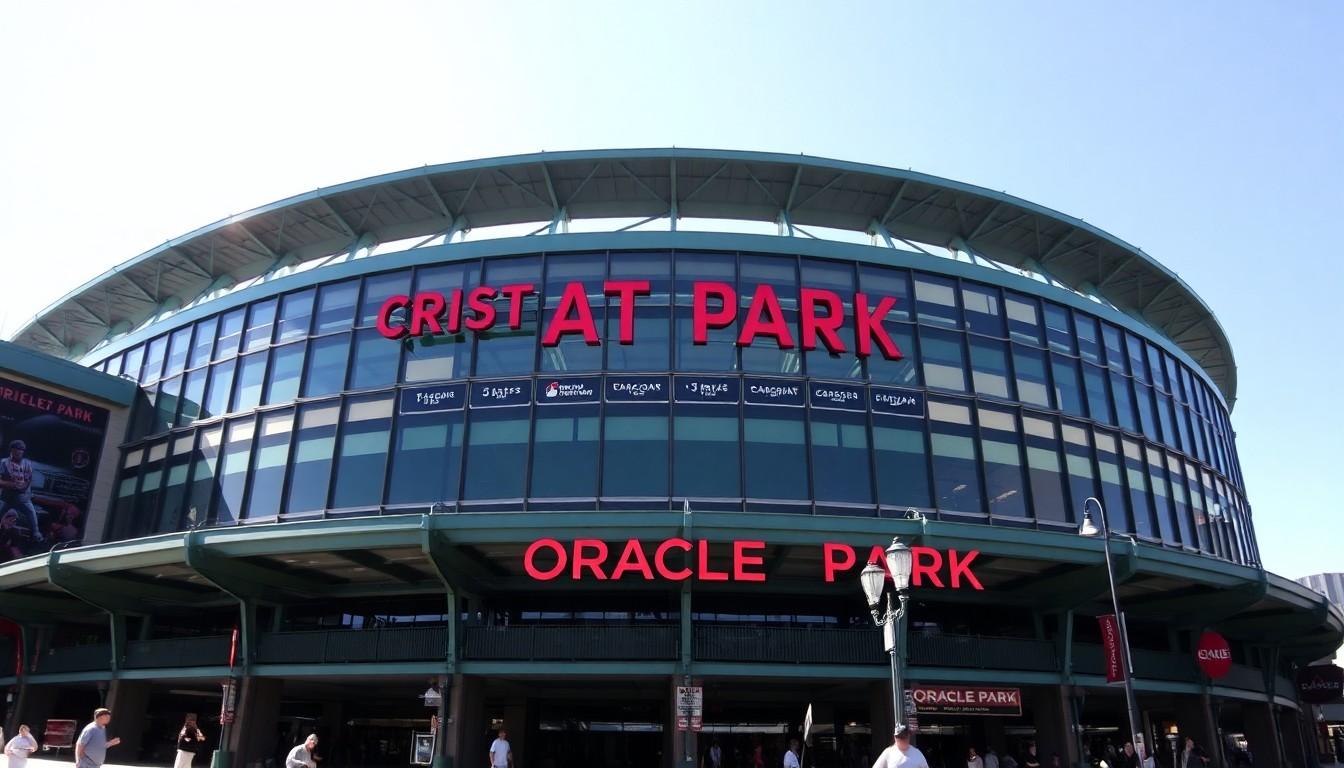
Watchers noticed a quiet, visual protest at Oracle Park when San Francisco Giants pitcher Landen Roupp wrote “Gen 9:12–16” on his Pride Night cap; the action, which other players echoed by refusing the rainbow lid, has stirred debate about faith, free expression and team culture in a city that treats Pride as part of the season.
Essential takeaways
- What happened: Several Giants pitchers declined the team’s rainbow Pride cap, with Landen Roupp inscribing Genesis 9:12–16 on his hat instead; others wore the standard cap or different scripture notes.
- Tone on the ground: The moment felt quiet but pointed , a small, tactile act that read loud in a stadium filled with colour.
- Reactions varied: Fans, commentators and local outlets have debated whether the move was personal faith, protest, or both; coverage ranges from explanatory to sharply critical.
- Practical note: Players are allowed personal expression within MLB rules, but team events often turn individual choices into broader conversations.
- Sensory cue: The visual contrast , a plain cap edge against rainbow-bright lids , made the exchange feel almost cinematic.
A simple line, a big ripple
A short script scrawled on a baseball cap put a spotlight on Pride Night’s rituals, creating a small, very human moment in a loud stadium. According to NBC Sports Bay Area and reporting from Yahoo Sports, Landen Roupp wrote the Genesis reference across his cap, calling it a reminder of God’s covenant. That kind of tactile, handwritten message resonates , people notice the texture of a pen on fabric more than a printed slogan.
Context helps: Pride nights are now routine for many clubs and turn arenas into hubs of colour and ceremony. This year the Giants’ event included customary elements , rainbow caps, on-field ceremonies and invited guests , and a few players simply chose not to wear the commemorative lid. For fans who favour visible faith over team-branded symbolism, the choice was a clear statement; for others it became a flashpoint about inclusion.
How the players framed it
Roupp explained his hat choice by referencing the verse and his beliefs, and teammates took other non-rainbow approaches: some wore the club’s normal cap, another wrote a different Genesis reference. Local outlets and national sports sites relayed the explanations, while opinion pages lit up with interpretation.
This wasn’t an explosive confrontation, more a series of individual decisions that added up. Teams plan Pride nights to celebrate LGBTQ fans and staff; when players diverge, it prompts questions about freedom of expression versus team unity. Practically speaking, players pick their moments , and in baseball, small gestures travel far in the court of public opinion.
Media takes and public reaction
Coverage ranged from straightforward reportage to partisan commentary. Outlets documented what the players did and why, and opinion pieces interpreted motive and meaning. The mix of local coverage and national commentary shows how sports rituals now double as culture-story magnets.
If you’re following the debate, notice the tone differences: some stories frame this as a faith-based refusal, others as a protest, and a few treat it as an inevitable clash between personal conviction and public ceremonies. That variety matters because it shows how quickly a player’s hat becomes a cultural signal.
What this means for fans and teams
Teams host Pride nights to boost visibility and welcome diverse supporters; individual players’ choices complicate the message without necessarily ending it. For fans who want consistent team branding, this may feel discordant; for others, it’s a reminder that sports rosters are made of people with varied beliefs.
If you’re organising or attending similar events, a practical tip: expect nuance. Public moments will attract private motives, so teams can reduce friction by clarifying policies and offering optional ways to participate. Fans can also pick how visibly they engage, whether by cheering the ceremony, staying neutral, or discussing it afterwards.
Where things might head next
Small gestures like a verse on a cap rarely settle big cultural debates, but they do keep conversation alive. Expect clubs to keep staging Pride events while also navigating how to accommodate players’ personal expressions. That balancing act will probably be messy, sometimes awkward, but it’s how institutions and individuals work things out publicly.
It’s a tiny action on a hat, but it signals that even routine ceremonies in sport can become a stage for wider questions about identity, belief and belonging.
It's a small change that can make every gesture feel meaningful.
Source Reference Map
Story idea inspired by: [1]
Sources by paragraph: