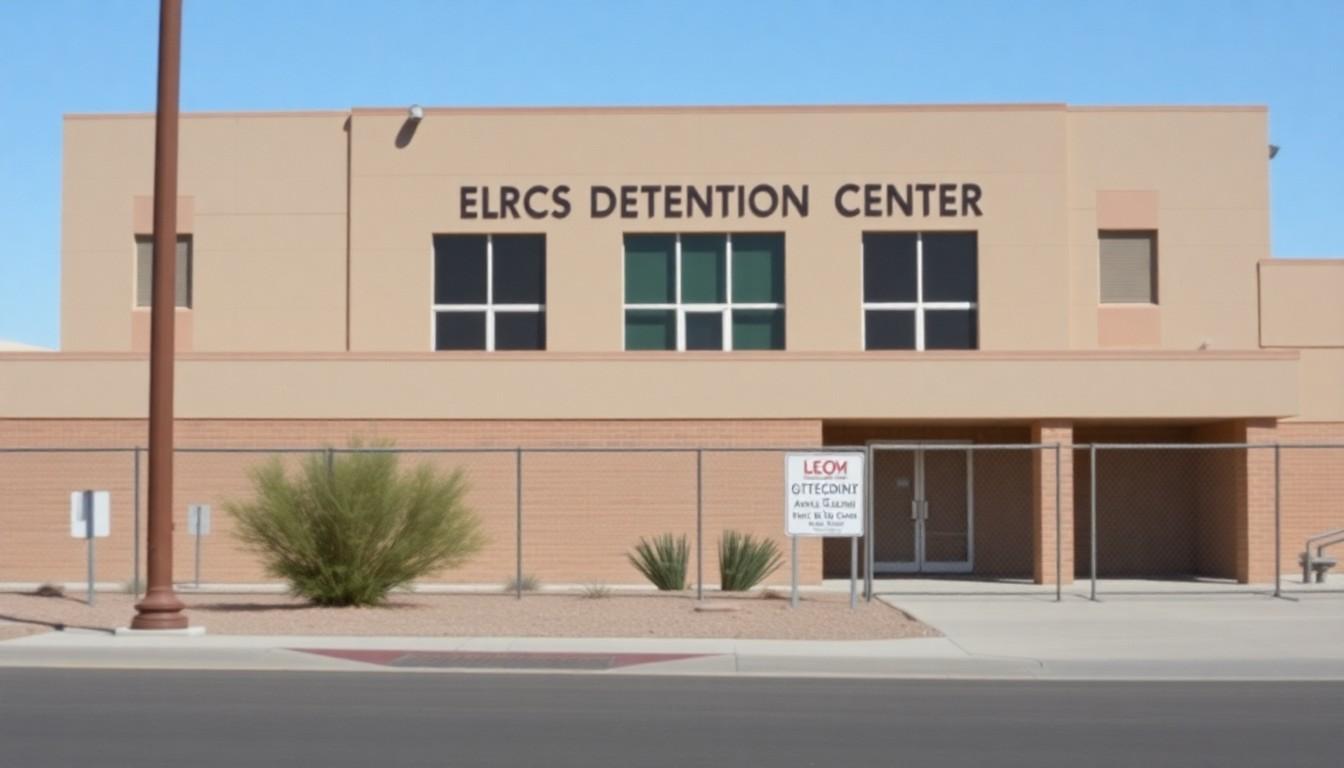
Shoppers are turning to clear, practical information: if you or someone you love is an LGBTQ+ immigrant detained by ICE, know your rights, the common risks and where to get help , this matters because detention can worsen already-dire threats to safety and wellbeing.
Essential Takeaways
- High detention numbers: Over 60,000 people were reported in US immigration detention as of April 2026, with a large share having no criminal record.
- Widespread abuse reports: Independent surveys and reports document homophobic, transphobic and racist harassment inside facilities, plus sexual harassment and assaults.
- Common facility issues: Detainees describe overcrowding, cold holding rooms, delayed processing and poor food quality , all of which worsen stress and health risks.
- Practical steps: Keep copies of ID and legal papers outside the system, document abuse when safe, and contact local LGBTQ-friendly legal aid and elected offices.
- Emotional reality: Survivors say the trauma lingers; community support and advocacy make a measurable difference.
Why this matters now: detention numbers, policies and who's most affected
The scale of immigration detention has surged in recent years, and that matters beyond the statistics because it concentrates people already fleeing persecution into a system that can be hostile. According to reporting, tens of thousands were held in detention by spring 2026, many without criminal records, which changes the frame from "criminal justice" to "immigration enforcement." That shift helps explain why advocates are warning about the increased risk for marginalised groups, including LGBTQ+ people who are targeted both before and during detention.
Context helps you act. If someone you know is detained, assume processing and transfers are likely, and that legal documents may not be immediately returned. Reach out to legal services and your local congressional office early , those channels can push for document retrieval and better oversight.
What LGBTQ+ detainees report , harassment, misclassification and danger
Firsthand accounts from survivors detail a catalogue of abuses: verbal slurs, denial of respectful pronouns, forced use of facilities that don’t match gender identity and sexualised harassment. Independent surveys by immigrant-justice groups found that most LGBTQ+ respondents reported verbal and non-verbal abuse, and a substantial minority reported sexual harassment or assault linked to their identity.
That pattern isn’t isolated. Reports from civil-society groups and media outlets show systemic problems, so if you're helping someone detained, document incidents immediately and file grievances where possible. Keep copies and timestamps , those records often become crucial evidence.
Practical steps to protect someone detained , paperwork, legal help and advocacy
Start with the basics: make sure the detainee’s family or sponsor outside has copies of birth certificates, passports, medical records and any evidence of persecution. If those documents are retained by ICE, flag it to a lawyer and contact your representative’s constituent services; elected offices can sometimes help expedite return of critical papers.
Seek legal help from organisations experienced with LGBTQ+ asylum claims and immigration detention. Ask for counsel that understands gender identity and sexual orientation claims, and request gender-appropriate housing and medical care in writing. If there’s immediate risk, request protective or special-case review and press for transfers to facilities with known policies for trans and queer detainees.
How to respond to grievances and facility officials , be strategic, stay safe
Filing internal grievances is a common step, but responses can be slow and unsatisfactory. Document each grievance, note interlocutors’ names and ask for follow-up in writing. If a guard or officer retaliates, escalate the complaint to outside legal counsel and advocacy groups, and log everything with dates and witnesses.
At the same time, protect mental health. Detention environments are designed to disempower , small acts like keeping contact with sympathetic advocates and accessing available medical and mental-health services can reduce harm. If moving a detainee to safety requires public pressure, coordinated outreach to local media, NGOs and elected officials often helps.
Bigger picture: private contracts, politics and what to watch next
Many detention centres are run by private contractors whose revenue depends on government contracts, a fact that shapes facility conditions and oversight. Political shifts and executive actions can alter the availability of asylum pathways and border policies, which directly affect who is detained and for how long.
Keeping an eye on policy news and data releases matters. Follow reliable outlets that track detention populations and enforcement patterns, and support organisations pushing for transparency and independent inspections. Advocacy at the policy level translates into safer conditions in the long run.
It's a small change that can make every case safer , start by collecting paperwork, finding a lawyer who understands LGBTQ+ asylum claims, and documenting everything.
Source Reference Map
Story idea inspired by: [1]
Sources by paragraph: