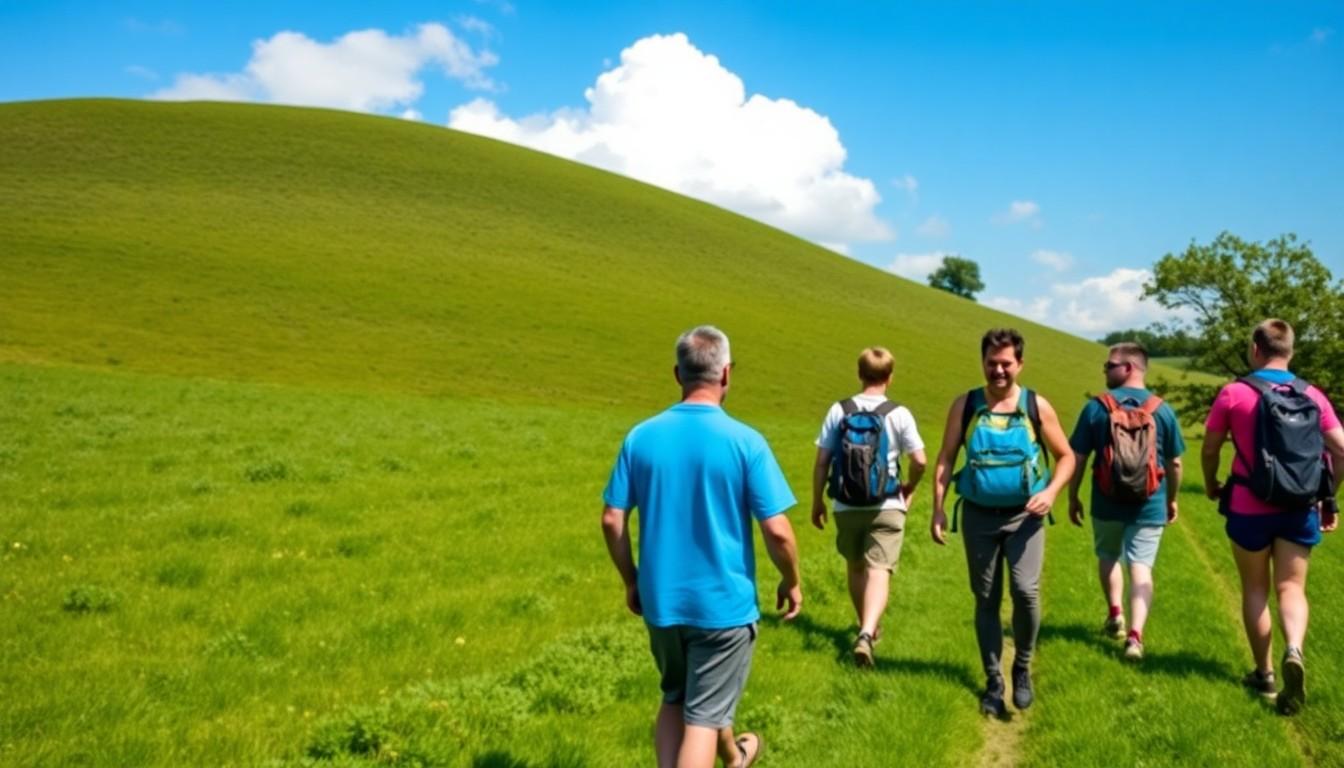
Spot a trend: walkers are choosing queer-led hikes to find community, calm and confidence. From Merseyside coast paths to local forest trails, these groups offer low-pressure socialising, mental-health benefits and a way to reclaim rural space that’s felt off-limits for too long.
Essential takeaways
- Community boost: Queer hiking groups create visible, welcoming spaces so members can feel safe and seen on trails.
- Low-pressure socialising: Walking together lets conversations flow naturally, good for introverts and those easing back into group life.
- Health benefit: Gentle exercise in nature supports mental and physical wellbeing; therapists sometimes recommend group walks.
- Practical comfort: Groups can provide practical protections, knowing leaders, company on remote stretches, and fewer bathroom anxieties.
- Accessible vibes: Members report flexible participation, join for socialising or tune out with headphones and still feel supported.
Why queer-led hikes are more than a walk in the park
There’s something quietly powerful about turning up to a path and knowing you’re not the only queer person there, and that comfort has a texture: the easy laugh, the relaxed pronoun sharing, the lack of clique pressure. According to reporting from Traveller, Merseyside’s queer hikers describe exactly that, routes along coastal scapes where conversation ebbs and flows like the tide, and everyone can find their pace. That reassuring background hum matters when the countryside has long felt like a place you needed to escape from, rather than belong to.
Reclaiming rural space , a practical, hopeful movement
Organisers and hikers often frame these walks as a small act of reclamation. Cooke, a Merseyside co‑organiser, puts it plainly: queer people shouldn’t concede the countryside. The point isn’t confrontation, it’s presence: showing up on common routes, sharing simple pleasures like mushroom spotting, and normalising queer visibility outdoors. That perspective makes these groups feel both political and pastoral, gentle activism wrapped in fresh air.
Mental health and gentle exercise: why therapists sometimes suggest group hikes
Walking in a supportive group combines low-impact exercise with social contact, and that mix can be therapeutic. On the Merseyside walks, at least one participant joined after a therapist’s recommendation, and others describe the outings as an emotional resource. For many, the rhythm of walking reduces social anxiety, there’s no pressure to face someone across a table, and the sensory lift of green spaces really helps. If you’re considering it, tell your therapist you want a nature-based social activity; they may well endorse it.
Practical tips for joining your first queer hike
Start small: pick a shorter route and check the event description for pace and terrain so you can match your fitness. Bring the usual trail kit, water, layers, sun protection, and a small first-aid kit if you like. Consider accessibility: ask organisers about route gradients and meeting points. If bathrooms are a concern, plan stops at known facilities or check whether the group will pause at cafés. And don’t worry about arriving solo: walkers often make fast friends, and some people keep headphones on for comfort while still enjoying company.
How these groups fit into the wider outdoors scene
Queer hiking groups sit alongside a wider movement of community-based outdoor activities, forest‑led health programmes, cycling clubs supporting asylum seekers, and mental-wellbeing ventures that use nature as a tool. They share a common thread: harnessing the outdoors to build connection and resilience. That crossover means you’ll often find friendly collaborations or cross-posted events if you look at local community listings or activity platforms.
Looking ahead: normalising queer presence on the trails
As more people join and talk about the benefits, physical, social and emotional, these walks will feel less like niche events and more like a normal part of outdoor culture. That matters for individuals who’ve long hesitated to go walking alone, and for communities learning to see themselves reflected on the landscape. Expect routes to diversify, from city-park amblers to longer coastal and forest treks, and for organisers to keep balancing visibility with safety.
It’s a small change that can make every walk feel a little safer and a lot more joyful.
Source Reference Map
Story idea inspired by: [1]
Sources by paragraph: