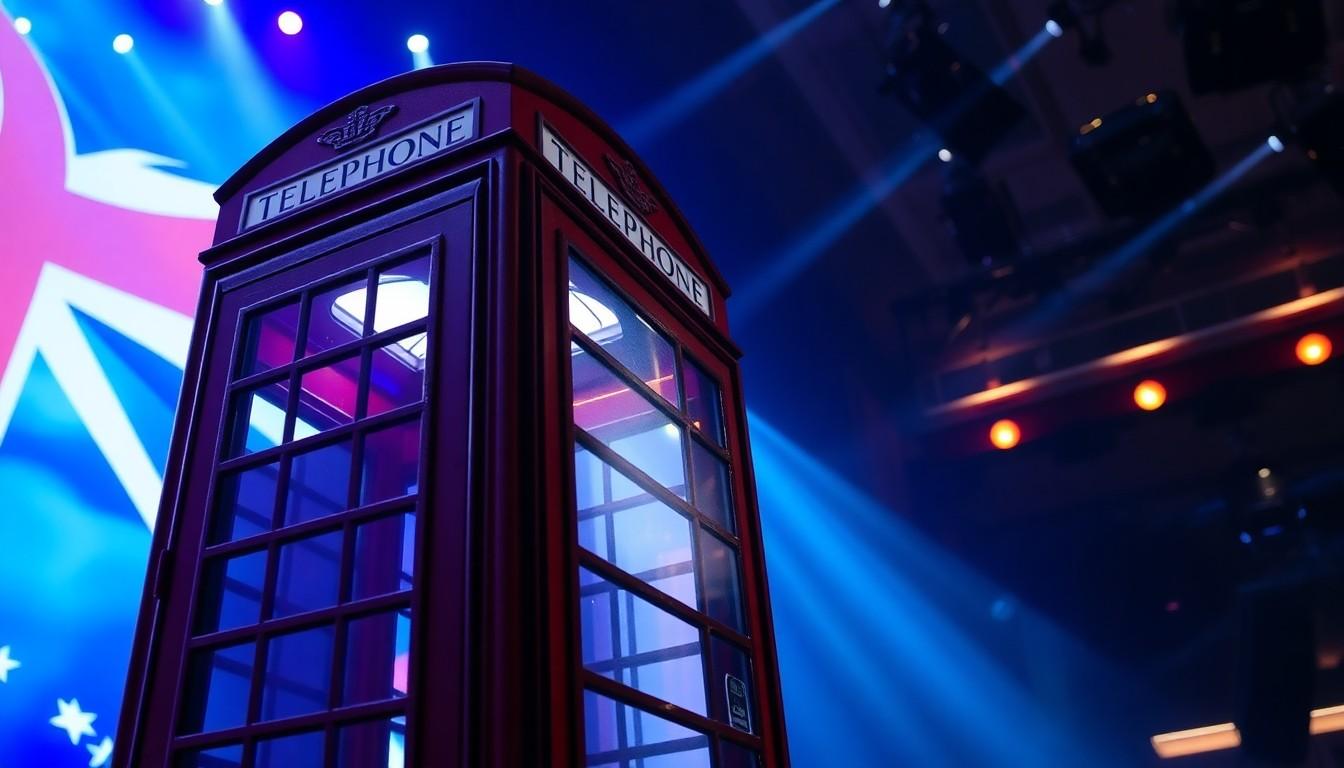
Celebrate a slice of Eurovision history this Pride month as Eurovision Ireland highlights David Ducasse, the openly gay member of Scooch who helped take the UK to the 2007 contest with the cheeky pop number “Flying the Flag (For You)”. It’s a reminder that camp performance, identity and fandom make Eurovision feel like a proper party.
Essential takeaways
- Who: David Ducasse was a member of Scooch, the UK act at Eurovision 2007.
- Song: “Flying the Flag (For You)” finished 22nd with 19 points; it’s big, brassy and very camp.
- Look and feel: The performance leaned into airline-themed choreography and costume, giving a theatrical, playful vibe.
- Why it matters: Scooch’s entry shows how identity and showmanship are central to Eurovision’s fan culture.
- Fan note: The performance is easy to find online and still sparks conversation among Eurovision communities.
A colourful slice of 2007 that still sparkles
Scooch’s “Flying the Flag (For You)” landed in the 2007 final with full-on, theatrical energy and a wink that Eurovision audiences love. The staging felt bright and lively, packed with airline uniforms, cheeky gestures and a chorus that refused to be subtle. Fans remember the performance for its unapologetic camp and big hooks , it’s the kind of number that plays well at parties and Pride events, and still puts smiles on faces.
According to Eurovision archives and fan records, the song finished 22nd, taking 19 points on the night. That ranking didn’t stop it from becoming a memorable part of the year’s line-up, showing that chart position isn’t everything when a song delivers a show. Many followers of the contest now treat entries like Scooch’s as cultural touchstones, worth revisiting for their spectacle and sheer fun.
David Ducasse: visibility wrapped in sequins
David Ducasse, who is openly gay, was part of the Scooch line-up and that visibility mattered to viewers who were looking for queer representation on a big stage. Eurovision has long been a safe space where LGBTQ+ performers can lean into camp and identity, and Ducasse’s presence contributed to that tradition. For many fans, spotting performers who’re open about their sexuality makes the contest feel inclusive and celebratory.
Being visible on a widely watched European stage in the mid-2000s was still significant, and communities online often reference acts like Scooch when discussing the contest’s role in normalising queer performers. It’s a reminder that entertainment and representation often move together , sometimes quietly, sometimes in a glittery rush.
The song itself: novelty, nostalgia and singalong hooks
“Flying the Flag (For You)” is part novelty, part pop anthem, and entirely built for crowd reaction. The airline motif and chorus give it a theatrical lift that’s deliberately over the top , exactly the sort of material that Eurovision fans either adore or love to debate. If you enjoy a catchy chorus that begs for a singalong, this is one to queue up.
Fan pages and Eurovision databases keep the performance accessible, and watching it now brings a sense of nostalgia. For collectors of Eurovision oddities or anyone compiling a Pride playlist, it’s an ideal inclusion: bright, comedic and unmistakably of its era. Practical tip , watch with friends and a fizzy drink, because it’s designed for shared enjoyment.
What this says about Eurovision and Pride culture
Scooch’s entry is a good example of how the contest bridges pop confection and social meaning. Eurovision has become a place where bold performance and queer visibility meet, and acts like Scooch underscore how fans prize flamboyance alongside authenticity. The broader Eurovision community continues to celebrate diversity through music, and entries from past decades are often reappraised through a Pride lens.
Industry and fan resources track these songs closely, and you’ll find plenty of discussion about how performance style, publicity and identity influenced reception. Whether you’re into the music, the fashion or the fan debates, there’s value in revisiting these moments to see how they shaped expectations for later acts.
How to enjoy Scooch today (and why you might)
If you want to rewatch the 2007 performance, official clips and fan uploads are easy to find on video platforms and archive sites. Treat it as a fun historical artefact: note the staging choices, laugh at the camp moments, and appreciate the role performers like David Ducasse played in making Eurovision feel inclusive. For Pride playlists, slot it between a couple of contemporary dance tracks to keep the energy up.
And if you’re discussing it online, remember the Eurovision community’s call for respectful commentary , the joy of the contest is in celebrating difference, not tearing it down.
It’s a small, sparkly reminder that performance, identity and a sense of fun keep Eurovision alive.
Source Reference Map
Story idea inspired by: [1]
Sources by paragraph: