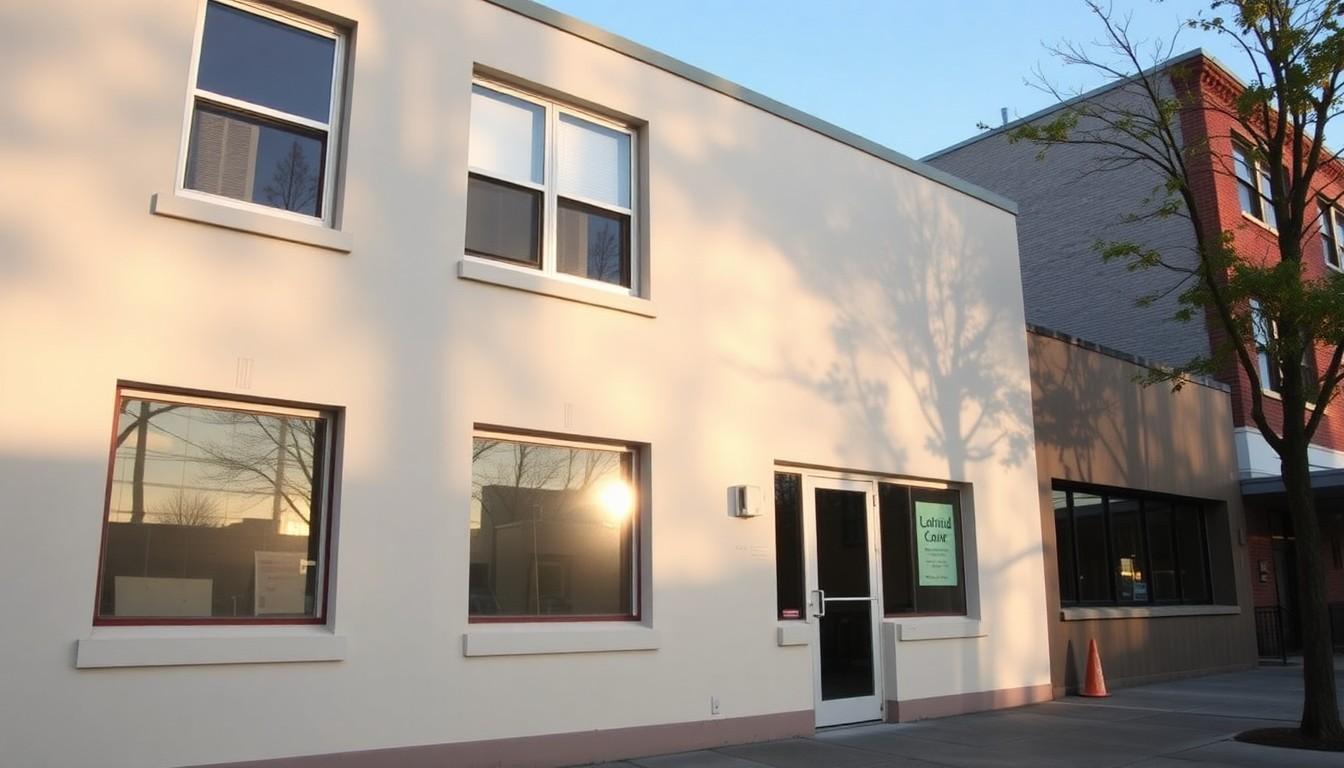
Shoppers are choosing purpose as brands and community groups team up for Pride , in Oceanside, a small centre’s steady work shows why local support matters. This piece follows Dr. Bronner’s limited-edition Pride soap and a conversation with Myshell Thomas of the North County LGBTQ Resource Center about grassroots care, gender advocacy, and how you can help.
Essential Takeaways
- Long-term allyship: Dr. Bronner’s has supported LGBTQ+ groups for over a decade and is launching a limited-edition Pride soap in June–July 2026 to spotlight rights and expression.
- Local lifeline: The North County LGBTQ Resource Center in Oceanside opened in 2011 and offers crisis support, youth mentorship and community events , friendly, visible and practical.
- Gender advocacy focus: The centre is expanding its Gender Advocacy Project to better serve trans and gender-diverse people, aiming to scale services as demand grows.
- Ways to help: Volunteer time, donations, and amplifying local work are high-impact, practical ways readers can support community resilience.
- Emotional impact: Pride is described as healing and validating, giving activists a tangible sense that their work matters.
Why a limited-edition soap matters more than it sounds
Brands often use Pride campaigns as a marketing moment, but this one has a clear thread: funding and visibility for local services. Dr. Bronner’s is remixing a classic label into a cherry-blossom-scented Pride soap for June and July 2026, and the limited run is meant to raise awareness and resources for community partners. There’s a tactile, almost comforting logic to it , something as everyday as soap becomes a tiny act of solidarity. According to the company’s campaign materials, the aim is to celebrate the community while spotlighting the urgent fight to protect LGBTQ+ rights.
That approach helps connect national attention to neighbourhood realities. When shoppers pick up a themed product, they’re not just buying a scent, they’re signalling support for front-line services that often run on shoestring budgets. For readers, it’s a reminder that conscious purchases can be small, meaningful gestures when paired with direct local giving.
Meet the centre: grassroots services with a steady, quiet presence
The North County LGBTQ Resource Center began in Oceanside in 2011 and has grown from a modest vision into a regional point of care and connection. The organisation provides crisis support, youth mentorship, community-building events and a sense of belonging for thousands across North County San Diego. Their website and community listings show a roster of practical programmes, including housing navigation and outreach that anchor people in times of need.
What stands out is the everydayness of the work. Unlike headline-grabbing court fights, much of this labour is relational: one-on-one help changing legal documents, peer support for young people, or an event that lets someone finally feel seen. That slow, consistent presence is what keeps communities resilient when national debates get heated.
The Gender Advocacy Project: why expansion is urgent
Myshell Thomas, the centre’s Gender Advocacy Project Coordinator, explains that recent political attacks have made specialised services essential. The project supports trans and gender-diverse people with name and gender marker changes, legal navigation, and advocacy. With demand increasing, the centre plans to scale the project , but resources are the constraint.
This matters because gender-affirming services require staff time, legal know-how, and safe spaces. If you’re wondering how to prioritise support, look at services that reduce daily barriers: help with IDs, access to medical referrals, and housing stability programmes. Those practical wins change people’s lives immediately and lower the risk of harm.
Pride as healing and collective fuel
For many participants, Pride is less a parade and more a moment of emotional repair. Myshell recalls a first Pride in San Diego that felt like visibility turned into validation, a turning point that animated a life of activism. That personal testimony underlines a wider truth: Pride provides both public protest and private healing, and it recharges organisers and volunteers alike.
If you’re unsure why public celebrations still matter, consider this: Pride offers a rare space where shame is traded for welcome, and that shift ripples out into communities. For volunteers and supporters, showing up at events, helping run stalls, or simply amplifying messaging online sustains the oxygen small groups need.
How to support local work without grand gestures
The centre’s most concrete needs are the kinds of everyday contributions many of us can make. Donations are obvious and helpful, but so are time and local advocacy. Volunteers keep programmes running, and grassroots funding covers gaps traditional grants don’t. Myshell recommends finding what you can sustain: an hour a week mentoring, a one-off donation, or sharing resources with friends and neighbours.
Beyond giving money or time, spread the word. Share event listings, refer someone who needs services, or ask local shops to host collection drives. Even buying a branded Pride soap and then donating directly to a nearby centre multiplies impact. It’s about connection: the community grows when people act together in small, consistent ways.
Looking ahead: resilience built locally
National policy debates will continue to dominate headlines, but the steady work in places like Oceanside is what keeps people safe today. The centre plans to listen, adapt and expand services based on community needs, with an emphasis on gender advocacy and outreach. That kind of flexibility is the hallmark of effective local charities , responsive, rooted, and human-centred.
If brands amplify that work, and if individuals chip in where they can, the combination helps shield vulnerable people from both immediate harm and the slow erosion of rights. It’s activism that meets people where they are, and it’s quietly world-changing.
It’s a small change that can make every Pride and every day safer.
Source Reference Map
Story idea inspired by: [1]
Sources by paragraph: