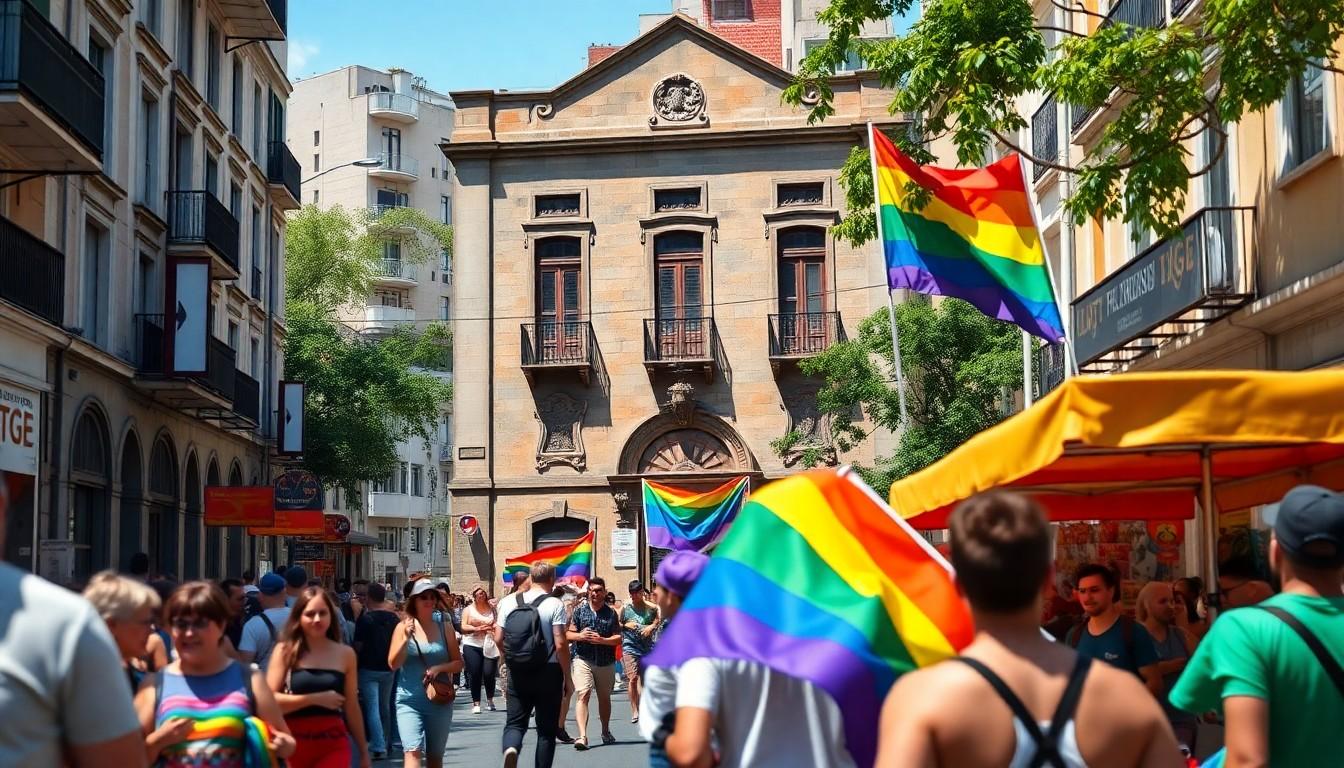
Celebrate: June has become a vivid, global moment when communities, cities and culture converge to honour LGBTQIAPN+ history, visibility and ongoing rights campaigns , here's why Pride matters, how it began, and practical ways to take part this year.
Essential Takeaways
- Historic origin: Pride in June traces back to the 1969 Stonewall riots, a turning point in modern LGBTQIAPN+ activism.
- Global turnout: Major Pride parades and events now draw millions, from São Paulo to Miami and Wilton Manors, bringing a festive, communal energy.
- Cultural impact: Music, film and fashion remain powerful tools for representation and social change.
- Practical tips: Choose events that match your comfort level, support local organisations, and look for accessible, family-friendly programming.
- Ongoing work: Legal wins exist, but many communities still face discrimination , Pride doubles as celebration and political reminder.
Why Pride is Held in June , and it still matters
June is the month most commonly chosen for Pride because it marks the Stonewall uprising in late June 1969, a moment that jolted LGBTQIAPN+ resistance into public view. The day-to-day texture of those protests , fear, courage, anger, solidarity , still lingers in how Pride looks and feels today: loud, colourful and sometimes tender. According to Britannica, organisers picked June to honour that legacy, blending remembrance with celebration. For newcomers, that history explains why Pride parades can feel both like a party and a protest.
Stonewall’s story: how a bar in New York changed the world
The Stonewall Inn in Greenwich Village is more than a landmark; it's a symbol of refusal against police raids and systemic harassment. Britannica’s deep dives into the Stonewall riots and the Inn itself show how spontaneous resistance fed into organised activism across the United States and beyond. Over the decades, that single flashpoint has been quoted, debated and commemorated , but it’s also inspired grassroots efforts that insist Pride should be about rights, not only revelry. Visiting a museum exhibit or reading first-hand accounts adds texture to the slogans you’ll see on banners.
Pride parades today: massive, local, and wildly varied
From São Paulo’s enormous parade to neighbourhood celebrations in Fort Lauderdale and Miami, Pride events now range from huge metropolitan demonstrations to intimate community gatherings. The British Council is among organisations promoting inclusive programming like São Paulo Pride Parade events, while Axios reports on local Pride activities in Florida that spotlight family-oriented, accessible festivities. When you pick an event, think about the scale and tone you want , a stadium-sized march will feel different from a small arts festival with drag performances and panels.
Culture as activism: music, film and fashion still lead
The arts have long amplified LGBTQIAPN+ voices, and that’s just intensified since Stonewall. Music and film create empathy, theatre and visual art push boundaries, and fashion gives identity a visible, celebrated form. Cultural programmes during Pride often include screenings, exhibitions and live music that educate as well as entertain. If you want to support creators directly, buy a zine, attend a queer film screening or book a ticket to a cabaret; these actions put funds into community talent and keep representation authentic.
How to take part safely and meaningfully this June
You don’t need to march to be involved. Volunteer with local LGBTQIAPN+ charities, donate to shelter and legal-aid funds, or look for educational talks that boost your understanding. If you do go to a public event, plan logistics: check accessibility information, bring water, and pick a meeting point if you’re in a crowd. Families with children should scout family-friendly programming in advance; many cities now offer daytime events designed for all ages. And when you buy merch, consider local vendors or organisations rather than mass-produced items , it keeps money close to the movement.
Looking ahead: celebration with a purpose
Pride continues to balance joy and urgency. Legal progress has been swift in places, but discrimination and violence remain real for many people, which is why Pride still serves as a platform for policy demands and social change. Expect this June to mix dazzling parades with forums on rights, safety and inclusion. It’s a month to celebrate, sure, but also to reflect on how each one of us can make society more just.
It's a small change that can make every Pride safer, louder and more meaningful.
Source Reference Map
Story idea inspired by: [1]
Sources by paragraph: