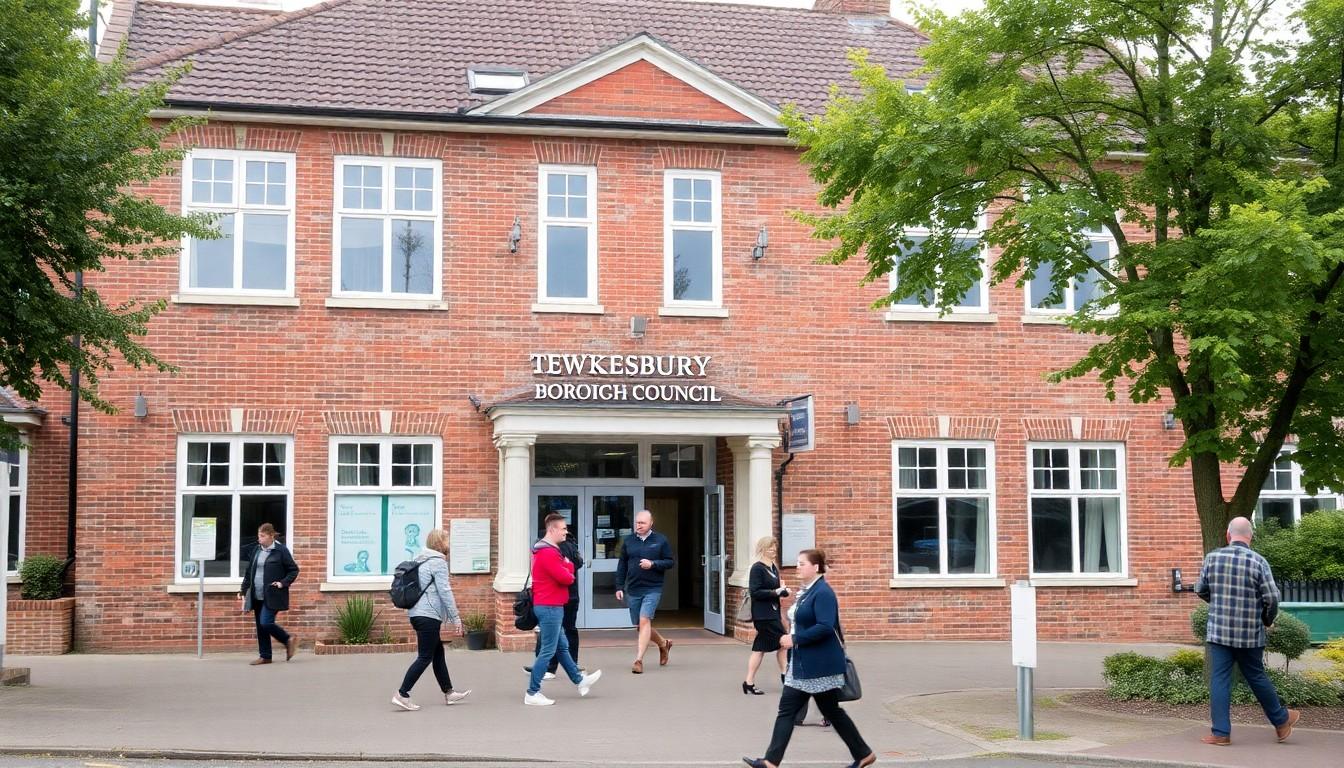
Shoppers and residents are noticing a fresh row over Pride flags and local politics, as Tewkesbury’s council leader defends flying the LGBT+ flag while accusing some Reform UK councillors of carrying on homophobic behaviour from schoolyards , a spat that matters because it reflects wider local-government battles over visibility and values.
Essential Takeaways
- Council stance: Tewkesbury Borough Council will continue flying the Pride flag as a public show of support, signalling a clear local position.
- Accusation made: The council leader said some who were homophobic as children “carried it on” and went into politics with Reform UK, prompting backlash.
- Reform UK response: The party and its sole local councillor in Tewkesbury reject the suggestion, calling it a political attack and stressing inclusivity.
- Wider pattern: Similar disputes have played out elsewhere, with Reform-led councils involved in flag and book controversies and individual members facing suspension over past social posts.
- Practical note: For residents, this is less about flags and more about which councils prioritise visibility, inclusion and community cohesion.
What happened in Tewkesbury and why it feels personal
The spark was a short online video from Liberal Democrat Richard Stanley explaining why Tewkesbury will keep its Pride flag flying, and why that matters to him personally. He described having suffered homophobic abuse as a child and suggested some people never outgrow that attitude before entering local politics. That emotional register , a leader linking a civic symbol to lived experience , gives the row a quietly human edge.
Reform UK pushed back hard, saying the remarks unfairly tarred its councillors and singled out Graham Bocking, the party’s only representative on the borough council. He’s publicly insisted he’s never been homophobic and that his record is one of serving everyone equally. The clash is both local and symbolic: a flag on a lamppost, and the question of whether local politics should be a stage for national culture wars.
This isn’t just one town , look at similar disputes elsewhere
Across the country, Reform-led councils and some of their members have been involved in controversies about flags, national symbols and cultural content. Reports show councils have removed or restricted flags and even raised concerns about public displays for safety or policy reasons, while some councillors have faced suspensions over past social media posts alleging racist or Islamophobic content.
Those episodes change how residents read a headline: a decision about a flag can be interpreted as part of a wider pattern. For anyone following local government, it’s useful to spot whether an action springs from local practicalities, principled policy, or a national political narrative.
Why flying a Pride flag still matters to people on the ground
Flags are shorthand , compact, visible statements about who a council feels it represents. For many residents, the Pride flag signals safety, inclusion and a willingness to stand against bullying. For others it’s an unwelcome politicisation of civic space. When a council leader frames the decision through personal memory of abuse, it adds emotional weight and makes the symbol feel less decorative and more necessary to some.
If you’re choosing where to focus your attention locally, notice the difference between symbolic gestures and policy delivery. Flags signal values; they don’t replace social services, but they set tone. And for LGBT+ residents, visibility often matters in everyday encounters, from school to the high street.
How to read political claims and counterclaims locally
When a politician links national party behaviour to local councillors, ask: is the evidence local or national? Broad trends can exist, yet individual members may differ. Reform UK’s statement emphasised inclusivity and defended its councillor’s record, while the Lib Dem leader pointed to a pattern of councils withdrawing flags elsewhere. Both sides are using narrative to persuade voters.
For residents wanting clarity, check meeting minutes, local press reports and councillors’ voting records rather than social posts alone. Attend a meeting or ask for a local statement if you want to know whether decisions are practical (safety, costs) or ideological.
Where this likely goes next , and what it means for everyday voters
Expect more local debates that echo national culture-war themes, because councils are visible battlegrounds for identity and community norms. That’s not inherently bad: transparency and debate are good for democracy. But it can feel exhausting if national disputes crowd out potholes, bin collection or school issues.
If you care about local cohesion, look for councillors who combine clear values with practical delivery. And if you’re a voter, small acts matter , a question at a council meeting, a letter to a councillor, or turning up for a local event can shift the tone far more than an online row.
It's a small choice , whether to treat a flag as a symbol or a provocation , that can change how welcome people feel in their town.
Source Reference Map
Story idea inspired by: [1]
Sources by paragraph: