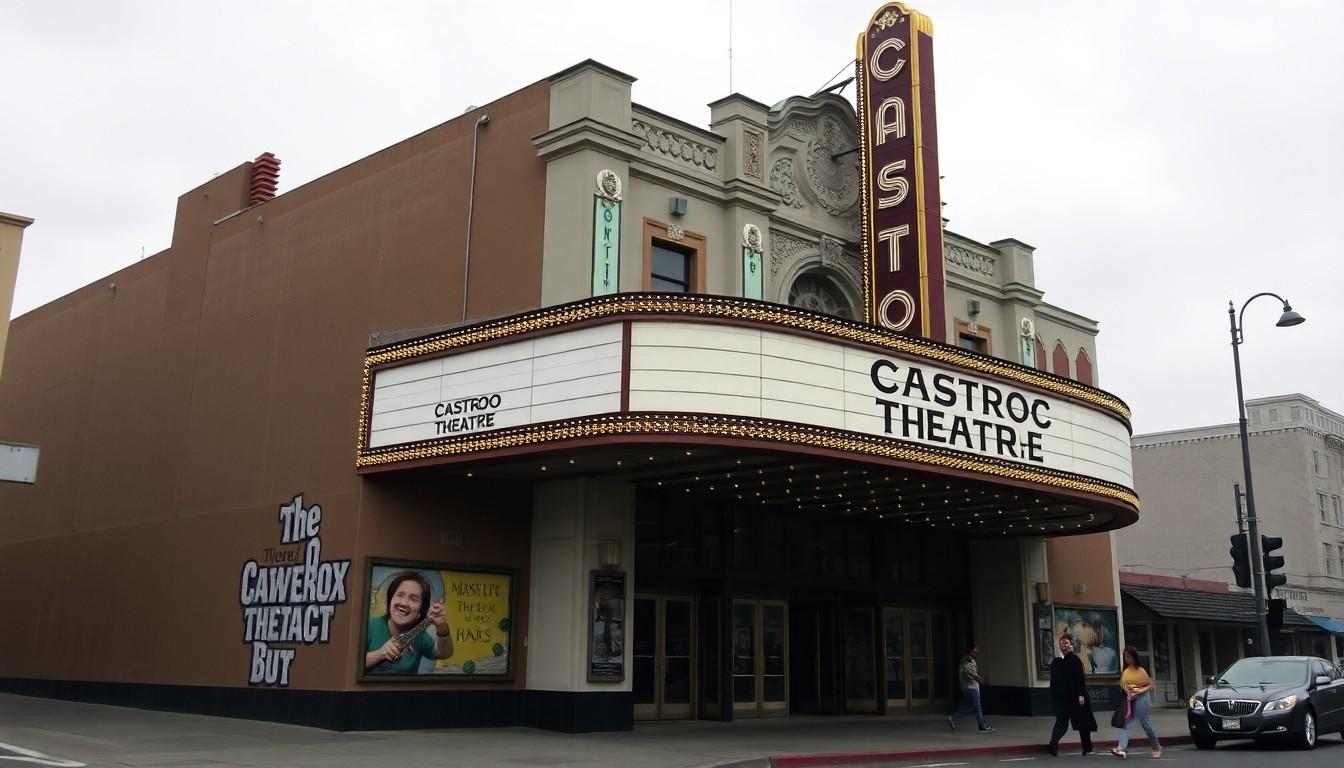
Shoppers of cinema are flocking to Frameline50 as the festival celebrates 50 years of queer film, screening classics and new work that matter now , from Cruising and Paris Is Burning to heartfelt documentaries and radical fiction, all chosen to reflect queer futures, urgent politics, and joyous inheritance.
Essential Takeaways
- Frameline50 celebration: Fifty years of queer cinema mixed with restorations, cult favourites, and new global films, curated to show both history and future.
- Dual impulse: Programmers aim to imagine queer futures while documenting present-day struggles and victories.
- Standout documentaries: The Dads and The Hockey Player put human faces on political debates and sports culture, both emotionally direct and accessible.
- Art-house variety: Films range from intimate dramas like In a Whisper to experimental pieces such as Drunken Noodles, offering diverse tones and textures.
- Community focus: Many programmes spotlight family, identity, survival, and intergenerational ties with a hopeful streak despite political pressures.
Why Frameline50 Feels Both Joyful and Urgent
Frameline’s 50th edition isn’t a dusty museum show; it’s a living conversation, loud, colourful and occasionally very angry. Allegra Madsen, Frameline’s executive director, frames the lineup as imagining futures we don’t yet have words for while bearing witness to the revolution unfolding now. That’s a neat way to explain why you’ll sit next to someone wiping tears at a world premiere and laughing at a restored midnight classic in the same week.
Festival programmers clearly wanted joy to puncture the seriousness , short breaths of solidarity between films that document censorship, anti-trans legislation, and cultural erasure. Expect that emotional swing; it’s part of the point.
Documentaries that put people , not headlines , front and centre
If you want a film that humanises headlines, start with The Dads. It follows four fathers of trans and non-binary children navigating courts, threats, and the fear that comes with rising anti-trans legislation. It’s intimate, sometimes raw, and a reminder that policy ripples into kitchen tables.
Similarly, The Hockey Player turns sports reportage into personal story. Luke Prokop’s coming out as a pro hockey player reads like an antidote to locker-room stereotypes , a quietly triumphant film that’s as much about courage as it is about whether sports culture can change. Both films will stick with you because they translate statistics into faces, voices and family rooms.
Restorations and cult picks: why classics still matter
Frameline50 brings back films that defined queer cinema, some controversial then and complex now. Cruising, for instance, remains provocative: it’s being screened alongside new analysis that teases apart the film’s fraught production, the protests it provoked, and the real-life crimes that inspired it. These screenings are less nostalgia than a chance to reassess how representation can wound or heal.
And the festival isn’t shy about joy: Paris Is Burning, Desert Hearts, Bound and other landmarks are on the bill , films that changed aesthetics, language and possibility for generations. Seeing them in a theatre, with a community, feels different than streaming solo at home.
Global queer cinema: intimate, experimental, and regionally specific
Frameline’s slate stretches beyond North America. In a Whisper explores queer life across Paris and Tunisia with a restrained, elegiac touch, while Tiger illuminates the tensions of closeted life in Japan, moving between Tokyo’s neon edges and rural family obligations. Strange River, Enzo and La Belle Annee give you coming-of-age and autobiographical perspectives from Europe that favour mood, ambiguity and visual lyricism over tidy resolutions.
Also expect experiments like Drunken Noodles, which mixes media and memory into a sensual, sometimes disorienting trip. These films remind you that queer stories aren’t uniform; they’re shaped by culture, law and language.
How to choose what to see , a few practical tips
Pick a balance. Start with one documentary and one narrative film per visit to vary emotional registers. If you care about activism and outreach, book The Dads or Fire Within; if you want formal daring, try Drunken Noodles or Strange River. Look for Q&As and big nights on the Frameline site , post-screening conversations can deepen what you’ve just watched and are usually packed with insight.
Seats fill fast for retrospectives and big nights, so plan ahead and arrive early for vault restorations. Bring friends who’ll argue with you afterwards , these films are made for post-screening coffee and debate.
Looking ahead: what Frameline50 leaves you with
There’s a throughline to this festival: inheritance. Frameline honours five decades of queer film and asks what the next generation will keep, change or explode. The programmers’ hope isn’t sentimental; it’s practical and defiant. In a moment of political rollback and cultural censorship, the festival insists storytelling still builds community and imagines alternatives.
It’s not only a celebration of what was, but an investment in what will be. Go see something that surprises you.
It's a small change that can make every screening feel like a shared act of witness.
Source Reference Map
Story idea inspired by: [1]
Sources by paragraph: