Dive into the stacks: readers and activists are rediscovering five post‑Stonewall queer magazines that recorded daily life, argument, grief, and joy , and remind us why the press mattered then and matters now. These surviving pages offer vivid voices, practical archives, and plenty of surprises for anyone curious about queer history.
Essential Takeaways
- Historic snapshots: These titles captured grassroots organising, nightlife, and culture in real time, often filling gaps left by mainstream media.
- Diverse perspectives: From trans and drag communities to lesbian separatists and Black queer writers, the magazines show a wide range of priorities and styles.
- Archive access: Many issues are preserved in online collections and public archives, making them easy to browse for research or pleasure.
- Emotional texture: Expect first‑person urgency , grief, celebration, outrage , and a tactile feel that digital feeds rarely match.
- Practical reading tip: Start with single‑theme issues or profiles to get a sense of voice before diving into whole runs.
Why these magazines matter: more than nostalgia
New readers often think history is a series of neat milestones, but these magazines prove otherwise; they’re full of the messy, everyday work of community building, and they smell a little of photocopy ink and late nights. According to archivists and historians, small queer periodicals documented protests, arrests, parties and policy in ways larger papers didn’t, so they’re invaluable for anyone trying to understand what activism felt like on the ground. If you want a sense of the texture of queer life in the 1970s, nothing beats paging through these originals.
Drag: a trans and drag community record
Drag launched on the eve of Stonewall and quickly became a lifeline for trans and drag communities who were often sidelined even within gay liberation circles. Lee Brewer and Bunny Eisenhower steered the magazine toward community reporting, cultural critique and practical resources, so each issue reads like a communal letter. Smithsonian commentary highlights its role in recording history as it happened, and collectors note that issues include everything from ballroom remembrances to outraged film rebuttals. If you’re choosing a starting point, look for feature issues with profiles and firsthand reports , they’re immediate, human and frequently surprising.
Sinister Wisdom: lesbian literature that still speaks
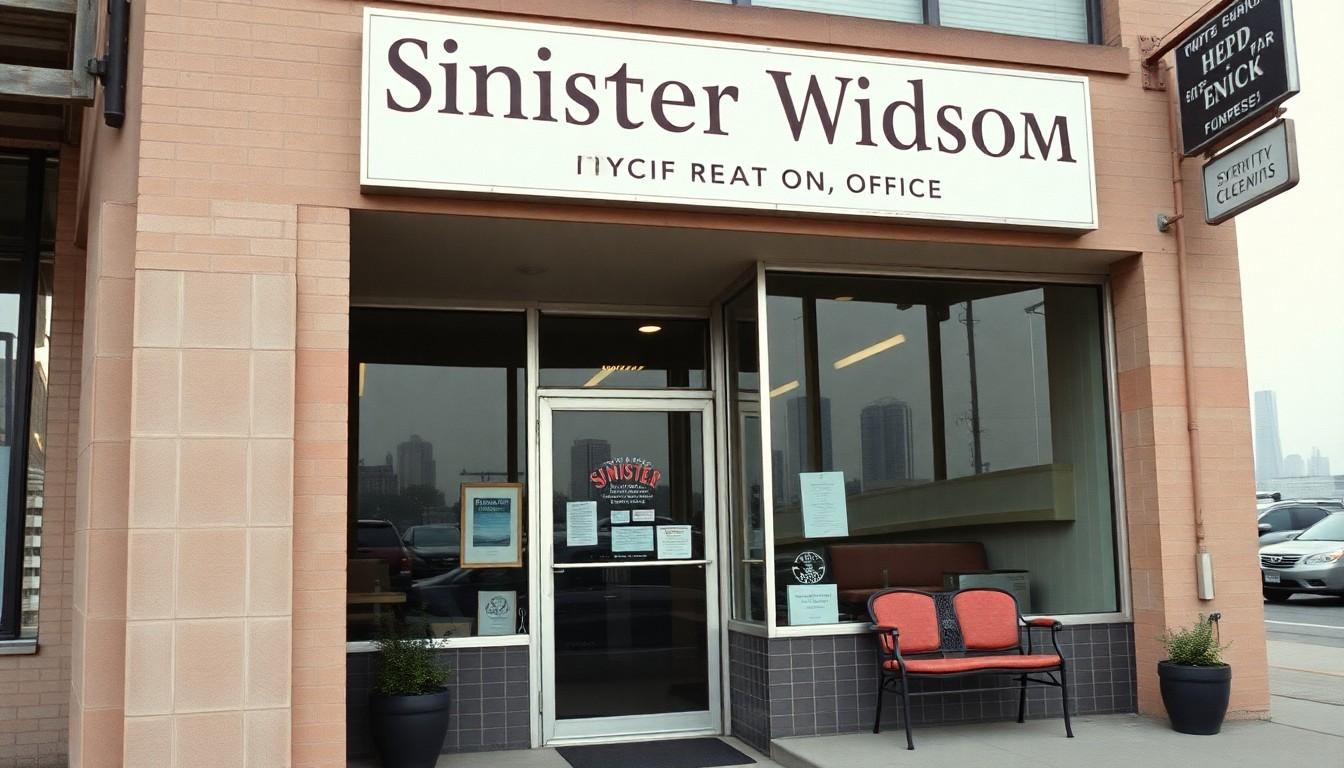
Sinister Wisdom began in the mid‑1970s and quickly became a home for poetry, essays and criticism by and for lesbians and queer women. Contributors across decades include major writers, and the magazine’s archives show how its editorial focus shifted with feminist debates and changing cultural priorities. The journal’s back catalog contains provocations on body politics and identity that anticipated later cultural collisions, so contemporary readers often find it eerily prescient. For newcomers, themed issues offer clean entry points: read one to feel the magazine’s tone before sinking into the full archive.
BLK: a Black queer voice confronting the epidemic
Although BLK’s first issue arrived a little later, in the late 1980s, its roots lie in earlier queer press traditions and it’s worth mentioning alongside 1970s titles for its radical documentation of Black queer life. Alan Bell used the platform to publish profiles, community news and intensive reporting on the AIDS crisis at a time when Black mainstream media largely refused to engage. Scholars and commentators credit BLK with creating a sympathetic record of love and loss that corrected powerful silences. Readers today will find its mixture of culture, mourning and activism both painful and profoundly necessary.
Michael’s Thing: culture, nightlife and everyday politics
Michael’s Thing ran for decades as a weekly culture guide and entertainment magazine out of New York, and its pages show how queer social life and politics rubbed up against each other on a weekly basis. Columns about nightlife sat next to essays on sensibility and politics, and the magazine made room for lesbian voices in regular features. Archivists praise its breadth: it wasn’t only about parties, but about how nightlife intersected with identity and community care. Dip into the “Girls About Town” columns or signature politics pieces to get a feel for how the city’s scene shaped broader queer conversation.
Dyke: blunt, diaristic, and fiercely independent
Dyke began as a project of lesbian separatists and it still reads like a private diary turned public manifesto , candid, sometimes angry, often funny. Early issues foregrounded working‑class and non‑academic voices, giving readers an immediate sense of the movement’s internal debates and everyday disputes. Online round‑ups point out that while you might not find essays by major canonical poets, you will find the texture of daily feminist argument and the kind of oral history that academic journals rarely capture. Approach it expecting grit and honesty; it’s a close, sometimes confrontational read that rewards patience.
How to read these magazines today , practical tips
If you’re browsing archives, start with single articles or themed issues so you don’t get overwhelmed by unfamiliar jargon and inside debates. Use library scans or Internet Archive entries to check publication dates and editorial notes; context matters when activism and language shifted quickly. If you’re researching a topic like drag culture, AIDS activism or lesbian separatism, try cross‑referencing with contemporary reporting from mainstream outlets to get both community perspective and wider social reaction. Finally, treat these issues as living documents: they were written to be read and debated, so share passages, discuss them with friends, and consider the continuities with today’s struggles.
It's a small historical detour that can change how you see the present , and it’s worth every page.
Source Reference Map
Story idea inspired by: [1]
Sources by paragraph: