Spotlighting this week’s headlines: from policy shifts affecting LGBTQ veterans to the passing of beloved critic Gene Shalit, these stories matter because they affect care, culture and international health funding , here’s what happened, why it matters, and what to watch next.
Essential Takeaways
- VA policy change: The Department of Veterans Affairs has ordered nationwide cuts to healthcare programmes aimed at LGBTQ veterans, affecting access and specialised services.
- Gene Shalit dies at 100: Longtime entertainment critic Gene Shalit, a familiar face and voice on US television, passed away, prompting warm tributes and viral clips.
- PrEP access falling: Global HIV prevention efforts have plunged after large aid cuts, with PrEP provision dropping roughly 38% between 2024 and 2025.
- Pride night controversy: Three San Francisco Giants pitchers drew sharp criticism for inappropriate behaviour at the team’s Pride Night, sparking wider debate about sports and inclusion.
- Sporting and political snapshots: Team USA opened the World Cup on home soil with a 4–1 win over Paraguay, while political shifts in the Senate and charged campaign rhetoric continue to make headlines.
VA orders cuts to LGBTQ veteran healthcare , what changed and why it matters
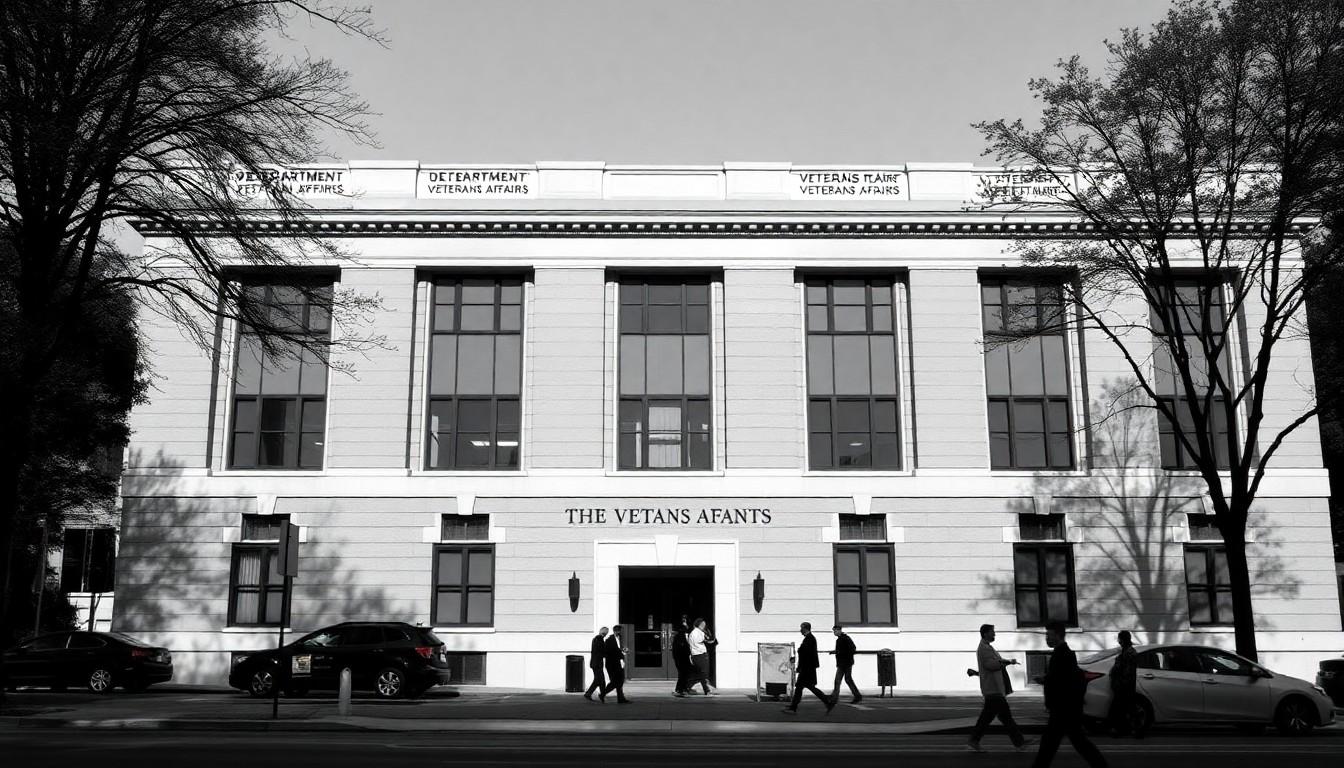
A federal directive from the Department of Veterans Affairs is now rolling out across VA facilities, ordering the elimination of several healthcare programmes designed specifically for LGBTQ veterans. For many who relied on specialised services, the change will feel immediate and personal, with clinics told to wind down or transform offerings.
The Advocate reports administrators framed the move as a policy realignment, but advocates warn it removes tailored supports that address unique health and mental-health needs. This isn’t just bureaucratic reshuffling , it affects real appointments, counsellors and culturally competent care. If you or a loved one uses VA services, check your local facility’s announcements and ask about how continuity of care will be preserved.
Expect pushback from advocacy groups and possibly legal challenges; meanwhile, state and community providers may see increased demand. Practically, veterans should keep records of care plans, seek referrals early, and explore non-VA clinics with LGBTQ-competent services if needed.
Gene Shalit’s long, warm run on TV: remembering a critic who made us smile
Longtime entertainment critic Gene Shalit died at 100, and the outpouring of memories underlines how singular his presence was on American TV. He had a cosy, avuncular delivery and a signature moustache that made film reviews feel like a chat with a witty relative.
NBC News highlights clips that capture his charm, including a moment where Carol Channing reduced him to tears with an anecdote , the sort of gentle, human exchange that defined TV’s golden crossovers of personality and performance. For anyone nostalgic about network-era TV, Shalit’s passing is a reminder of how critics once felt like household companions.
Tributes will run for days; film buffs and cultural historians will revisit his columns and segments. If you want to mark his memory, watch a few of his classic reviews or read his profiles to get a sense of how TV criticism used to shape mainstream taste.
Global HIV prevention flagged: PrEP access drops sharply after aid cuts
A UN-backed analysis reported a steep decline in global HIV prevention services after large aid reductions, with pre-exposure prophylaxis distribution down by about 38% between 2024 and 2025. The Washington Post frames this as a direct consequence of funding cuts and a worrying reversal in recent public-health gains.
Lower PrEP availability isn’t an abstract statistic; it raises the risk of new infections in communities that had been making progress. NGOs and public-health experts are calling for emergency funding, targeted programmes and stronger supply-chain strategies to limit the damage.
If you work in public health or support international programmes, now’s a critical moment to advocate for restored funding and for pragmatic steps like local procurement and education campaigns to keep prevention accessible.
Pride night backlash: baseball, accountability and the culture test
Outsports reports three San Francisco Giants pitchers faced swift criticism after incidents at the team’s Pride Night, actions that many saw as weaponising Pride symbolism against the LGBTQ community. The episode fed into wider tensions about sports culture, inclusion and how teams police player behaviour.
Teams increasingly stage Pride nights as part of inclusion efforts, so public missteps can damage trust quickly. Expect the Giants organisation to issue statements and perhaps discipline players; fans and sponsors will watch closely. For clubs planning community events, clear conduct expectations and proactive education are practical steps to avoid similar fallout.
Quick hits: sport and politics , Team USA, Cornyn, and campaign barbs
In sport, Axios reports Team USA beat Paraguay 4–1 in the World Cup’s opening on home soil, a bright moment for fans and a useful confidence builder for the squad. On the political front, the New York Times ran an in-depth interview with Senator John Cornyn, who warned the Senate faces a “bumpy ride” as new dynamics reshape the chamber.
Meanwhile, charged campaign rhetoric keeps surfacing: a Texas congressman’s remarks about a Democratic Senate candidate drew attention for slinging personal characterisations in a way that critics called homophobic. These items show how high-profile sport, policy and campaign language continue to intersect in news cycles.
Closing line Small shifts in policy, powerful personal legacies and funding shortfalls are colliding this week , keep an eye on your local services, savour those cultural flashbacks, and consider where your voice can matter.
Source Reference Map
Story idea inspired by: [1]
Sources by paragraph: