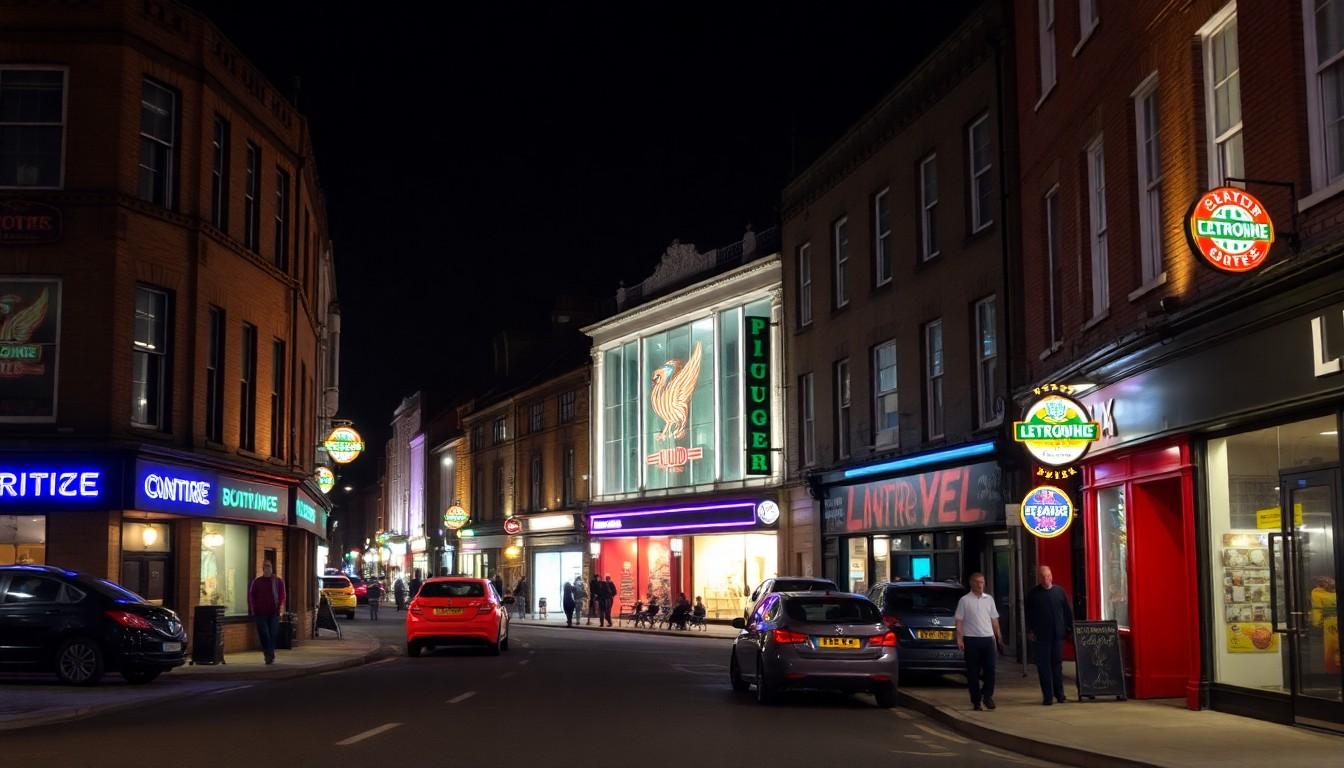
Shoppers and revellers have noticed a worrying drift: Liverpool’s Pride Quarter is shrinking, with venues closing and footfall falling, here’s why it matters to locals, visitors and anyone who values queer spaces, and what can be done to help the scene survive and thrive.
Essential Takeaways
- Venue closures are mounting: Several nightlife spots in the Pride Quarter have shut or changed hands, shrinking the once-busy cluster of LGBTQ+ venues and leaving gaps where community hubs used to be.
- Accessibility is poor: Most venues occupy basements or have steps, making them hard to reach for disabled patrons and excluding part of the community.
- Image and streetscape matter: Cumberland Street’s scruffy exterior and lack of signage put off casual visitors, even when interiors are welcoming and lively.
- Costs and behaviour have shifted: Rising operating costs, post-pandemic drinking habits and later nights with less midweek trade are squeezing margins.
- Community action helps: New nights, charity support and committed venue owners show the Quarter isn’t dead, local backing and smarter promotion could change the direction.
What’s actually happening in the Pride Quarter?
The most immediate fact is visual: empty units, “for sale” notices and the recent closure of well-known venues have left the Quarter feeling quieter and, frankly, a little sad. The loss isn’t only about late-night business; it’s about a handful of places that doubled as safe spaces, performance venues and community meeting points. The effect is tangible when you walk Cumberland Street and notice fewer groups lingering under the streetlamps.
This downturn didn’t arrive overnight. Operators point to rising costs, staffing headaches and shifting customer habits since the pandemic. Industry chatter suggests venues that once relied on predictable Thursday or Friday crowds now struggle to hit the numbers they need to survive.
Why accessibility and the street itself are front-line issues
Step inside many of these venues and you’ll find warmth, colour and community; step back out and you’re often faced with a scruffy, poorly signed street that simply doesn’t invite people in. Not one of the key venues operates entirely at ground level, so disabled patrons are often excluded before they even get through the door. That’s not just an oversight, it’s a real barrier to inclusivity.
Owners and staff have been petitioning for practical fixes like better signage and public-realm improvements for some time. These look like small wins, ramps, clearer wayfinding, a tidier pavement, but they change first impressions dramatically and can turn passers-by into customers.
The economics: why some bars can’t keep up
Running a club or themed bar in the current climate is tough. Costs for energy, staff and security have all increased, while people’s social habits have changed: later nights, fewer drinks, more selective spending. Some venues tried reinventing formats, popup concepts, premium nights, but not all experiments landed. The truth is many of these businesses work on tight margins, and losing a single busy weekend can ripple into weeks of shortfall.
Community fundraisers helped plug gaps for events like Pride, but large portions of donations came from a handful of organisations rather than many smaller supporters. That picture raises a question: if these spaces are as central to people’s lives as they say, why isn’t more of the community chipping in regularly?
Creativity is still alive, new nights and venues are proof
Despite the gloom, there are bright spots. Alternative queer-led nights, cabarets and new concepts are launching and finding audiences, especially in complementary parts of the city like the Baltic Triangle. These events show the community’s creative energy hasn’t gone anywhere; it’s just relocating or experimenting with formats that suit modern nightlife.
What’s encouraging is that when creators and promoters collaborate, events can pull people back into the Quarter. A steady programme of diverse nights, punk, cabaret, queer club nights, keeps a scene relevant and gives different groups a reason to drop in. Support these nights and you help keep the broader ecosystem alive.
Practical ways to help the Quarter today
If you care about keeping Liverpool’s LGBTQ+ scene alive, here are simple, practical things to do. Visit more often and buy a drink rather than just popping in for a selfie. Book tickets in advance for events or buy memberships where they exist. Spread the word about small nights and volunteer where possible. Push local councillors for signage and accessibility work, and consider donating to targeted fundraisers beyond the annual Pride drive.
And remember: small habits matter. Turn up on the off-nights as well as the headline nights; bring friends who might not usually come; and tell venues what you love so they can keep doing it.
It’s a small change that can make every night feel a bit more alive.
Source Reference Map
Story idea inspired by: [1]
Sources by paragraph: