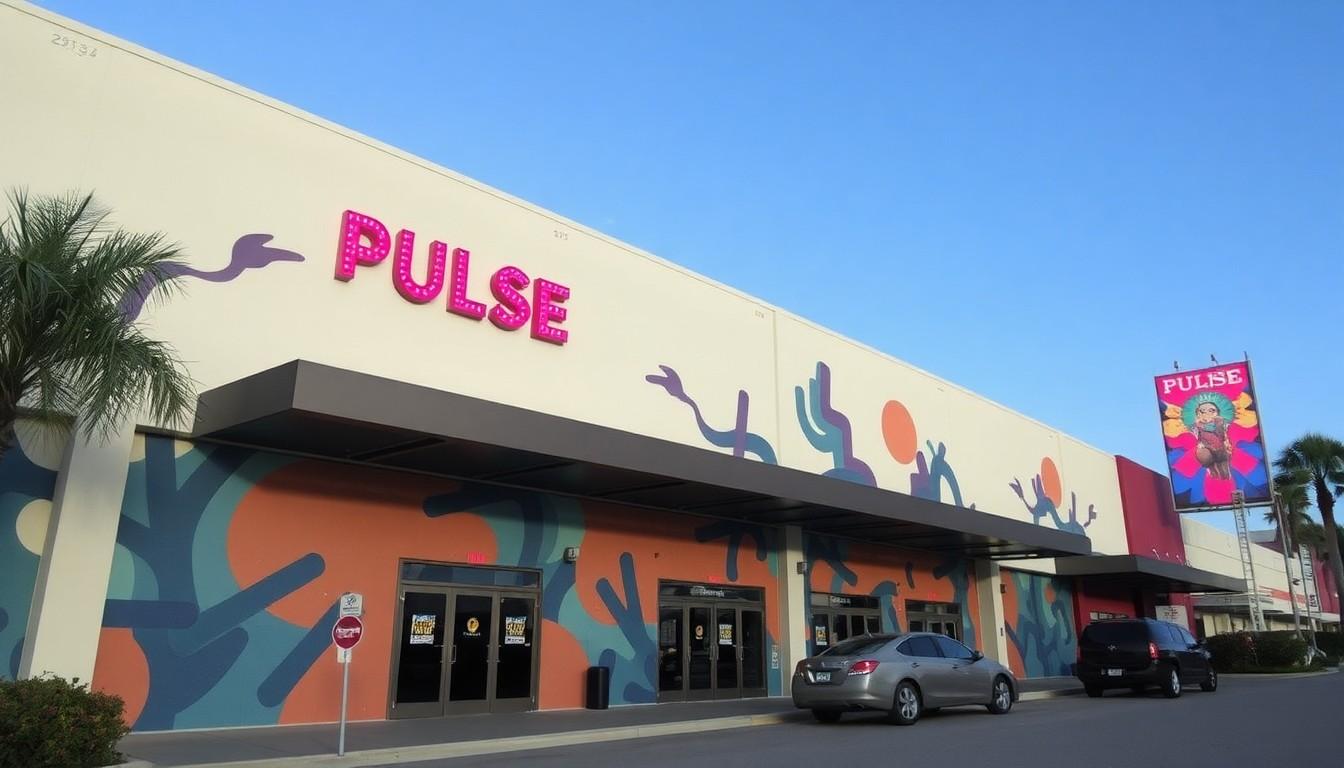
Remembering isn't enough , activists and survivors are urging tangible steps to honour the 49 lost at Pulse. At a Miami panel, community and national leaders gathered to mark the tenth anniversary, calling for policy change, sustained organising, and everyday solidarity that protects LGBTQ+ lives where it matters most.
Essential Takeaways
- Community-led remembrance: Leaders say memorials and vigils help heal, but must be paired with organising and advocacy.
- Policy focus: Advocates highlight commonsense gun-safety laws as a direct way to prevent future tragedies.
- Continued resistance: Florida remains a battleground for LGBTQ+ rights, with groups urging vigilance and mobilisation.
- Personal commitment: Survivors and families ask for action over words , donations, votes, and local support matter.
A decade on: grief that became a movement
Ten years after Pulse, the grief is still close to the surface , empty seats at dinners, birthdays missed, quiet absences that family and friends feel every day. Community leaders who convened to mark the anniversary framed remembrance as the starting point, not the end, of honouring victims. Organisations including Equality Florida, the Human Rights Campaign and GIFFORDS have turned mourning into sustained activism, arguing that memory must translate into laws and protections.
The panel underlined that memorials and vigils are cathartic and necessary, but they made clear those rituals carry more weight when they spark real change. For readers, that means showing up beyond the anniversary: volunteer, give to local LGBTQ+ and gun-safety groups, and keep conversations with elected officials alive.
Why gun policy sits at the heart of honouring Pulse
Speakers tied the Pulse tragedy directly to gun access, saying easy availability of firearms and hate make a lethal mix. Organisations like GIFFORDS, led by former Congresswoman Gabrielle Giffords, focus on shifting laws and culture to reduce the risk of future attacks. If you want to honour those lost, they suggest backing commonsense measures , waiting periods, background checks, safe storage laws , that evidence shows can save lives.
Practical takeaway: check your own state’s laws, support campaigns for risk-based policies, and use local ballot measures or petitions as a way to press for change where national legislation stalls.
Florida’s fight: vulnerability and resistance in equal measure
Florida emerged in the discussion as both a site of intense anti-LGBTQ pressure and a hub of organising and resistance. Speakers noted that in the decade since Pulse the state has seen rollbacks on some protections even as community activism has grown stronger. That tension means local engagement , town-hall attendance, voting, volunteering with state-wide groups , is especially important.
If you live in Florida, consider prioritising local organisers for donations and time; if you live elsewhere, small acts of solidarity , letters, phone calls, spreading credible information , help sustain movements across state lines.
Survivors demand action, not platitudes
Survivors and family members who spoke on the panel stressed a clear message: honour the dead with action rather than empty condolences. For many, the most meaningful tributes are concrete , pushing for policy reforms, supporting survivors’ services, and building safer community spaces. Organisations recommend supporting trauma-informed services, legal defence funds, and community centres that keep queer people connected.
A simple way to help: find local LGBTQ+ centres or gun-violence-prevention chapters and ask what their current priorities are. Time, money or amplification of their campaigns can be exactly what’s needed.
What you can do now , practical steps that matter
Start locally: attend vigils and memorials, but treat them as entry points. Educate yourself on gun-safety policies in your area, register to vote, and support candidates who prioritise public safety and LGBTQ+ rights. Donate to organisations providing survivor services and legal support. Finally, tend to your own communities , check in with queer people you know, back local businesses and centres, and say loudly that hatred has consequences.
Remember: small, steady actions add up. The tenth anniversary was a reminder that remembrance paired with resolve can change the future.
It's a small change that can make every memory count.
Source Reference Map
Story idea inspired by: [1]
Sources by paragraph: