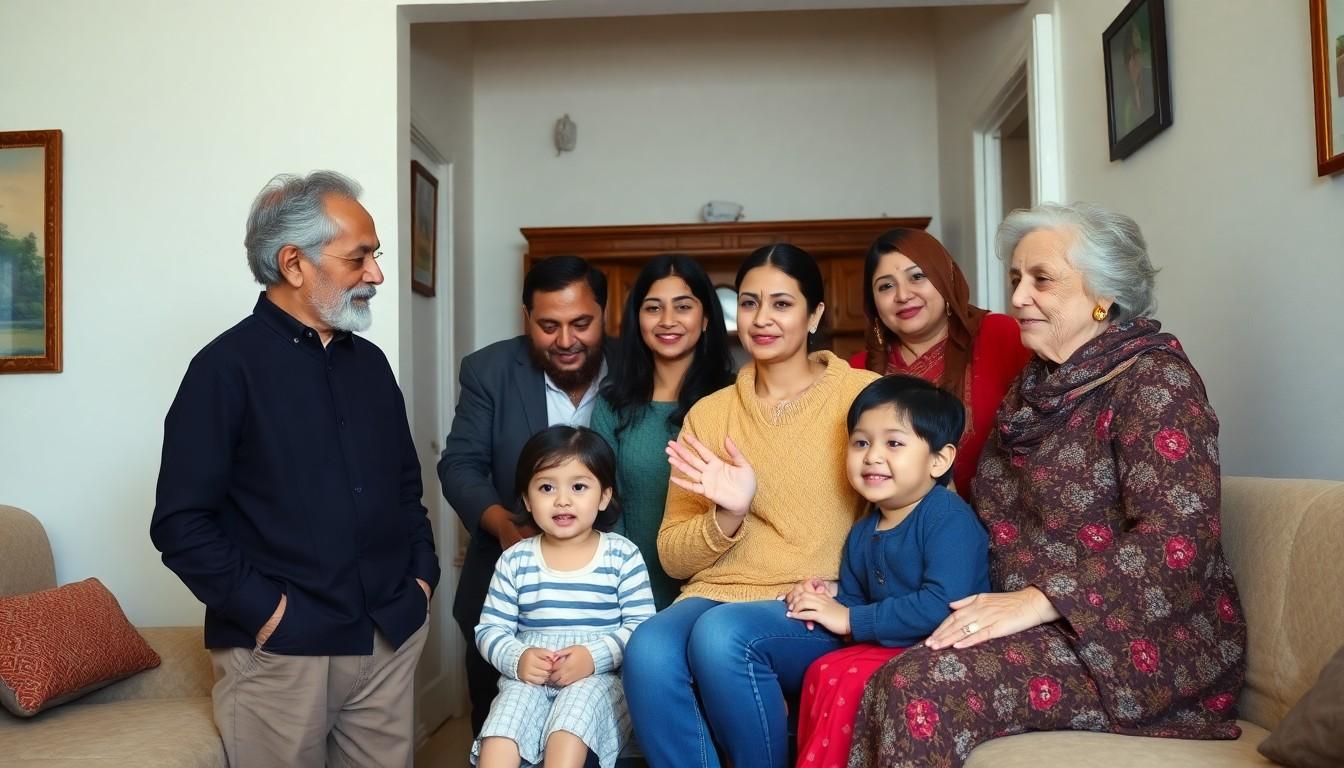
Celebrate how families actually work , people who love, care for, and show up for one another , and remember why Pride month matters beyond parades and politics. From blended households to chosen families, here’s a clear, warm guide to embracing every family configuration this June.
Essential Takeaways
- Families come in many shapes: biological, blended, chosen, multigenerational , all valid and nurturing when grounded in care.
- Love and consistency matter most: a stable, loving home beats rigid definitions every time.
- Pride’s broader purpose: it honours families that have faced exclusion and highlights resilience and community.
- Practical support matters: inclusive policies, community resources, and everyday kindness make a real difference.
- Keep it local and visible: neighbourhood events and simple gestures help normalise diverse family life.
Start with the obvious: love trumps labels
There’s nothing sentimental about pointing out what works: homes with warmth, support and predictability help people thrive. Personal essays and readers’ letters lately have reminded us that what counts isn’t the blueprint but the daily practice of care. That is at the heart of Pride too , a month when communities celebrate identity, resilience and the families people build when the traditional route isn’t theirs.
So when someone on your street introduces you to a partner’s parent or a chosen sibling, treat it like any other family meeting: listen, welcome, and ask about the casserole. Simple courtesies normalise difference and help everyone feel seen.
How varied families actually are , and why that matters
Historically and across cultures, "family" has meant different things: extended kin networks, matrilineal households, communal child-rearing and more. The push to narrow the term to a single model has always been at odds with human reality, and it’s often rooted in politics more than care.
Recognising variety isn’t just an abstract good; it shapes policy, schooling and healthcare access. If you’re choosing words or voting on local measures, favour language and policies that reflect lived family experience, not an imagined ideal.
Practical ways to support diverse families this Pride Month
You don’t need a march to show support, though parades are powerful. Try these small, effective moves:
- Offer inclusive language in community settings , "parents and caregivers" instead of assumptions.
- Volunteer with local services that help single parents, LGBTQ+ youth, or multigenerational households.
- Advocate for policies at schools and clinics that protect all family types, from adoption rules to visitation rights. These actions make an abstract principle feel tangible and are exactly the sort of steady support families need.
When "chosen family" saves the day
Chosen family , friends who take on the roles parents or blood relatives once held , is more than a poetic phrase. For many LGBTQ+ people, it has been essential. Recognising chosen family in workplaces, healthcare and legal contexts reduces stress and makes services accessible when it matters most.
If you’re an employer, check if your benefits acknowledge non-traditional next-of-kin. If you’re a neighbour, offer practical help: a carpool, a babysit swap, or simply a listening ear. These small gestures are often lifesaving.
The conversation we should be having after June
Pride month raises visibility, but the work continues year-round. Conversations about who we call family should lead to action: better legal protections, anti-discrimination enforcement, and community programmes that reflect reality. Media pieces, local panels, and school discussions can keep the topic in public view without turning it into tokenism.
And a final note: if you disagree with someone’s family choices, start by finding common ground , most people want safety, love and dignity. Meeting there keeps debates humane and focused on what matters.
It's a small cultural shift to treat every family as worthy , but it changes lives.
Source Reference Map
Story idea inspired by: [1]
Sources by paragraph: