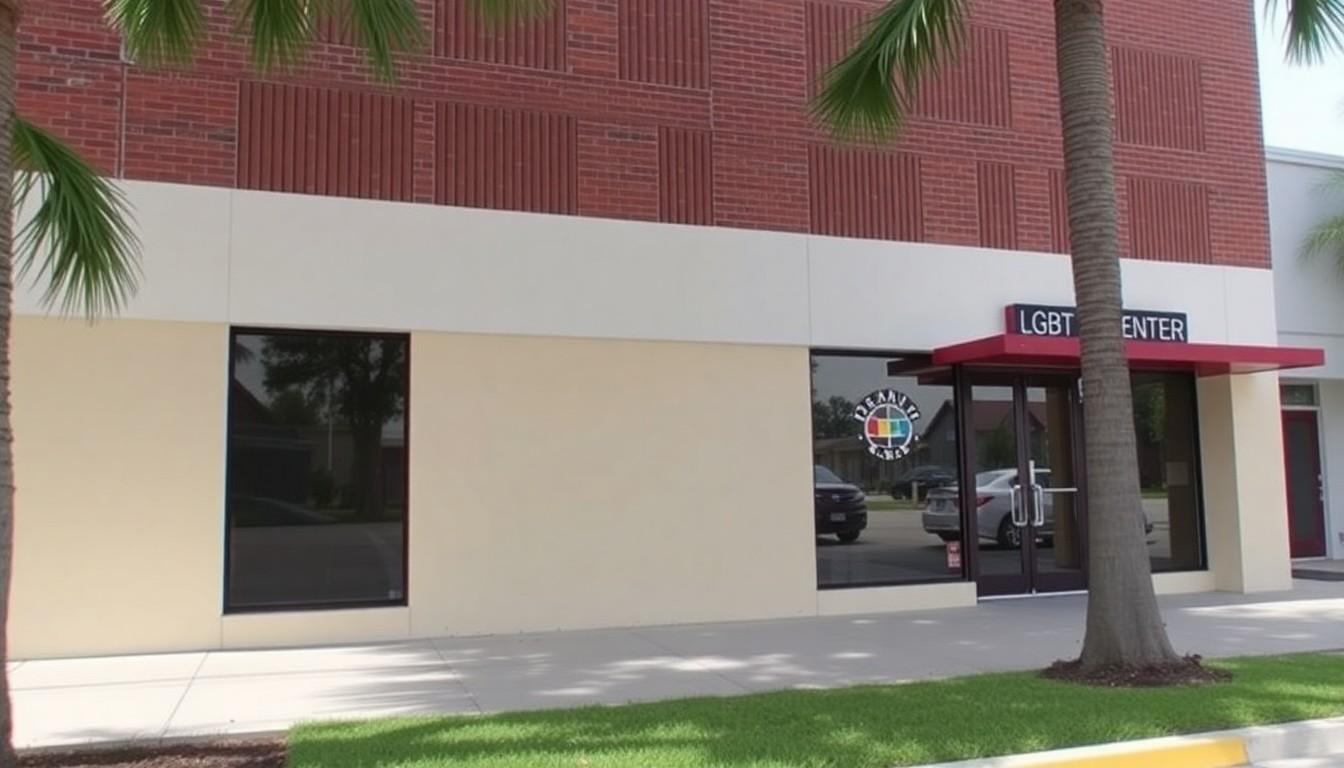
Remembering matters: Gays Against Guns gathered at the LGBT Center in New York on June 12 as community members, family, officials and performers marked the 10th anniversary of the Pulse nightclub massacre , a quiet, powerful reminder of why gun reform and collective mourning keep resurfacing.
Essential Takeaways
- Annual ritual: Gays Against Guns holds a yearly remembrance for the 49 people killed at Pulse, with the June 12 event marking the 10th anniversary.
- Human Beings present: Survivors and people representing victims , called Human Beings , participated, adding a personal, emotional anchor to the ceremony.
- Broad turnout: Local elected officials, advocates, celebrities and family members took part, giving the gathering civic and cultural weight.
- Art and music: The Resistance Revival Chorus performed, offering a stirring, communal soundtrack to the memorial.
- Local hubs matter: The LGBT Center served as the meeting point, illustrating how familiar community spaces host national grief and activism.
Why these gatherings still stop you in your tracks
You can feel the room change when a decade-old wound is remembered; there’s a soft, communal gravity to it. Gays Against Guns’ New York event mixes ritual and protest in a way that’s both solemn and insistently public. The presence of Human Beings , people who stand in for those lost , gives the ceremony a human face, so it’s not just statistics on a page.
For many attendees, this isn’t a one-off act of remembrance but part of a longer campaign. Vogue and LGBTQ Nation have chronicled how the group has kept Pulse in the public conversation over the years, blending memorial work with activism. That mix helps explain why the commemoration still draws politicians and performers alike.
The role of music: why a chorus matters at a vigil
Music softens, amplifies and holds a crowd in a shared feeling; the Resistance Revival Chorus’ set did exactly that. A live chorus can turn a list of names into an experience, turning private grief into a collective moment. That emotional lift also renews resolve, people leave remembering and ready to act.
Organisers often use art intentionally: it bridges generations, and it’s an accessible way to invite participation. If you’re thinking of attending a future remembrance, expect to listen as much as to speak , and to feel something unmistakably communal.
What the Human Beings do , and why they’re vital
Gays Against Guns created the Human Beings practice to prevent abstraction. When someone stands in for an individual lost to gun violence, the public is asked to meet a person rather than a number. It’s a simple tactic but a powerful one; it personalises policy debates and anchors activism in story.
That approach has helped the organisation keep attention on the victims of Pulse while also linking their memory to every subsequent mass-shooting conversation. It’s why local officials and advocates keep showing up , the ritual turns grief into a civic prompt.
Local hubs: how LGBT centres carry national stories
Holding the event at the LGBT Center matters. Community centres are familiar, accessible, and symbolically resonant. They’re where people already come for support, so memorials there feel like family gatherings as much as public protests. The choice of venue makes the message: this is our grief, our fight, right where we live.
Community venues also make it straightforward for allies and officials to participate. They make the ritual approachable for people who might otherwise watch from a distance, and they help ensure the remembrance is local as well as national.
Looking forward: memory, policy and the stay of repetition
Anniversaries like this one are part lament and part call to action. They remind us why gun safety debates refuse to fade: the human cost keeps coming into view. Reports from regional outlets suggest communities across Florida and the nation still grapple with the aftermath, and organisations like Gays Against Guns continue to link remembrance with demands for policy change.
If anything, this decade mark shows how ritual and activism can coexist , and why both matter. The work of remembering keeps stories alive and, for many, fuels the push to prevent the next tragedy.
It's a small change that can make every remembrance carry weight and purpose.
Source Reference Map
Story idea inspired by: [1]
Sources by paragraph: