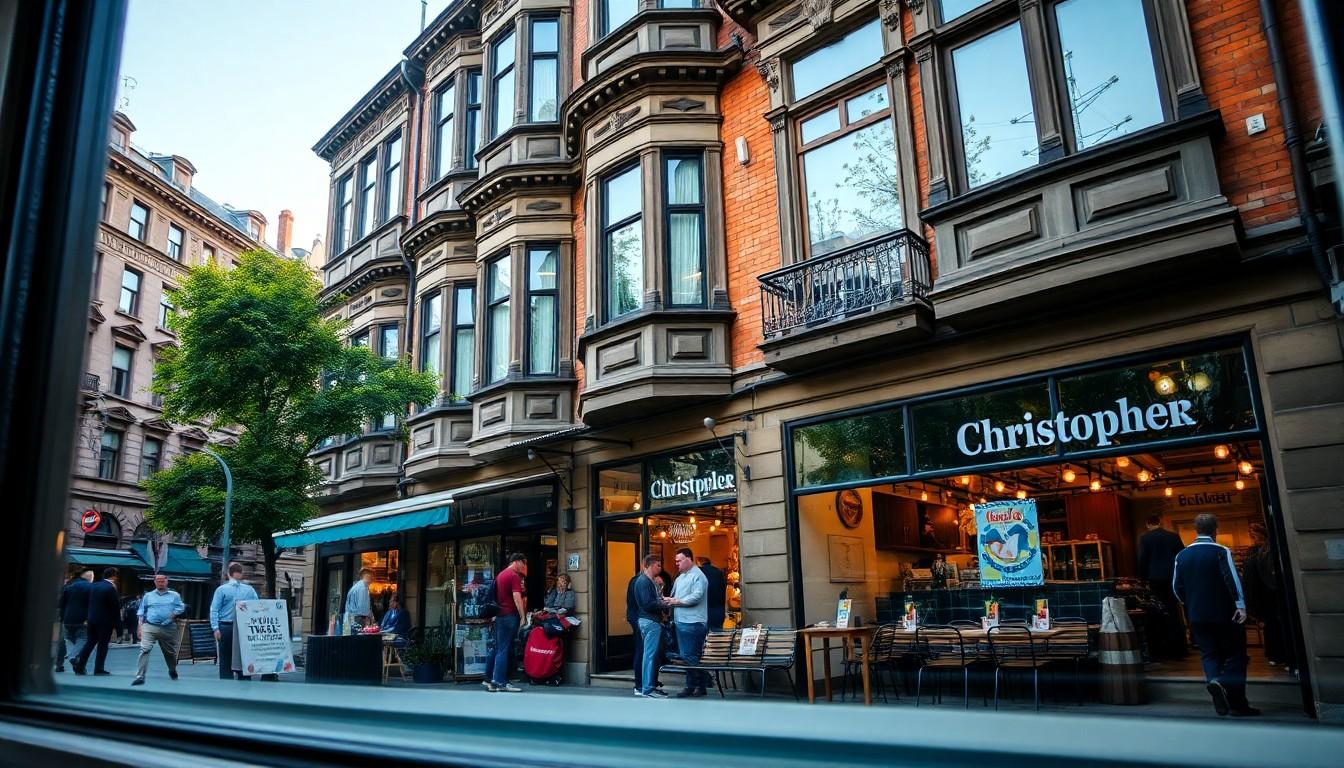
Shoppers are turning out, organisers keep planning and communities keep painting their towns rainbow despite growing threats; across Germany more Christopher Street Days are happening than ever, and that visibility is both celebration and defence.
- Rising attacks: Nearly half of CSDs in 2025 faced attacks, disruptions or intimidation, making events feel tense and precarious.
- More events, not fewer: The number of CSDs is increasing, especially in the east, with Brandenburg hosting a record 22 events this year.
- Local courage: Smaller towns and new organisers are stepping up, creating a quieter, resilient form of resistance.
- Practical needs: Events now routinely require security planning, police liaison and clear safety advice for participants.
- Emotional texture: Pride remains a mix of joy and protest , a public refusal to be erased.
Why Pride is getting more dangerous, and what that feels like
Attacks on Pride events have climbed sharply, with many marches and festivals facing deliberate disruption. According to reports, assaults, organised counter-demonstrations and threats have become disturbingly common, especially in some eastern regions. For attendees the change is tangible: an otherwise bright, noisy street can carry an undertone of unease, and volunteers now brief marshals about de-escalation alongside confetti plans.
The increase in hostility hasn’t stopped people from turning up. In fact, the visible contrast , rainbow flags against intimidation , is part of why many choose to show up. Organisers and regulars say the mood at events often mixes defiance and relief: tiring, yes, but also a renewed sense of community that ordinary celebrations alone can’t supply.
More CSDs than ever , why the map is expanding
While attacks make headlines, another trend is harder to miss: the sheer growth in the number of Christopher Street Days. Regions that once had a single annual march now host multiple events, and smaller towns are adding their own Pride days. Brandenburg’s record 22 CSDs this year illustrates that expansion, and organisers in Thuringia report similar grassroots growth.
This spread isn’t accidental. Local activists and queer networks have deliberately pushed visibility into places where presence matters most: towns that rarely see LGBTQ+ life in public. The result is that Pride has become less concentrated in big cities and more woven into everyday municipal life , a strategic and hopeful shift.
Security, policing and the awkward realities organisers face
When demonstrations attract hostile mobilisation, police involvement increases , sometimes comfortably, sometimes not. Many CSDs have required formal police protection or closer coordination with local authorities to keep routes safe. Media coverage and public statements from government representatives have pressured police to act, yet responses vary by region.
Organisers now balance celebration with contingency: route changes, trained steward teams, clear reporting channels for harassment and discreet safe spaces for attendees who need them. If you’re planning to attend, check event pages for safety info, arrive in groups when possible and note where marshals and medics will be stationed.
The east–west contrast and why it matters
News outlets and civil-society reports highlight a sharper concentration of disruptions in the east of Germany. Analysts point to the activity of extremist youth groups and established far-right networks that increasingly target queer visibility. That regional pattern helps explain why growth in CSDs there is both courageous and necessary.
Yet there’s an important counterpoint: the surge of new events in those same eastern states shows organisers refusing to retreat. Visibility in smaller towns carries a different, quieter power , it normalises queer presence where invisibility once reigned, and it directly challenges those trying to make public spaces hostile.
Practical tips for attendees and hosts this Pride Month
If you’re going to a CSD this year, a little planning goes a long way. Look up the event’s safety guidance before you go, travel with friends, and know where the help points are. Volunteers and stewards do crucial work , consider joining if you can spare time; training is often provided. For hosts, liaise early with local police, prepare clear communication for participants, and set up calm-down and first-aid areas.
And if you can’t attend, visibility still helps: display a flag, support local groups financially or amplify event pages online. Small gestures matter; they change the atmosphere of towns and cities over time.
It's a small change that can make every Pride safer and more defiant.
Source Reference Map
Story idea inspired by: [1]
Sources by paragraph: