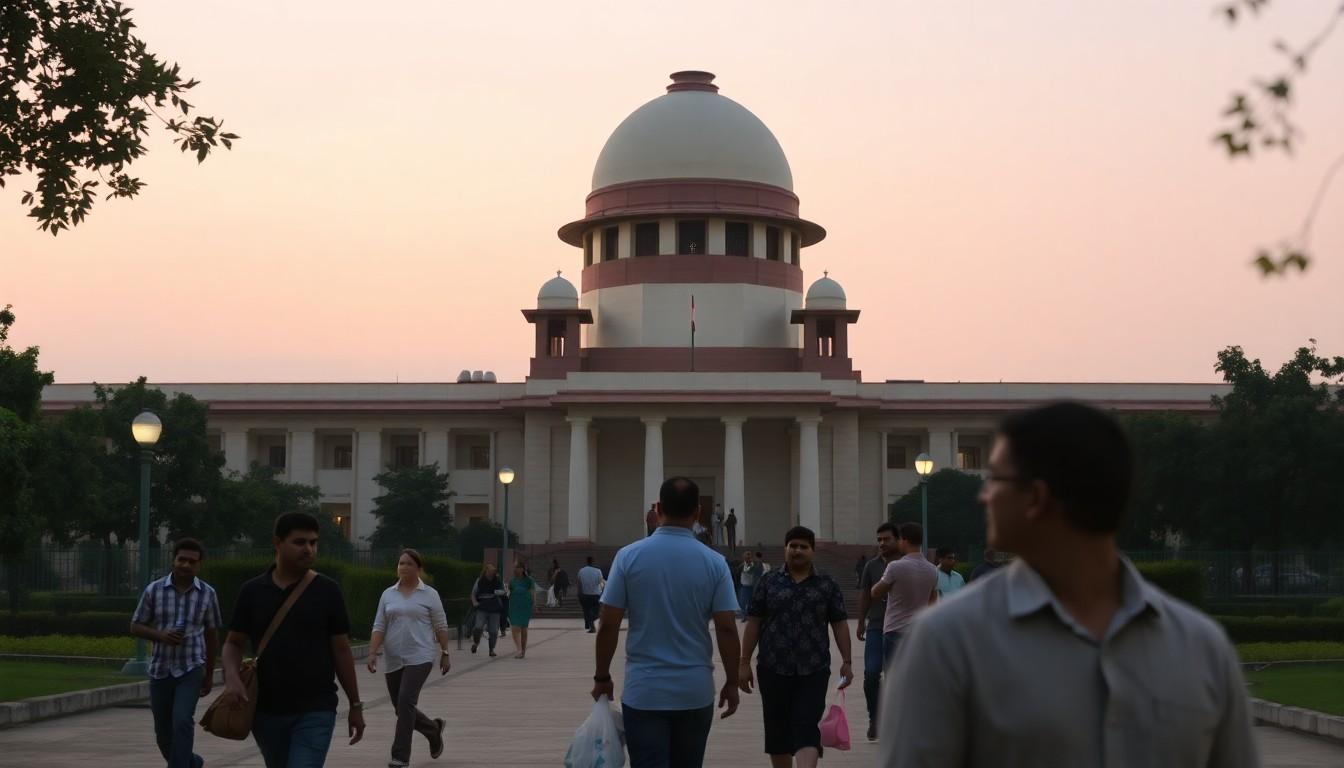
Shoppers, voters and advocates are watching closely as India debates whether to give same-sex couples the legal protections of marriage. Campaigners say recognition would fix everyday problems , inheritance, hospital visits, pensions , while critics call for Parliament to lead the change; here's what you need to know.
Essential Takeaways
- Legal gap: Same-sex couples in India lack inheritance, pension, tax and medical-decision rights that married couples enjoy.
- Judicial vs legislative: The Supreme Court recognised dignity but deferred marriage law changes to Parliament.
- Civil unions: mixed bag: They could offer protections, but risk creating a second-class status if not equal to marriage.
- Social shift: Acceptance is growing beyond metros; visibility via festivals and media is changing attitudes.
- Practical stakes: Without recognition, partners face real hardship during crises , it’s not just symbolic.
Why the conversation matters now
The strongest point is simple and human: couples live and plan together, but the law often treats them as strangers in a crisis, which feels wrong and, for many, frighteningly practical. According to recent legal commentary and campaigners, decriminalisation was only the first step; what follows is ensuring rights that matter day-to-day. The courts have underlined constitutional values like dignity and equality, but also signalled that Parliament must do the heavy lifting to convert those values into working statutes.
What the Supreme Court actually said , and why Parliament matters
In its 2023 rulings the Supreme Court affirmed that queer relationships deserve dignity, but it stopped short of rewriting marriage law. Legal analysts note the court emphasised that marriage touches many statutes , succession, adoption, taxation, pensions , so any change requires careful legislative drafting. That’s not dodging the issue so much as flagging the scope: you can’t just alter one section and expect everything else to follow automatically. Lawmakers will need to amend multiple interconnected laws if marriage equality is to be meaningful.
Could civil unions be a useful compromise?
Civil unions are often pitched as a middle way: they can deliver inheritance, hospital and financial protections faster than sweeping marriage reform. But advocates warn of a trap , if civil unions become a separate category only for same-sex couples, they risk institutionalising inequality. Practical advice for policymakers is to design any alternative so it confers identical rights and dignity, otherwise it’s a cosmetic fix that leaves real disparities intact.
The everyday costs of non-recognition
Think beyond the headline debates: lack of legal status affects the ability to adopt, receive spousal pensions, be recognised as next-of-kin in hospitals, and claim insurance or tax benefits. Campaigners and lawyers point out plenty of real-life scenarios where absence of recognition leads to legal limbo and emotional distress. For couples who’ve pooled assets or depend on each other’s benefits, the stakes are financial as well as personal.
Signs of social change , and why law often follows culture
Visibility matters. Film festivals, social media and grassroots outreach have pushed queer stories into towns beyond big cities, shifting public opinion incrementally. History shows legal recognition and social acceptance often travel together: law can accelerate acceptance, but sustained cultural change makes legislative reform politically feasible. Expect advocacy, litigation and public conversation to continue nudging attitudes forward.
Closing line
It's a small but profound change: legal recognition would turn private commitments into public protections, and that's why the debate matters for millions.
Source Reference Map
Story idea inspired by: [1]
Sources by paragraph: