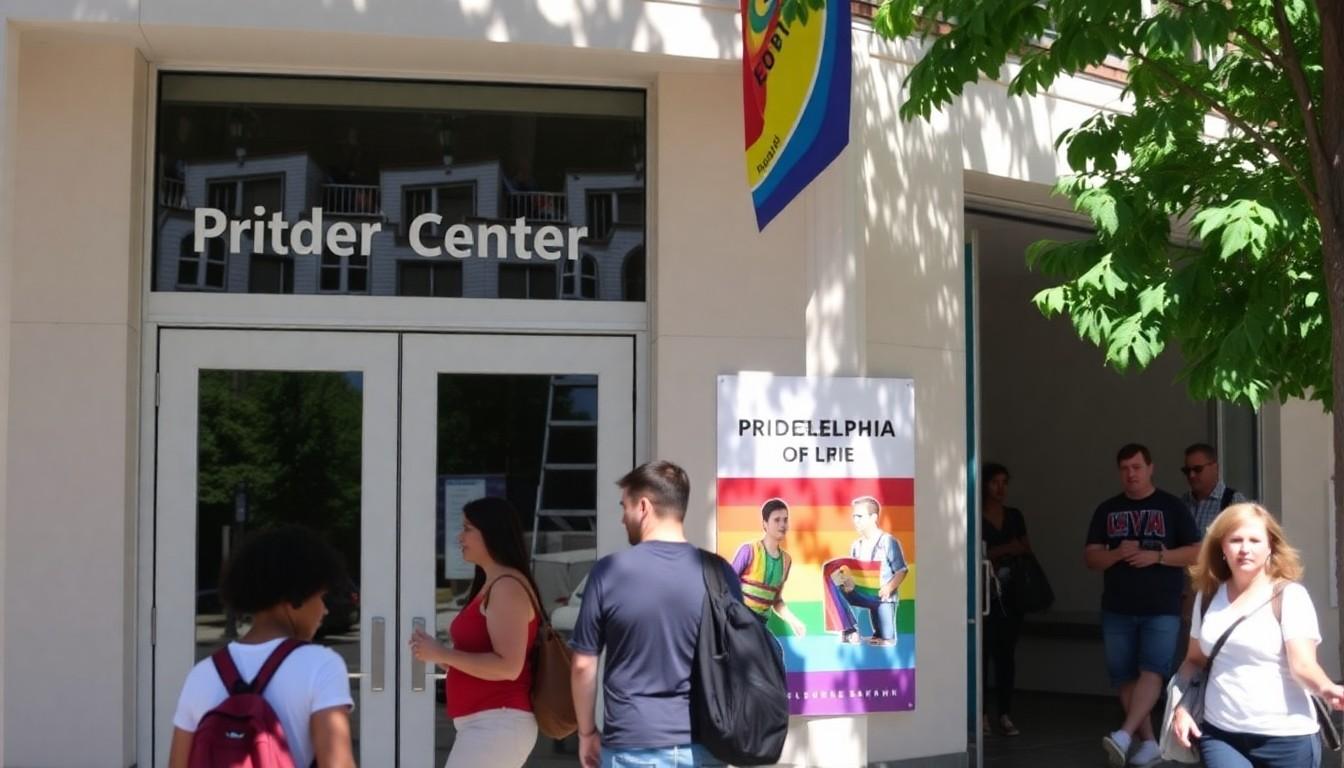
Shoppers are turning to history lessons as activists and visitors revisit Stonewall’s true story; Mark Segal, a Stonewall witness and Philly Pride curator, says it wasn’t Judy Garland or a single brick , it was a revolution that reshaped visibility, organisation and modern Pride.
Essential Takeaways
- First-hand view: Mark Segal, 75, witnessed Stonewall and calls the events a revolution, not merely a riot, with a raw, defiant energy.
- Myth busted: There was no single “first brick”; stories about who threw it are contradictory and unreliable.
- Diverse front line: The crowd that stayed to resist included marginalised people, people of colour and trans people , it wasn’t a tidy roll call.
- Aftershock: The uprising led to nightly organising, the Gay Liberation Front and the first Pride march within a year.
- Today’s legacy: Stonewall helped normalise visibility and civic recognition, from Pride floats to visitor centres celebrating LGBT history.
A veteran’s take: Stonewall as revolution, not a neat “riot” label
Segal says the language matters; he prefers “revolution” because Stonewall sparked sustained organising and social change, not just a one-night disturbance. He remembers the night with a vivid, gritty sense , the smell of fear and anger, the exhilaration of refusing to be invisible. That night spilled into the days and months after, he explains, with activists leafleting, offering legal and medical advice, and building new support groups. According to Segal, that ongoing activism is what makes Stonewall revolutionary. If you’re trying to understand why the word “revolution” fits, consider the institutions that followed: youth groups, trans organisations and the Christopher Street Liberation Day Committee that organised the first Pride march. Those are the structural legacies that turned an incident into a movement.
The brick myth: why we should stop obsessing over who threw it
The neat story of a single brick-launching instigator is enticing, but Segal stresses it’s a myth. People attributed to that act , including Marsha P. Johnson and Sylvia Rivera , gave contradictory accounts later, and there’s no definitive evidence a brick ever started things. This matters because myths can flatten complexity into celebrity moments, obscuring the collective courage of many people who resisted police harassment. So next time someone asks “who threw the first brick?”, the more useful question is how and why a frightened, marginalised crowd chose to stand and fight back.
Who was there? The messy reality of participants and identities
Segal rejects narratives that try to pin leadership on one identity group. He describes two groups that night: locals who scattered and a mixed, marginalised group who stayed to confront police , including trans people, people of colour and young activists. Riot scenes don’t lend themselves to roll calls, he says; the chaos, fear and fluidity of the crowd resist tidy categorisation. That matters today because historical misreadings can erase trans and racialised contributions, or weaponise the story for political attacks.
Visibility as strategy: from zaps to national broadcasts
Segal’s activism later included high-profile “zaps” and TV disruptions designed to force conversation. He argues that visibility , “out loud and proud” , was a conscious tactic to make LGBT lives obvious and debatable in the public square. That approach helped move issues from the margins into mainstream discussion and policy debates. If you’re an activist now, Segal’s message is practical: strategic disruption can still change the frame, but it needs organisation and a clear civic aim behind it.
What Stonewall means today: civic recognition and contested memory
Stonewall’s legacy shows up in surprising places: Philadelphia’s new Pride visitor centre and LGBT floats at national parades are signs of civic acceptance that would have been unimaginable in the 1960s. Segal points out that these changes are visible proof of progress. At the same time, the story is contested , opponents try to recast Stonewall as violent or dangerous, while some pop-culture takes reduce it to a Judy Garland punchline. That simplification robs the event of its political teeth and the lived experience of those who risked arrest and worse.
How to honour the truth without sanitising the past
Honouring Stonewall means preserving complexity: celebrating the courage without glossing over the fear, and crediting the many people who organised in its wake. If you visit historical sites or museums, look for exhibits that centre first-hand testimony and the organising that followed. And if you teach or commemorate Stonewall, focus less on celebrity origin myths and more on how grassroots organising turned outrage into institutions , legal aid, youth groups and Pride itself.
It's a small change in how we tell the story, but it makes every history lesson truer and every Pride march mean something deeper.
Source Reference Map
Story idea inspired by: [1]
Sources by paragraph: