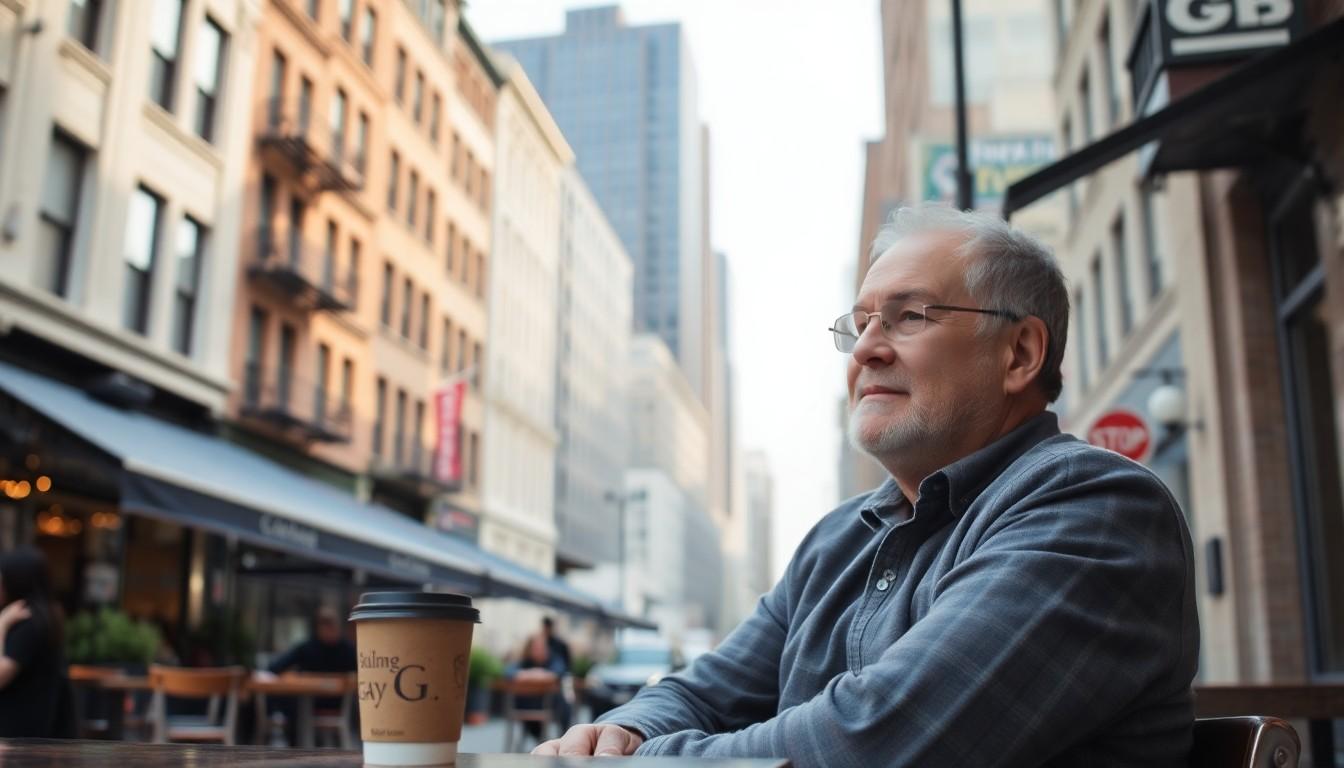
Shoppers are turning to sober strategies as gay men reframe dating: practical advice on using apps, staying safe around drinking cultures, and relearning sex and intimacy so recovery doesn’t mean giving up connection. This guide helps you navigate profiles, first dates, and hookups while protecting sobriety and building confidence.
Essential Takeaways
- Honest reframe: Sober dating asks you to unlearn old patterns and build new ways to connect without losing intimacy or desire.
- Apps with boundaries: You can use Grindr, Scruff or Hornet, but slower conversations, clear profile notes, or temporary deletion can reduce triggers.
- Sober-first dates: Daytime plans, coffee, museums or walks, help avoid alcohol-centric scenes and feel safer emotionally.
- Relearning intimacy: Sex may feel sharper or more vulnerable sober; communicate, slow down, and practise body awareness.
- Partner talk matters: Dating someone who drinks can work if you set boundaries and discuss what keeps you steady early on.
Why sober dating often feels alarmingly unfamiliar
Walking into a bar or opening an app can smell like old habits, and that smell is real: for many gay men, substances once softened social anxiety, smoothed flirting or numbed shame. Rehab can unmask a private fear, that chemistry and desire relied on drink or drugs, and that fear deserves honest attention. According to treatment programmes and clinicians working with LGBTQ+ clients, naming how substances linked to confidence and sex is often the first clinical step toward changing those patterns. So expect discomfort at the start; it’s a sign you’re doing the diagnostic work that matters.
Using dating apps without being derailed
Apps are rarely the villain; they’re tools that need new rules in recovery. Some men add “sober” to their profiles to filter early, while others wait until trust is building. Both work depending on safety and where you are in recovery. Slowing the pace of conversations, moving from chat to a phone call or daytime meet, reduces late-night invitations that can feel like relapse traps. If your feed is full of substance-coded language, consider muting tags, changing filters, or taking a temporary break from the app to protect early sobriety.
Choosing first dates that protect recovery and feel real
A first sober date should feel low-pressure and undramatic: coffee, a walk, a museum, brunch or a dog park means you’re meeting without alcohol as the background music. If you prefer, be upfront about the kind of date you want, many people appreciate clarity. If things go well, deliberately build more daytime options into your dating calendar: hikes, cooking together or volunteering shift the script away from nightlife and expand how you meet attraction. That wider repertoire is exactly what queer recovery communities and services recommend.
Relearning sex and intimacy when sensations are new
Sober sex can catch you off guard: sensations might be more intense, anxieties more obvious, and the old quick-fixes absent. The practical fix is simple but brave, slow down, talk more, check in with partners about comfort and consent, and treat vulnerability as part of the experience not a problem to flee. Clinical work with LGBTQ+ clients often folds sexual shame, chemsex history and minority stress into therapy, because these issues overlap. Give yourself time: intimacy is a skill you rebuild with small, steady experiments.
Dating people who drink, how to know if it will work
You can date someone who drinks, but it needs boundaries and conversation. Ask yourself what situations feel risky, late-night bar dates, house parties, chemsex-coded invites, and tell potential partners what helps you stay steady. A supportive partner will ask questions and respect limits; if they minimise your needs, that’s a clear warning. Many recovery resources suggest discussing tolerance early and agreeing on safe plans for parties, travel or social nights so you’re not negotiating boundaries under pressure.
Practical supports and where to look for community
You don’t have to figure this out alone. LGBTQ+-specific recovery groups, sober social apps and local queer recovery meet-ups can help you practise sober connection in real life. Organisations and services focused on gay and sober communities offer coaching, peer groups and events that replace bar-based socialising with daytime, substance-free options. Clinicians who specialise in LGBTQ+ affirmative therapy can also help you untangle shame and minority stress from dating patterns, which speeds up recovery and improves relationship outcomes.
It's a small change that can make every connection safer, clearer and more satisfying.
Source Reference Map
Story idea inspired by: [1]
Sources by paragraph: