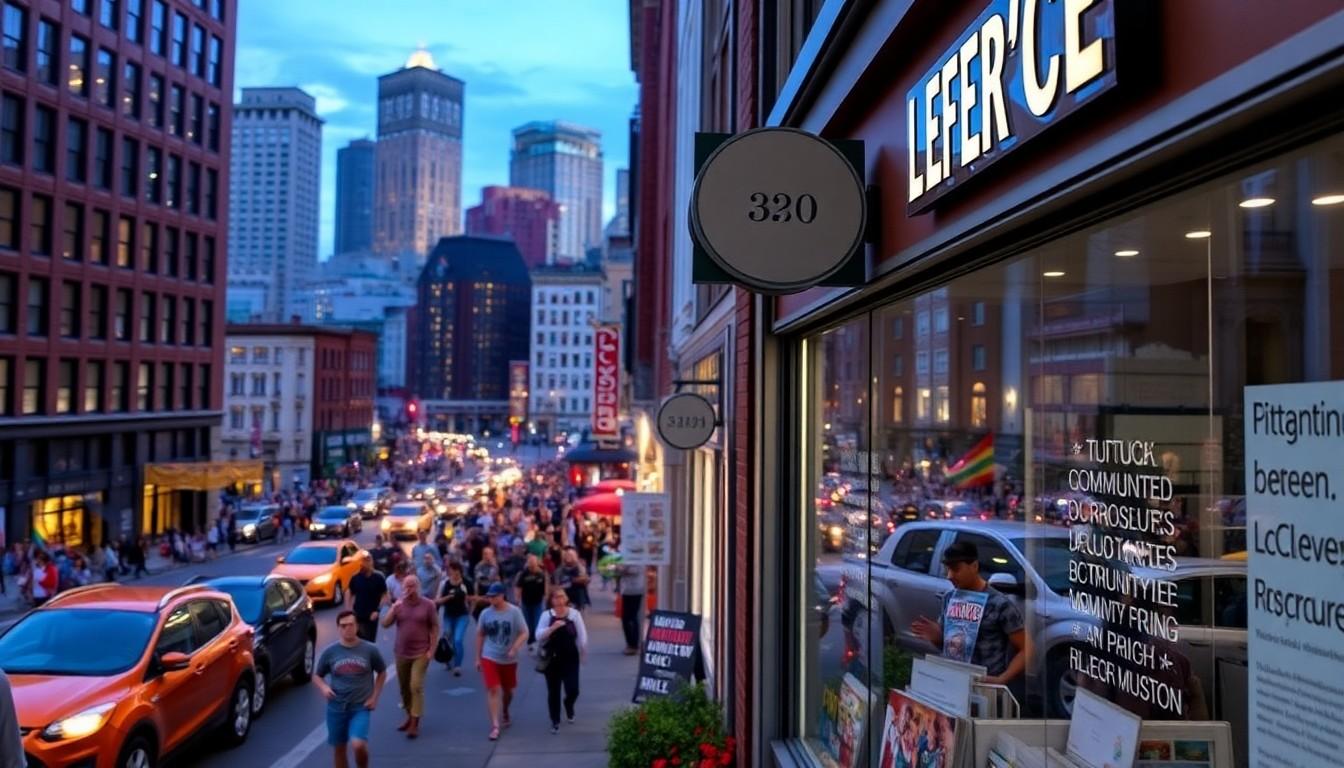
Celebrate Pride: Pittsburgh organisers, advocates and new media are turning big city events and neighbourhood gatherings into year‑round resources that matter , from QBurgh’s local reporting to grassroots groups helping youth, trans people and families feel seen and supported.
Essential Takeaways
- Strong local media: QBurgh launched on National Coming Out Day and has quickly become a trusted regional source for LGBTQ+ news and events, with podcasts and an office downtown.
- Huge turnout: Pittsburgh Pride has grown from a small 1970s protest to an event drawing hundreds of thousands, showing both celebration and remembrance.
- Growing infrastructure: Newer organisations , from youth homelessness support to trans‑focused groups , are filling practical needs like housing, wellness and community directories.
- Community funding matters: When corporate support wavered, local donors and smaller sponsors stepped in to keep Pride thriving; grassroots contributions made the largest recent parade possible.
- Visibility and inclusion: City initiatives and municipal protections have improved access locally, but advocates note more work is needed for trans people and communities of colour.
Why QBurgh matters: local queer journalism with heart
You can feel the energy when a local outlet grows from an idea into a newsroom; QBurgh began as two co‑founders’ decision to fill a gap and launched on National Coming Out Day during the pandemic. The site now hosts reporters, a podcast studio and an office downtown, and their coverage focuses on the hometown stories mainstream outlets often miss. Localised LGBTQ+ media does something important: it tells everyday stories that change lives , from small drag gigs to policy battles , and gives readers a place to see themselves. If you’re choosing where to follow local Pride news, a community‑run outlet will usually have the quickest, most relevant updates and a directory of resources. Look for regular newsletters, social channels and event listings to stay connected.
Pride’s scale: from protest to citywide celebration
Pittsburgh’s first Pride parade in the 1970s had perhaps 150 people; modern Pride has swelled into an event with hundreds of thousands of participants and more than a hundred parade contingents. That growth is sensory , the flags, the music, the crowd’s hum , but it’s also political: organisers make a point of remembering Pride’s protest roots even as celebrations expand. This dual nature , protest and party , is what keeps events meaningful. If you go to Pride, think about where you want to be in that mix: marching with advocacy groups, enjoying festival stalls, or finding a quieter community meetup.
New organisations filling gaps: youth, trans care and grassroots support
In recent years Pittsburgh has seen a wave of new, mission‑driven groups addressing specific needs. Organisations focused on youth homelessness, food and wellness, and trans and intersex support are now part of the local landscape. For people seeking help, that means more tailored services closer to home. Practical tip: if you or someone you know needs support, check community directories maintained by local outlets and national affiliates, and call ahead , smaller groups often work by appointment or referral and can connect you to multiple services.
Funding and sponsorship: how community dollars kept Pride strong
When national political climates make corporate sponsorship uncertain, smaller donors and homegrown organisations can be the difference between cancellation and celebration. Pittsburgh’s recent Pride relied heavily on a patchwork of contributions, proving how resilient communities can be when they pool resources. If you want to help, small recurring donations to local nonprofits, buying from gay‑owned businesses, or volunteering time are practical ways to ensure Pride and year‑round services continue.
What the city has done , and where it still needs to go
Pittsburgh has earned high marks for municipal protections and local initiatives aimed at inclusion, with recent city measures extending nondiscrimination protections and a human rights score that reflects real progress. City commissions and dedicated staff play a role in routing services and policy work. Still, leaders and advocates point to clear priorities: better outreach to Black and Brown LGBTQ+ residents, targeted resources for trans community members, and continued vigilance against rollbacks at state or national levels. For residents, staying engaged with local councils and supporting representation makes a tangible difference.
It's a small change to attend one more Pride event, support a community news outlet, or chip in to a local charity , and those simple acts help make every celebration and resource more lasting.
Source Reference Map
Story idea inspired by: [1]
Sources by paragraph: