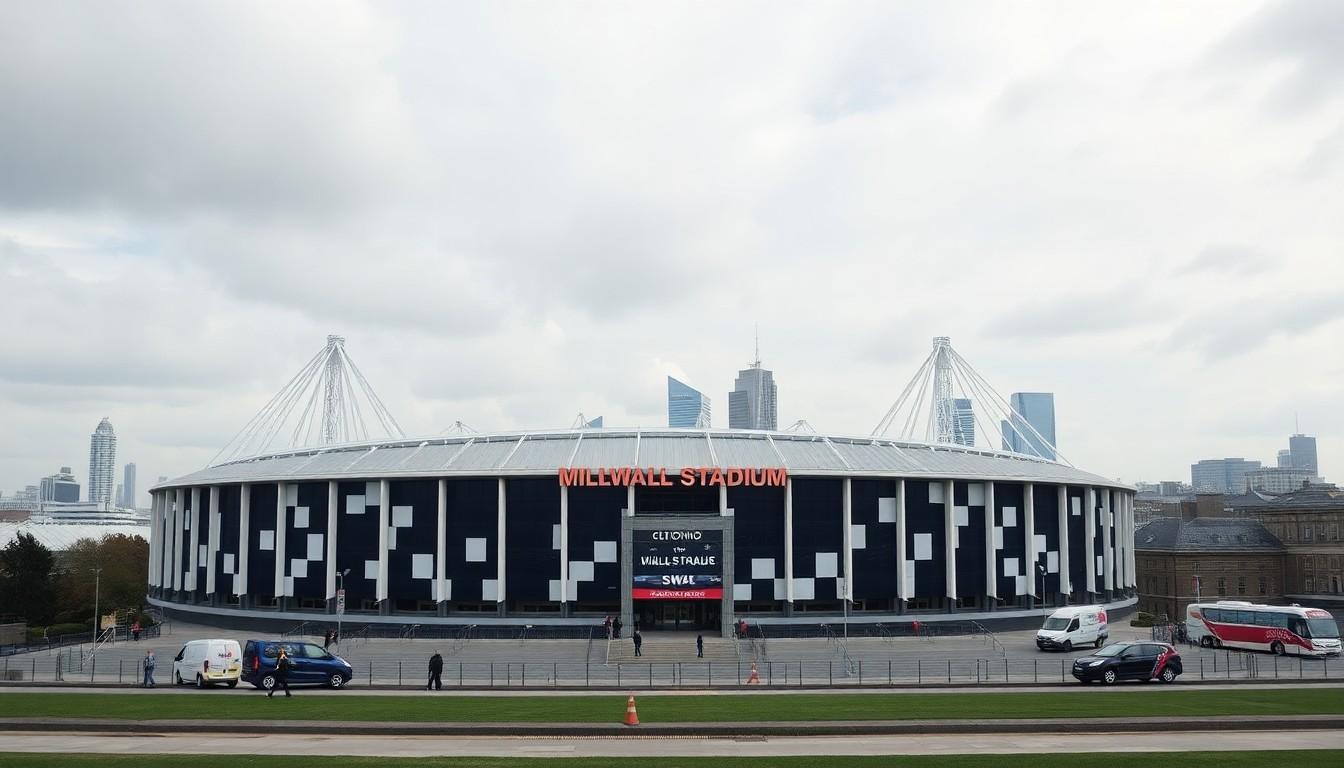
Shoppers are turning to new role models; Zander Murray and Millwall Romans have teamed up to launch the Pride Playbook, a practical blueprint to help clubs create genuinely inclusive LGBTQ+ teams and improve safety and belonging for players and fans across the UK.
Essential Takeaways
- Pride Playbook launched: A how-to guide aimed at helping clubs establish and support LGBTQ+ teams, written with input from Zander Murray and Millwall Romans, with practical, long-term steps.
- Historic catalyst: Zander Murray, the first senior Scottish professional footballer to come out publicly, has used his platform to push for change and mental-health support.
- Widespread problem: Research shows high levels of homophobic behaviour witnessed by fans, underlining the need for integrated LGBTQ+ teams and allyship.
- Club adoption push: Millwall Romans call on Premier League and EFL clubs to adopt or create LGBTQ+ teams; public support is strong, especially within the LGBTQ+ community.
- Support and safety: The initiative combines community-building with mental-health awareness and coaching guidance so players feel welcome from day one.
Why the Pride Playbook matters now
It’s hard to overstate how a simple, practical guide can shift culture; the Pride Playbook gives clubs a clear starting point, and it arrives at a time when the conversation is urgent and visible. Zander Murray’s own coming out and subsequent advocacy have shone a light on the gaps in support that LGBTQ+ players and fans face, particularly around mental health and belonging.
The playbook isn’t just a statement piece. It’s designed to be practical , tips for captains, onboarding, safeguarding and creating a visible welcome that makes a real difference to someone deciding whether they can play authentically. For clubs unsure where to begin, that kind of scaffolding is invaluable.
How Zander Murray’s story shifted the dial
When Zander publicly revealed his sexuality he became a landmark figure in Scottish football, and the immediate, emotional response showed how hungry people are for representation and honest conversation. His story is both personal and public: he speaks openly about dark times and has channelled that into activism, workshops, and charity partnerships.
That lived experience gives the Pride Playbook credibility. Murray has worked with charities and goes into schools and academies to normalise conversations about sexuality and identity, which helps younger players see a feasible route through football without hiding who they are.
Millwall Romans: a template for other clubs
Millwall Romans have been quietly pioneering an integrated, unapologetic space where players can be themselves, and their example is now a template for larger clubs. The Romans started as one team but their ambitions are wider: they want top-four clubs to either adopt an LGBT+ side or create one from scratch.
The atmosphere at the Romans , lively, inclusive, downright electric , is the kind of culture change many grassroots and professional teams could aim for. Adopting an LGBTQ+ team isn’t just symbolic; it provides structures for mentoring, visible allyship and easier pathways for players who might otherwise stay away.
The scale of the problem , and why teams must act
Surveys reveal worrying numbers: a large proportion of LGBTQ+ fans report witnessing homophobia at matches, and many supporters back the idea that clubs should host LGBTQ+ teams. That combination of lived hostility and public appetite for inclusive action makes the case for change hard to ignore.
Clubs that act now can reduce harmful behaviour, attract new fans and improve wellbeing. Practical steps are straightforward: training for staff, visible codes of conduct, formal support for LGBTQ+ teams and promoting allies in coaching and captaincy roles.
How clubs, coaches and fans can make it real
If you’re part of a club, start small and be consistent. Introduce clear anti-discrimination policies, offer inclusion training for coaches, and make a simple welcome pack for any new LGBTQ+ team. Captains and coaches should be visible allies; their leadership signals safety.
Fans can help too , call out abuse, support club initiatives and back campaigns like the Pride Playbook. For players, finding supportive teams or local LGBTQ+ sides can be life-changing. And if anyone’s struggling, helplines and local charities remain vital lifelines.
It’s a small change that can make every match feel safer and more human.
Source Reference Map
Story idea inspired by: [1]
Sources by paragraph: