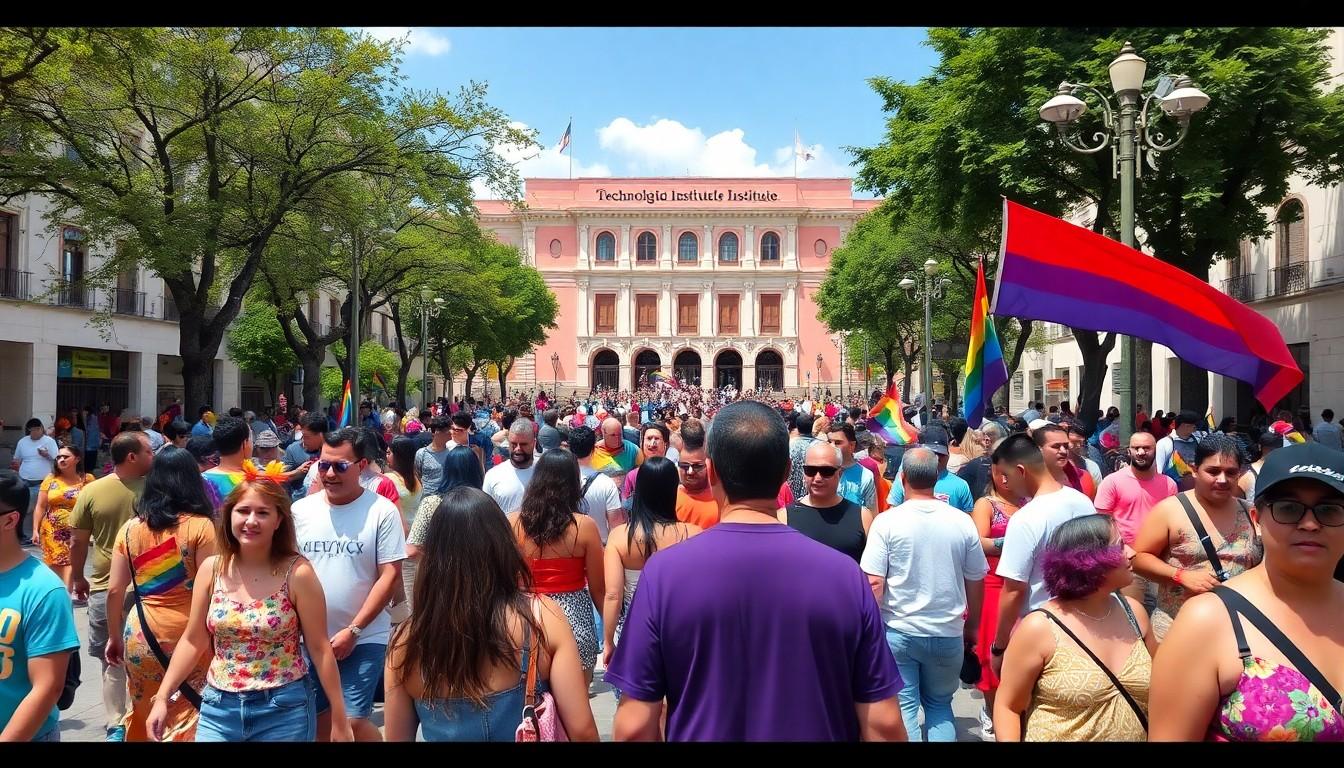
Shoppers, students and families turned out in force as Saltillo’s Pride march , “Creciendo libres, amando con orgullo” , filled boulevards and plazas, drawing thousands and spotlighting trans children and teenagers who still lack legal recognition in Coahuila. The day mixed protest, party and community support across the historic centre.
Essential Takeaways
- Big turnout: Thousands marched from the Instituto Tecnológico de Saltillo to Plaza de Armas, with floats and flags creating a lively, colourful atmosphere.
- Focus on youth: The mobilisation centred on visibility and legal recognition for trans children and adolescents, a gap that affects education and healthcare access.
- Diverse participants: Organisers, collectives like Red Arcoíris en Resistencia, families, independent contingents and allies all joined, making the march feel inclusive and supportive.
- Community support visible: The event honoured allies such as Father Robert Coogan and closed with music, art and a festival-like mood that kept people lingering.
A city awash with colour and purpose
Saltillo’s main avenues felt warm and loud, the air full of music, chants and the rustle of flags as the march made its way to the Plaza de Armas. According to local reports, the route started outside the Instituto Tecnológico de Saltillo and tracked down bulevar Venustiano Carranza, drawing onlookers and neighbourhood groups as it passed. The scene was equal parts celebration and demand: confetti and choreography alongside banners pressing for rights.
Organisers told reporters the event’s slogan, “Creciendo libres, amando con orgullo”, isn’t just poetic , it frames the march’s priority this year: younger people. That choice shifted the tone from purely festive to urgently political in places, while still keeping the warm, communal feel many attendees described.
Why trans youth took centre stage
Campaigners used the platform to highlight that, in Coahuila, legal recognition for gender identity under 18 remains limited, which complicates access to healthcare, schooling and protections from discrimination. Activists pointed out that lacking recognition creates real, everyday barriers , from bureaucratic hurdles to unsafe school environments , and that visibility in a mass march helps change public perception.
If you’re new to this debate, think of it this way: legal recognition affects practical things, like which documents match a child’s identity and whether schools are equipped to support them. The march made those abstract issues visible, with families walking alongside young people to show solidarity.
Groups, families and surprising allies
Red Arcoíris en Resistencia, Jóvenes Prevenidos, Hombres XX and other collectives led contingents, but what stood out was the number of families and independent participants joining in. Organisers told local media they’ve noticed a shift , more parents are attending, more allies are visible, and that changes the atmosphere. People described feeling “apapachadas” and supported, a small but meaningful word that captures how community presence can ease fear.
There were also public acknowledgements for supporters, including a recognition given to Father Robert Coogan for his accompaniment of the LGBT+ community. Such gestures underline how alliances across different sectors of civil society can broaden acceptance, even in places where legal change is still being sought.
Festival vibes with a clear message
Once the march reached Plaza de Armas, festivities took over: artistic performances, music and cultural activities that kept people around long after banners were rolled up. That mix of protest and party is familiar from Pride events worldwide, but here it doubled as a community-building exercise and a public reminder that demands for rights come with faces and stories.
If you attend something similar, expect a blend of speeches and celebration, and come prepared: wear comfortable shoes, bring water, and if you’re supporting young people, think about how to amplify their voices rather than speak for them.
Where this could lead next
Public marches shift perceptions slowly but steadily. Local coverage suggests increased visibility and parental participation are helping change social sentiment, even if legal recognition for minors still lags. Activists hope this momentum can translate into policy work and safer spaces in schools and clinics.
Keep an eye on local council discussions and continued community programming; festivals and markets tied to Pride have a habit of turning temporary visibility into longer-term networks.
It's a small change that can make every step toward recognition feel less lonely.
Source Reference Map
Story idea inspired by: [1]
Sources by paragraph: