Shoppers and fans are noticing a big pop-culture move , Ariana Grande has launched the Brighter Days Ahead Foundation to fund LGBTQ+ rights, mental-health support and emergency relief, promising targeted grants that aim to protect vulnerable communities and amplify queer voices.
Essential Takeaways
- Who it helps: The foundation focuses on LGBTQ+ people, especially gay and trans communities, plus related civil-rights and reproductive-justice causes.
- Four clear funds: Protect and Defend, Heal and Dream, Seen and Celebrated, and Emergency Support, each with specific grant aims.
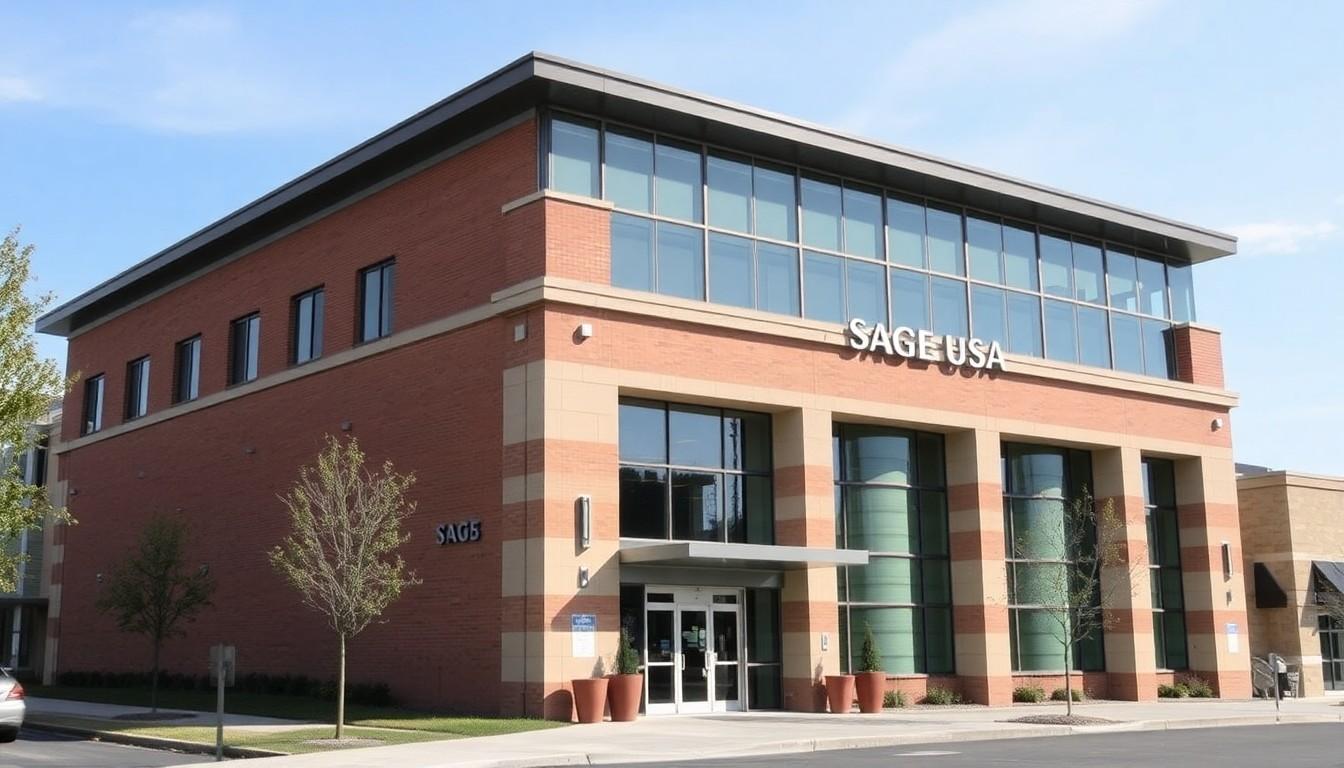
- Early grantees named: Groups like TransLash, SAGE USA, Gender Liberation Movement and community projects such as Glisten Rainbow Library are supported.
- Practical reach: Emergency grants already list diverse recipients, from local community groups to international relief charities.
- Tone and intent: Grande positions this as scaling up private support into organised, sustained giving , with mental-health care and advocacy central.
Why the launch matters now
Ariana Grande’s foundation arrives when political pressure on LGBTQ+ rights and access to services is high, and that urgency gives this project a real edge, not just PR. According to the foundation’s materials, the Protect and Defend fund will channel cash to grassroots advocacy that defends civil and reproductive rights. That focus matters because small groups often struggle to win mainstream grants, yet they do the day-to-day organising that keeps people safe. For fans and supporters, this feels like more than a celebrity statement , it’s a pledge of ongoing resources.
How the four funds actually work
The foundation splits activity into four straightforward pots: advocacy, mental health, cultural amplification and emergency relief. The Heal and Dream fund emphasises expanding access to mental-health care and community support, a practical nod to the emotional strain many LGBTQ+ people face. Meanwhile, the Seen and Celebrated fund is designed to amplify voices and storytelling, backing programmes such as community libraries and trans-led media. If you’re choosing where to donate or volunteer, this structure makes it easier to match your priorities to specific funds.
Who’s already getting support
Early grantees give a clear flavour of priorities: organisations like TransLash and SAGE USA are listed alongside grassroots collectives such as the Gender Liberation Movement and community projects like Glisten Rainbow Library. The Emergency Support fund has also awarded grants to a mix of local and international relief groups, showing the foundation can pivot to urgent needs quickly. That mix , cultural, clinical and crisis , suggests the foundation isn’t just about headlines but about practical, on-the-ground help.
What this means for celebrity philanthropy
This feels like a more organised, strategic chapter in celebrity giving. Grande herself said she’s supported these causes privately for years and is now expanding that reach; the move turns individual donations into a recurring, visible institution. It’s a template other artists might follow: name a mission, set clear funding streams, and publish grantees so the public can see impact. For critics worried about performative charity, transparency and recurring grants are reassuring signals.
How to engage or support locally
If you want to get involved beyond streaming music and sharing posts, check the foundation’s site for lists of grantees and volunteer opportunities, and consider backing local groups that match one of the four funds. For instance, support a mental-health clinic if you care about Heal and Dream, or donate time and skills to community libraries for Seen and Celebrated. Small, steady giving or volunteering often has more long-term value than one-off donations.
It's a small but meaningful shift , turning fan energy into a more organised way to back the people who need it most.
Source Reference Map
Story idea inspired by: [1]
Sources by paragraph: