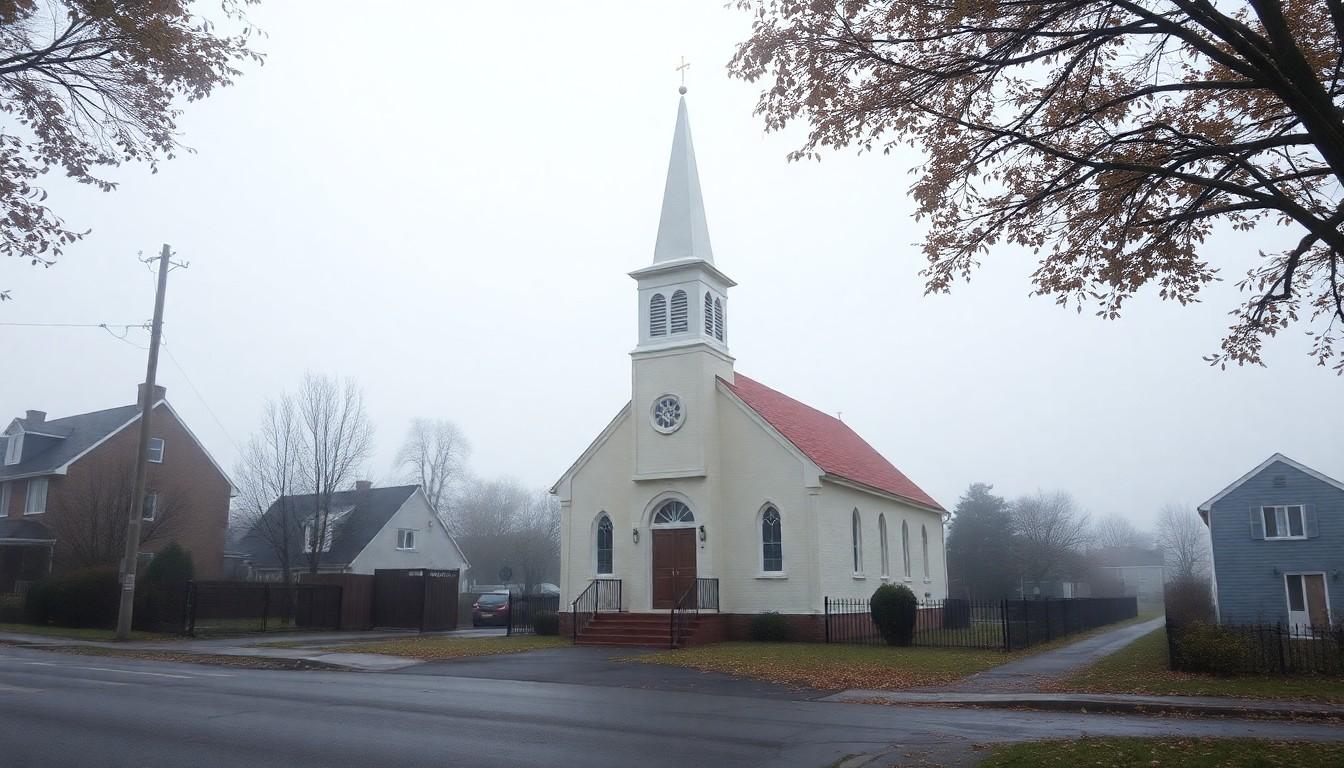
Shoppers of conscience and faith leaders are stepping up: Sacred Worth, Shared Freedom, a new multi-faith statement from the Lavender Interfaith Collective, asks congregations and communities to defend LGBTIQ+ dignity and act , not merely sympathise , at a time when rights and safety are under pressure.
Essential Takeaways
- What it is: A bold, multi-faith call to action affirming the inherent dignity of LGBTIQ+ people and urging protection and advocacy.
- Who’s behind it: The Lavender Interfaith Collective, a coalition of faith leaders and communities committed to interfaith solidarity.
- Why now: Rising legislative and social attacks on transgender and nonbinary youth have made silence tantamount to complicity.
- What it asks: Move beyond welcome statements to concrete practices of protection, advocacy, and solidarity.
- Feel of the statement: Clear, urgent and compassionate , it reads like a line in the sand by people of faith who refuse to let fear prevail.
A timely, brave statement that smells faintly of moral urgency
Sacred Worth, Shared Freedom lands at a fraught moment for queer communities, with trans and nonbinary youth especially in the crosshairs of public debate. The document reads less like a policy paper and more like an urgent invitation , warm, stern and immediate. According to advocates close to the Lavender Interfaith Collective, this is meant to be both theological and practical: a moral frame and a mobilisation tool.
Faith leaders involved say they were moved out of silence by watching young people arrive at congregations unsure whether they'd be welcomed or wounded. That lived reality gives the statement a human texture that academic manifestos often lack, and it explains why the Collective frames action as a spiritual duty rather than optional charity.
Why faith voices still matter in public life
Some argue religion should be private; history suggests otherwise. Faith communities have long shaped moral imagination and public policy, for better and worse. Sacred Worth, Shared Freedom deliberately reclaims that influence, asking whether religion will be used to narrow belonging or to widen it.
The Lavender Interfaith Collective’s approach is familiar to anyone who’s followed recent interfaith advocacy: align theological conviction with civic action. Practically, that means signing the statement, bringing it into sermons and community meetings, and partnering with local LGBTQ groups to protect vulnerable people. That mix of prayer and organising is what many congregations find galvanising.
From welcome to protection: what congregations can actually do
Saying “you’re welcome” is important but no longer enough, the statement insists. Actions include creating safe reporting channels, training volunteers in inclusive pastoral care, lobbying local councils against discriminatory policies, and offering sanctuary when needed. These are practical, often low-cost steps that strengthen trust and safety.
If you lead a congregation, start small: review your safeguarding policies, run a trans-awareness workshop, and make a public commitment to defend local youth. For family members, showing up to school meetings or writing to elected officials can make a tangible difference. The Collective frames these moves as spiritual practice , loving your neighbour by protecting them.
Who’s involved , and what that signals
The Lavender Interfaith Collective gathers leaders across denominations and traditions, signalling a broad-based refusal to let theology be weaponised. People like Rev. Mike Schuenemeyer, who’s worked in United Church of Christ circles and has been publicly active on trans allyship, lend the effort credibility and organising experience.
Coalitions like this also point to a practical truth: cross-faith solidarity makes advocacy harder to ignore in civic moments. When mosques, synagogues and churches speak together, the message travels beyond pews , to schools, councils and the ballot box.
Will it change minds or shore up allies? Expect both
Realistically, a statement won’t transform every opponent overnight. But it can galvanise communities that already value inclusion and give them the language and backing to act. For people on the fence, seeing their faith leaders take a public, moral stand can prompt rethinking. For activists, it provides another lever for local campaigns.
Look ahead and you’ll see this as one node in a broader movement: faith-based endorsements feeding into policy work, school-board advocacy, and public education. If the past is any guide, faith-led moral clarity has toppled unjust laws before , and it can do so again.
It's a small change that can make every pew and playground safer.
Source Reference Map
Story idea inspired by: [1]
Sources by paragraph: