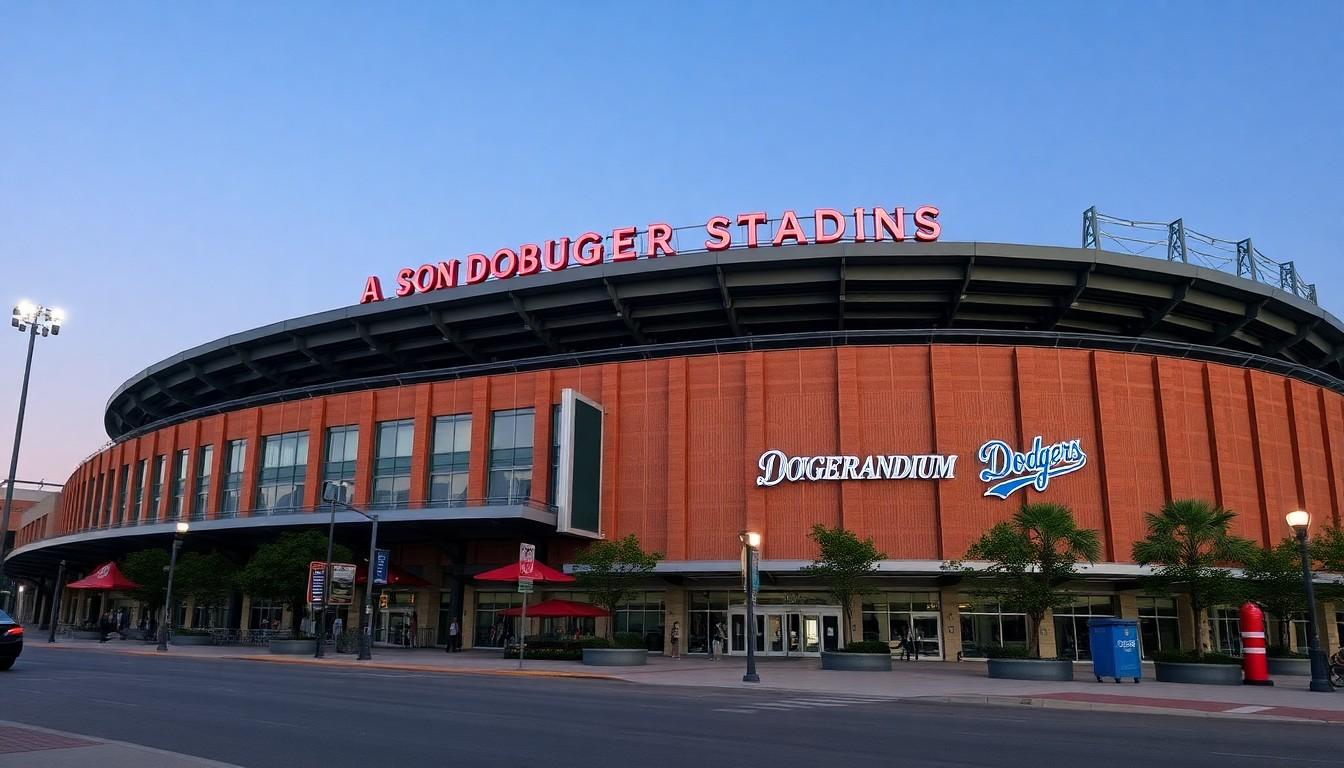
Shoppers and fans alike are watching closely as a handful of Giants and Dodgers players turned Pride nights into controversy, sparking fresh debate about inclusion in Major League Baseball and why visibility on Pride-themed nights matters to queer fans. Here’s what happened, who was involved, and what it means for the sport.
Essential Takeaways
- Who acted: At least three San Francisco Giants pitchers wore caps bearing Bible verses during a Pride celebration, and one player skipped the procession, creating visible tension at Oracle Park.
- Dodgers note: Most Los Angeles Dodgers players wore Pride caps at their event, but relief pitcher Blake Treinen declined, drawing criticism and headlines.
- Emotional impact: LGBTQ fans said they felt unwelcome; the gestures were widely seen as exclusionary rather than neutral expressions of faith.
- Team responses: Both clubs issued statements or staged organised Pride events, but critics say league and club messaging fell short of supporting queer fans.
- Practical fallout: The incidents reignited calls for clearer club policies and smarter fan engagement on themed nights so Pride events remain about celebration, not division.
What actually happened at Giants Pride night , and why it felt jarring
Crowds cheered a rainbow logo and hopeful messaging, then noticed a handful of players wearing caps with Bible verses instead of the Pride design, a choice that landed like a cold gust in a warm stadium. According to reporting in the San Francisco Chronicle and local outlets, pitchers Landen Roupp, JT Brubaker and Ryan Walker each wore caps bearing religious text during the team’s Pride festivities, and another player declined to march in the procession. Fans and LGBTQ advocates said the move read as a deliberate counter-message to the celebration.
Outlets including SFGate and Outsports captured fans’ reactions and the players’ comments. The visual contrast , a colourful sea of Pride gear against plain caps stamped with scripture , was the kind of public moment sports organisations aim to avoid. For queer supporters who turned up to be seen and celebrated, the gesture felt exclusionary, not merely personal.
Dodgers Pride: Mostly supportive, but one refusal widened the spotlight
The Dodgers marked their 13th annual LGBTQ night with most players sporting the themed caps and a clear, inclusive message from the club. The team’s press release highlighted the ongoing partnership with community groups and an emphasis on safety and celebration for queer fans. Yet one voice stood apart: reliever Blake Treinen’s decision not to wear the cap became a headline in its own right.
Outsports and Yahoo Sports reported the split reaction, with many fans defending the right of a player to his beliefs but also reminding readers that a team’s celebratory night is about the people in those stands. The tension illustrates a wider problem for pro sport: individual freedoms versus the responsibility that comes with a platform.
Why these moments matter beyond a single game
Symbols and rituals at sporting events carry weight , they’re part of how fans feel seen. When teams stage Pride nights, they’re making a public commitment to LGBTQ patrons, signalling that ballparks are for everyone. As critics noted in columns and commentary, when a player visibly rejects that symbol it undercuts the event’s purpose and can make fans feel unsafe.
MLB can’t force personal beliefs, and players do have free expression, but clubs can set norms and expectations. Many readers told reporters they want clearer policies or at least stronger leadership that directs themed nights toward inclusion rather than allowing them to become arenas for personal protest.
How clubs and the league are responding , and what they could do better
Teams issued standard statements about inclusion and respect, and the Dodgers’ long-running Pride night shows organisational goodwill. Still, coverage from FanSided and local media suggested fans expected firmer stances. Practical next steps might include opt-out protocols that avoid visible counter-messaging, better communication with community groups before events, and clearer education for players about the impact their choices have on fans.
League-wide, MLB might consider guidelines that balance players’ rights with the integrity of fan-focused events. That could be as simple as uniform options that prevent visual confrontation, or as involved as a code of conduct around themed nights. Many fans said they'd welcome leadership that prioritises safety and belonging in stadiums.
For fans and teams: navigating Pride nights going forward
If you’re heading to a Pride night soon, pick seats near community groups or fan sections where organisers are explicit about inclusivity; that can help you feel supported. Teams should solicit more community input when planning these events and be transparent about how they’ll handle dissenting gestures in public spaces. And if you run into players’ statements that upset you, consider constructive feedback to club channels , teams do listen when sponsors, partners and local organisations speak up.
It’s a small step, but clearer policies and thoughtful event design can keep the focus where it belongs: celebrating fans rather than spotlighting division.
It's a small change that can make every game feel a bit more welcoming.
Source Reference Map
Story idea inspired by: [1]
Sources by paragraph: