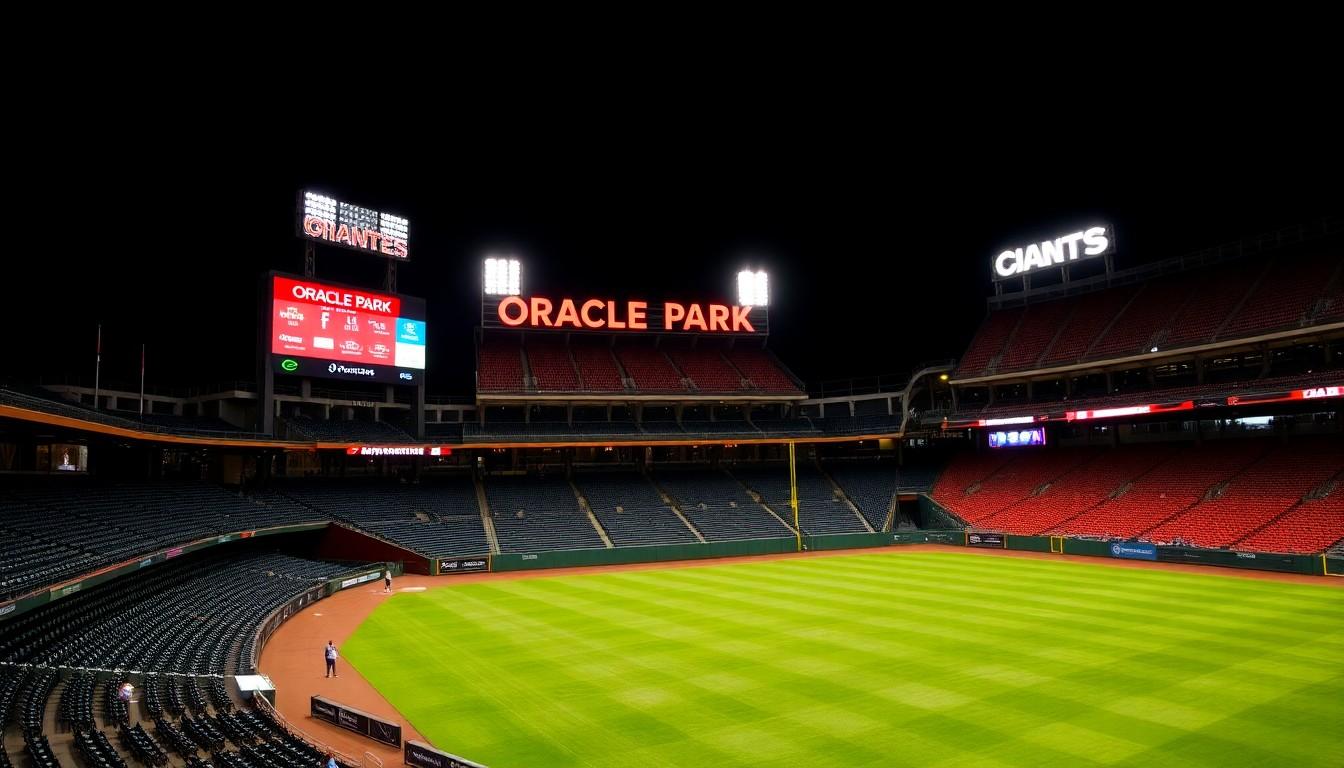
Watch a routine Pride Night at Oracle Park become a wider cultural conversation: players, faith, and fandom collided during the San Francisco Giants’ June 12 Pride celebration, when a pitcher wrote a Bible verse on a rainbow cap , sparking debate about expression, timing and inclusion.
Essential Takeaways
- What happened: A Giants pitcher added a handwritten Genesis reference to the team’s Pride-themed cap during Pride Night, drawing national attention.
- Player intent: The pitcher said the message reflected his Christian faith and was not meant to convey hate.
- Mixed reactions: Some fans saw a harmless expression of belief; others viewed the move as out of step with the event’s purpose.
- Game context: The on-field result , Cubs 5, Giants 1 , was quickly eclipsed by the off-field discussion.
- Bigger picture: The moment highlights how themed games can collide with individual expression in professional sport.
A simple cap, a big reaction , how one line changed Pride Night’s tone
It was meant to be a colourful, community-centred evening: rainbow gear, pregame events and fireworks at Oracle Park. Instead, attention pivoted to a small, handwritten biblical reference on a Pride cap. The visual was quiet but potent, and social feeds filled up fast. According to reporting, the inscription pointed to Genesis and was noticed after the game when photos circulated online.
This moment matters because themed nights are designed to carry clear messages of inclusion; anything that diverts that message instantly becomes news. Fans and commentators compared the physical lightness of a pen stroke with the heavy weight of cultural symbolism. For many, that contrast explains why a seemingly private expression became public debate.
What the player said , faith, not malice
The pitcher involved spoke afterwards, saying his action grew from personal faith and that there was “no hate at all” intended. He framed the verse as a reflection of identity, similar in its personal nature to the identities Pride Night celebrates. Other teammates reacted differently: one reportedly added a similar reference, and another declined to wear the Pride cap at all.
That mix of choices underscores that athletes are individuals with varied beliefs and comfort levels. According to several outlets, the explanation focused on personal conviction rather than confrontation, but timing and context made the gesture subjective in interpretation.
Why Pride Nights feel so charged in sport now
MLB teams routinely host themed games , Pride, heritage nights, military appreciation , and they’ve become part of the season’s rhythm. The Giants, specifically, have a long history of Pride engagement and were among the first clubs to put Pride colours on-field. That legacy means any deviation or unexpected statement during such an event will be scrutinised more closely.
Sports coverage has shifted, too; athletes are now both performers and public figures whose off-field views are amplified. When a visual message conflicts with an event’s intent, it becomes a flashpoint for larger cultural arguments about inclusion, free expression and respect.
Practical view for teams, players and fans
If you’re a team planning a themed night, consider clearer guidelines about on-field gear and messaging to reduce confusion while balancing player expression. Players who want to express personal beliefs might choose times or platforms where context is less likely to be misread. Fans, meanwhile, can expect these nights to continue producing headlines , and to think carefully about whether they read actions as protest, faith or simply personal expression.
The reality is there’s no one-size-fits-all solution: professional leagues must juggle brand messaging, community commitments and players’ rights. Open dialogue before events can help, but split reactions are probably here to stay.
What this tells us about sport and society
One cap and one line from scripture show how sports arenas remain powerful public stages. Symbols, however small, get interpreted through personal histories and cultural lenses, and the result is conversation , messy, earnest and often unresolved. The debate at Oracle Park is likely to echo in future themed events, as teams and players navigate where personal belief and organised messaging meet.
It’s a reminder that sports are about more than results; they’re a mirror of public life, and sometimes a place where society works things out in real time.
It's a small change with a big echo , pick the option that fits your values and keep talking.
Source Reference Map
Story idea inspired by: [1]
Sources by paragraph: