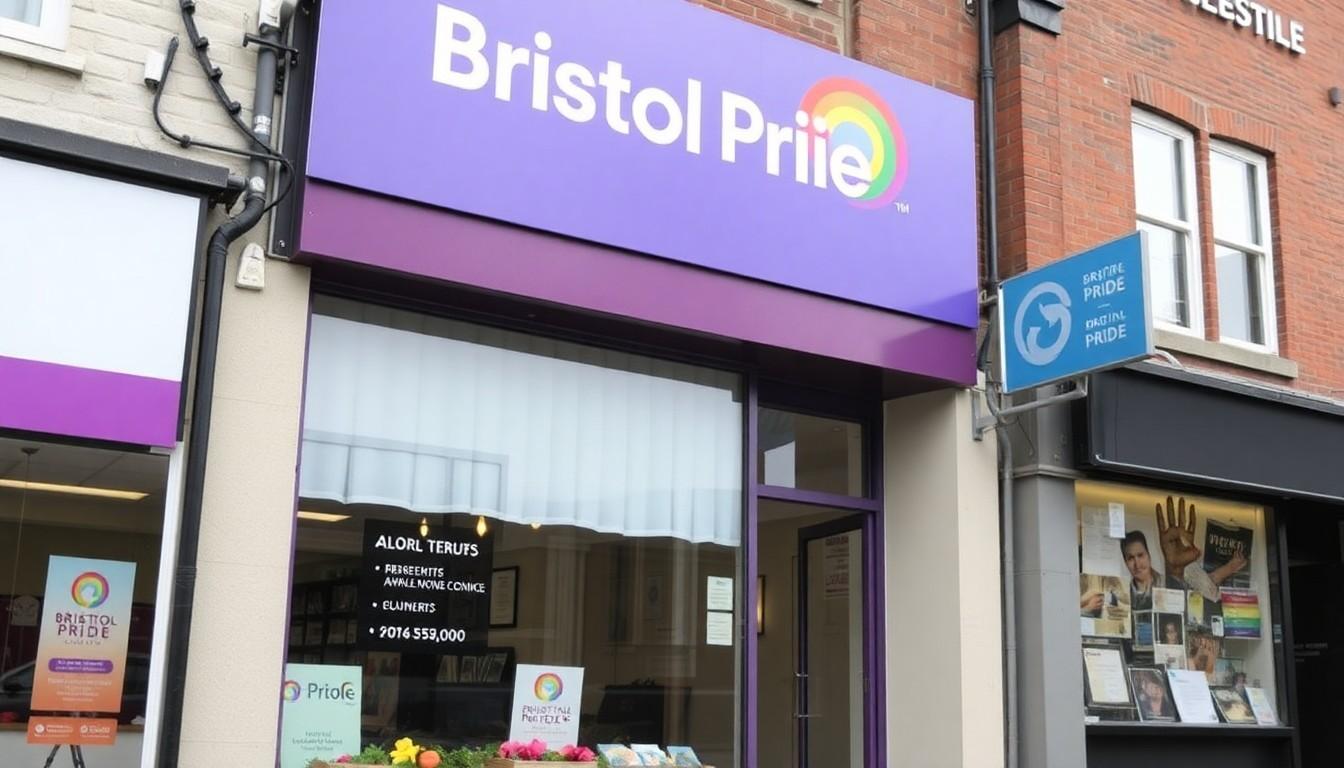
Shoppers are turning out, volunteers are rallying and organisers are warning this is the toughest time yet for Bristol Pride , a small team is keeping a two‑week citywide festival and protest alive amid rising hate, rising costs and political attacks on LGBT+ rights.
- Local surge in hostility: Hate crimes linked to sexual orientation rose sharply in the Bristol region, signalling a harsher atmosphere for LGBT+ people.
- Political pressure: National consultations and rhetoric targeting trans people have made many feel isolated and under threat.
- Bare‑bones operation: Bristol Pride runs on four core staff and volunteers, making the festival a labour of love with a sturdy, grassroots feel.
- Money matters: Costs for staging Pride have jumped , infrastructure and artist fees are higher, while sponsorship and donations have dipped.
- What helps: Showing up, donating, volunteering and backing smaller local Prides are practical ways to keep events and community services alive.
A bleak mood that feels new , organisers speak plainly
Daryn Carter MBE, one of Bristol Pride’s founding directors, says the mood towards LGBT+ people right now is the worst he’s seen in 17 years, and you can hear the weariness in that verdict. According to local reporting, spikes in hate crime and heated national debates have left many community members feeling besieged rather than celebrated. The sense of a city under pressure is vivid: people say they’re more cautious walking down streets they once felt safe in.
This isn’t just feeling , data from the region shows a notable increase in hate incidents linked to sexual orientation, amplifying the personal testimony. That combination of lived experience and statistics makes it harder to dismiss the problem as isolated. For anyone who thought Pride was simply a party, the message is clear: it’s still a frontline for safety and solidarity.
Politics, media and the weaponisation of minority communities
Carter and his team point to a wider pattern where minority groups become scapegoats during hard times, and the LGBT+ community, especially trans people, have been dragged into that crossfire. National consultations and fraught media coverage have helped create a climate where rights and dignity are up for debate in ways that feel personal and punitive.
It’s worth remembering that political cycles often produce distraction narratives , blaming visible minorities for complex social issues is a recurring tactic. For campaigners, that means Pride has dual roles now: celebration and resistance. If you follow national coverage, you’ll spot how policy talks trickle into local attitudes and, sadly, into violence and harassment.
How a tiny team pulls off a big festival
Most readers will be surprised to learn Bristol Pride is organised by a core team of just four people, supported by volunteers and trustees. That lean structure gives the event genuine community roots, but it also leaves it vulnerable when costs climb or sponsor money dries up. The 2026 schedule stretched across two weeks and 35 venues, showing what a small, committed crew can achieve , but it also exposes how fragile festival finance is.
Practical takeaway: volunteer time and in‑kind support (help with stewarding, bar shifts or logistics) go as far as cash. If you want Pride to continue, consider time as currency , small hands on deck make a big difference.
Money: costs are up, sponsorship is down
Organisers say infrastructure and artist costs have surged since pre‑Covid seasons, with some line items up 25 per cent or more and artist fees reportedly tripling in recent years. Brexit and industry shifts mean touring is more expensive, and small regional events have lost major corporate backers as diversity and inclusion work becomes politicised for some businesses.
That squeeze shows up in ticketing changes and appeals for donations , Pride has introduced ticketing where there used to be free entry to help stabilise income. If you’re budgeting for summer plans, a paid ticket or a small donation to your local Pride directly keeps the parade route open and the community programmes running.
Why showing up still matters , practical ways to help
Carter urges people not to give up: attending events, wearing flags, supporting smaller town Prides and calling out prejudice when you see it are all effective. Support can be simple , read up on candidates before elections, defend colleagues online, and offer time or skills to local groups.
Community backing is also preventative: visibility reduces the sense of isolation and sends a clear signal to would‑be abusers that this city won’t tolerate hate. If you want a concrete action, check your local Pride’s volunteering page, buy a ticket, or set up a small monthly donation. It's immediate and it matters.
It's a small change that can make every Pride safer and more sustainable.
Source Reference Map
Story idea inspired by: [1]
Sources by paragraph: