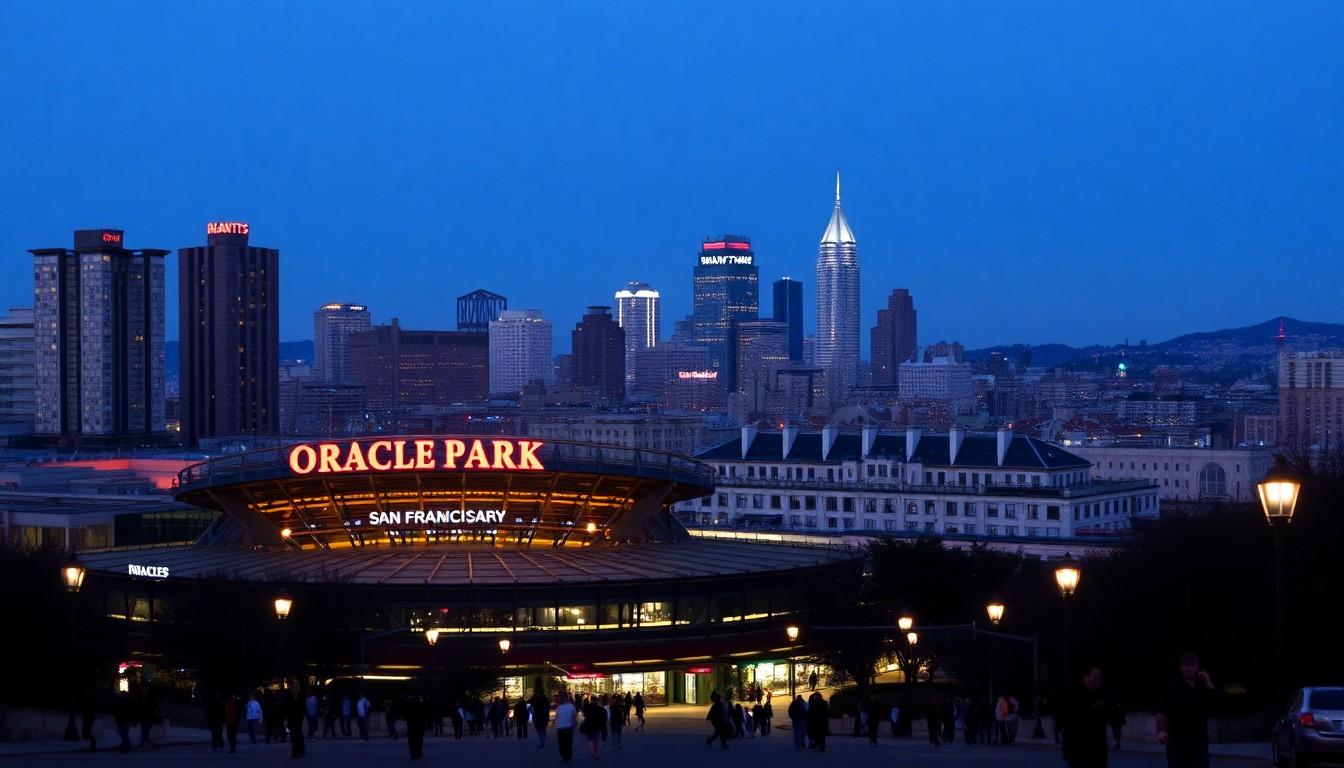
Watch the fallout from San Francisco Giants’ Pride Night, where three pitchers wore rainbow caps but penned Bible verses , a move that left many fans and LGBTQ advocates feeling targeted, confused and, for some, deeply hurt. Here’s what happened, why it matters, and what fans should know.
Essential Takeaways
- What happened: Three Giants pitchers wore the team’s limited-edition Pride caps but wrote variations of Genesis 9:11–16 on them, a gesture many saw as hostile rather than supportive.
- Local context: San Francisco’s deep LGBTQ history made the act feel especially inflammatory to community members and long-time fans.
- Team reaction: One teammate declined the Pride cap and left it at that, underscoring a split in how players handled the event.
- Emotional impact: For many queer fans the rainbow is a symbol of safety and survival; repurposing it for a proselytising message felt like an erasure.
- Practical note: Teams often plan Pride and Faith events separately; fans should expect mixed individual responses and look to club policy for guidance.
What actually happened on Giants Pride Night
The image that caught everyone’s attention was simple and jarring: pitchers wearing the rainbow cap while also inscribing a Bible verse across the bill. It’s a small, visual detail but one with a loud emotional pitch , in a city where the rainbow carries deep, hard-won meaning the choice landed as more than personal expression. Reports noted the specific verse from Genesis, traditionally read as God’s covenant sign, was used in a way that many perceived as rejecting the Pride message.
This wasn’t the only reaction in the dugout. At least one player quietly declined the Pride cap and let the gesture stand unchallenged. That contrast , wear the cap and respect the symbol, or opt out and move on , is what made the trio’s approach feel like an active affront rather than simple non-participation.
Why San Francisco made this a bigger story
San Francisco isn’t just another market; it’s a centre of LGBTQ culture and history. From Harvey Milk to the early activism that shaped modern queer politics, the city’s relationship with the rainbow is civic as well as personal. When athletes in that stadium used the symbol to promote a religious message during Pride Night, it landed as an appropriation of a symbol many see as emblematic of safety, solidarity and remembrance.
Outlets covering the moment framed it as more than a clubhouse disagreement , they pointed out how the timing, place and inscription together amplified hurt. Fans and queer advocates reminded readers of painful chapters in history, and why symbols matter when communities are still healing.
Religion, free expression and clubhouse etiquette
Teams increasingly try to accommodate individual beliefs while staging themed nights , Pride, Faith Day, Military Appreciation , and that creates inevitable tensions. According to local coverage, the Giants have separate events planned for faith communities later in the season, which suggests the franchise recognises different groups’ needs.
That said, players wearing team merchandise at a themed event are part of the show. So when someone uses that platform to make a theological point, it’s not purely private expression. That’s why critics argued the move crossed a line; supporters of the players might say they were expressing sincere belief. The practical takeaway for clubs: clearer guidelines and dialogue before themed nights can prevent moments that alienate fans.
How fans and clubs can respond constructively
If you’re a fan feeling hurt, there are small, constructive steps you can take. Reach out to the club’s fan relations team, support in-stadium Pride initiatives, or join local groups that work with teams to shape inclusive programming. Clubs, meanwhile, can publish clearer expectations for player conduct during themed nights and offer optional alternatives , like wearing a neutral pin or participating in a non-branded way , to avoid forcing a symbolic clash.
There’s also a simple social rule: if you’re on a public-facing platform representing a team at a community night, consider whether your message amplifies or undermines the event. Intent matters, but so does impact.
What this means going forward
Expect louder conversations about how sports teams handle identity nights. Media coverage has already compared this moment to previous Giants Pride milestones and noted the awkwardness of mixing faith messaging with a solidarity event. The episode is likely to prompt other clubs to think harder about policy, education and pre-game briefings.
For fans, it’s also a reminder that symbols aren’t neutral when they carry history. Some players will decline themed items politely, others will participate in ways that make sense to them. But when a symbol is repurposed in a way that hurts, the dialogue that follows can be an opportunity , if handled with care , to rebuild trust.
It’s a small moment with a lot of echoes; how clubs and communities respond will tell us whether the lesson has been learned.
Source Reference Map
Story idea inspired by: [1]
Sources by paragraph: