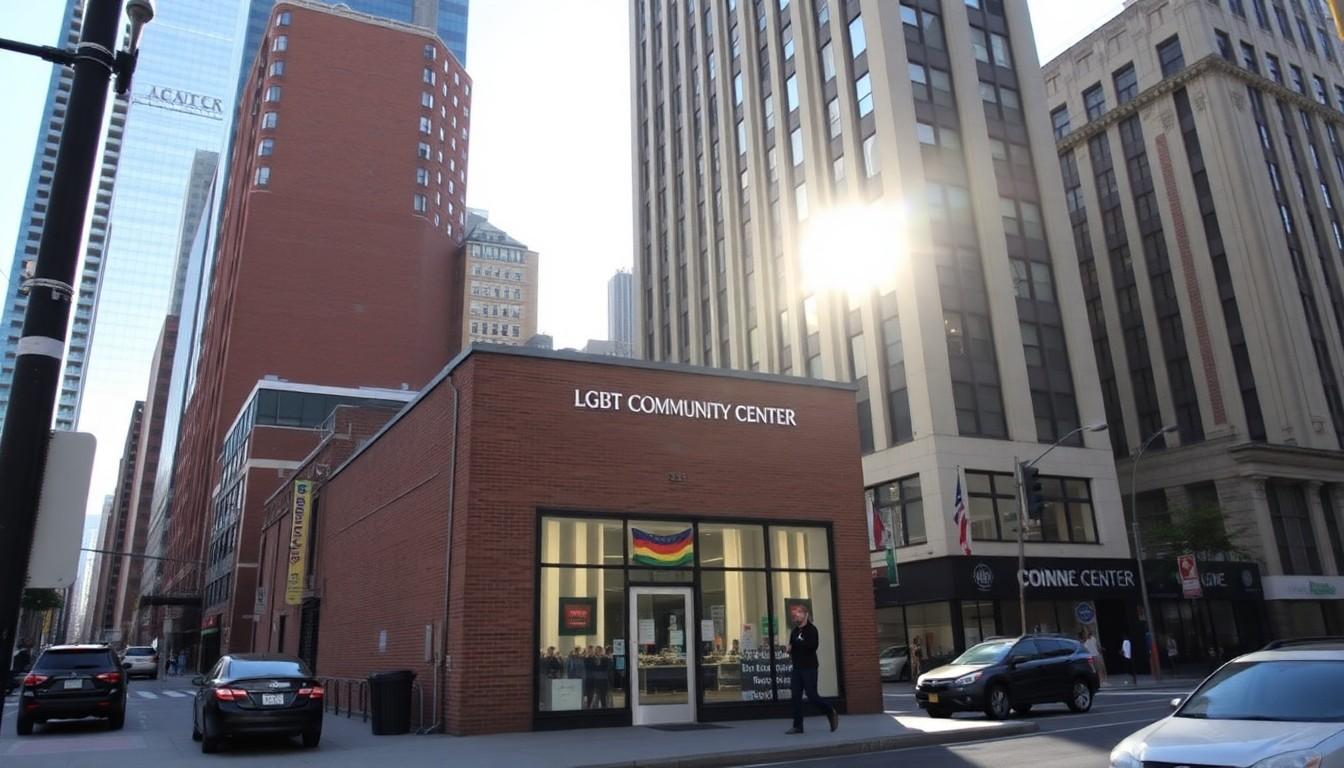
Shoppers and supporters cheer at parades, but organisers say behind-the-scenes pressure is real: local Pride centres and volunteer groups across New York are seeing demand spike for counselling, housing help and youth services while funding streams become more complicated and less certain.
Essential Takeaways
- Rising demand: Smaller groups report client numbers doubling or tripling this year, increasing pressure on volunteer teams and basic services.
- Diverse funding mix: Some centres rely mainly on private donations and corporate sponsors, while others lean on federal grants and housing dollars.
- Services at stake: Mental healthcare, case management and supportive housing are the programmes feeling the strain.
- Tough choices coming: Organisations say they may shift services or sources of support if government rules or donor priorities change.
Why Pride parties hide a service crisis
Pride parades look colourful and carefree, but organisers warn that the party can mask a much grimmer reality: people still need basic support, and more of them are turning up for help. According to local leaders, youth programmes, counselling and housing referrals have surged, and volunteers are stretched thin. The contrast is striking , celebrations on the streets, waiting lists in the office , and it helps explain why donations matter beyond confetti.
Backstory: many community centres grew from volunteer energy and have expanded services faster than budgets. Practical tip: if you want to help, consider a regular donation rather than a one‑off , predictable income makes it easier for groups to plan staffing and rent.
Who pays for what , private donors, sponsors, and the federal safety net
Not every Pride centre follows the same financial script. Some, like the larger regional centre, report being “on target” thanks to private donations and corporate partners that underwrite operations. Others depend on federal housing and health programmes to run supportive housing or HIV services. That mix can be a strength, but it also creates vulnerability when policy shifts.
Context: when federal rules about housing or diversity funding are in flux, organisations that rely on those streams can see their whole model threatened. Practical insight: boards should map their income by source and scenario-plan for sudden cuts.
Newer groups feel pressure first , volunteers carrying a heavy load
Volunteer-run collectives that started in the last few years are often the first to reach breaking point. A Troy-based volunteer group launched in 2023 says client referrals have tripled in months, yet it’s still run by unpaid staff and small grants. That growth is good , it shows real need is being met , but it’s also precarious when there’s no budget to hire caseworkers or secure a base.
Comparison: established centres may have fundraising pages, donation portals and volunteer handbooks to recruit and retain helpers, whereas newer outfits often rely on festival income and ad hoc sponsorship. Tip: small groups should prioritise modest, fundable services with clear outcomes to attract local grants.
Housing is healthcare , and policy shifts could force painful trade-offs
Organisations providing supportive housing say proposed federal changes could force them to convert long-term placements into short-term transitional units. That would be a seismic shift for people who depend on stable homes to manage health conditions. Leaders face brutal questions: do they limit new admissions, or commit to time-limited stays that could leave people homeless again?
Reaction: staff time spent rewriting policies and applying for alternative funds is time not spent with clients. Practical advice: push for local advocacy, document client outcomes, and partner with other social services to build a safety net if federal support wobbles.
Reputation and fundraising , where to draw the line on donors
When money is tight, organisations often face uncomfortable choices about funding sources. Some leaders say they won’t denounce donors from the community, even when contributions carry strings, because services must keep running. That pragmatic stance invites debate about mission integrity versus immediate client needs.
Insight: transparent donor policies and community conversations can help. If you manage a centre, publish a short, clear donations policy and involve members in tough calls , it builds trust and avoids surprise controversies later.
Practical ways readers can help right now
If you want to make a difference beyond liking a Pride post, small actions add up. Regular small donations, monthly volunteering, sponsoring an outreach shift, or helping with skills-based support like grant writing and accounting all make an organisation more resilient. Local shopping or corporate matching programmes also amplify impact.
And finally, support for advocacy matters: when federal or local rules change, elected officials listen more when constituents speak up.
It's a small change that can make every service last a little longer.
Source Reference Map
Story idea inspired by: [1]
Sources by paragraph: