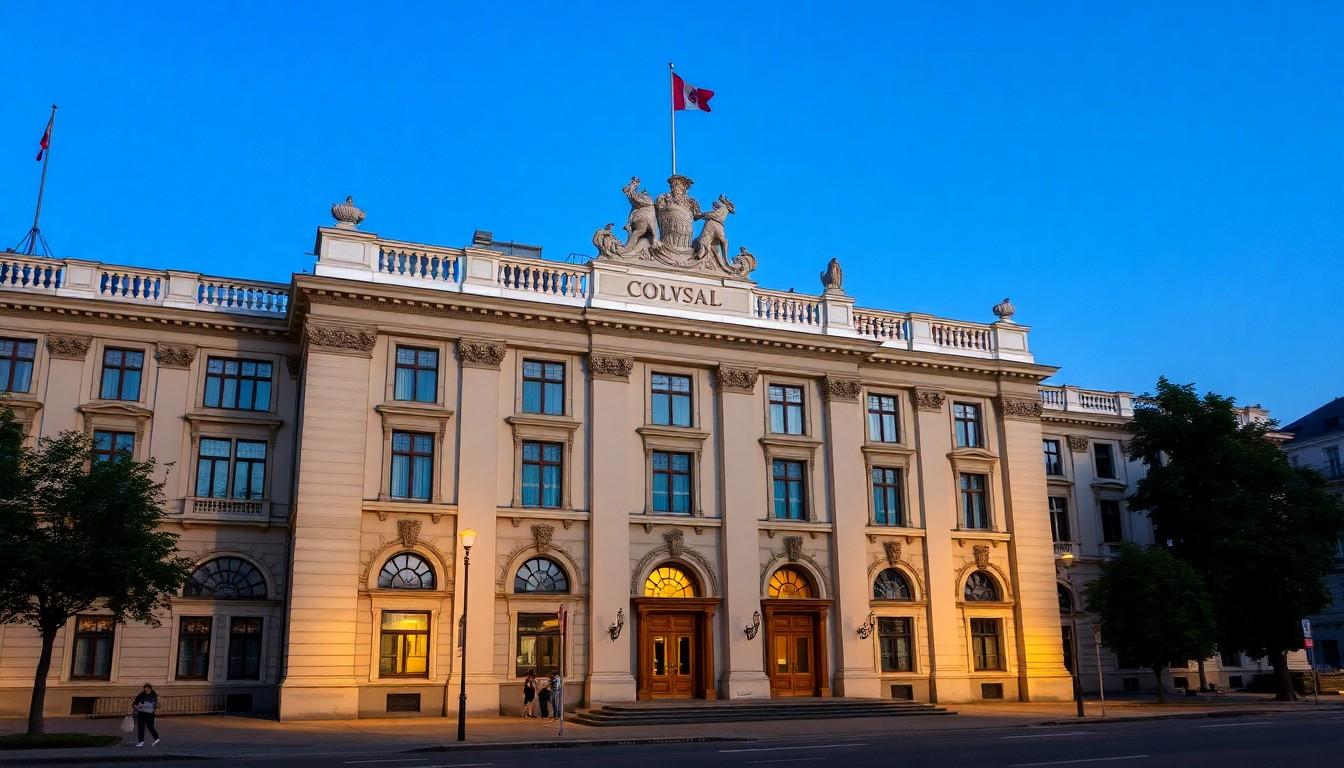
Shoppers and city-watchers are noticing a shift: Vienna has almost halved municipal funding for Pride events, and organisers warn the change affects more than party plans , it touches visibility, safety and long-term equality work in the Austrian capital.
Essential Takeaways
- Budget drop: Vienna cut Pride funding from €651,000 in 2025 to roughly €350,000, a near‑half reduction that organisers call significant.
- Organisers worried: HOSI Wien and Vienna Pride leaders say cuts are “frustrating” and risk undermining protection and visibility for LGBTQ+ people.
- Program impacts: Reduced grants have already forced changes to Festival plans in previous years, including cancelling or shrinking Pride Village-style elements.
- Political signal: Funding decisions are read as more than bookkeeping , they send a message about municipal priorities on human rights and equality.
- Practical effect: Smaller budgets mean fewer free services, less outreach and tougher sponsorship hunts, which can affect marginalised visitors most.
Why the cut matters , visibility, safety and more than a parade
The starkest fact is simple: the city’s funding for Pride has been slashed to about half its earlier level, and you can feel it in the plans. Organisers say the loss isn’t only financial; it chips away at visibility and everyday protection for queer communities, especially those who rely on public programmes and free events. For many attendees, the festival’s presence in public space is a practical reassurance as much as a celebration.
Historically, Vienna has supported Pride not just as a cultural event but as a civic statement. When grants shrink, so do the visible symbols , stages, support hubs, outreach booths , that make a large festival feel inclusive and safe. If you’ve ever noticed how a rainbow flag on a town hall makes a queer person relax, that quiet emotional effect is one of the things at stake.
How organisers have reacted , frustration and tough choices
Leaders like Ann‑Sophie Otte of HOSI Wien have been vocal: cuts are frustrating and should be rare. That reaction has a practical spine. In years past, limited funding forced organisers to cancel components such as Pride Village, a hub popular for activist stalls, information services and quieter spaces for newcomers or families.
Organisers now face tradeoffs , reduce the scale of free community services, accept more commercial sponsorship (and the compromises that come with it), or scale back the march infrastructure that keeps large crowds safe. None of those choices is ideal, and they’ll shape who the festival feels designed for next time.
The political angle , what the city’s choice signals
Money talks in politics, and cuts to human‑rights events look like policy choices as much as balance‑sheet entries. Opposition voices and green politicians have pointed out that the question of financing remains open and contested. For activists, municipal funding is a baseline: it shows that the city stands behind equal rights even when budgets are tight.
If funding becomes inconsistent, community groups lose not only cash but also the steady platform to push for long‑running change. That’s important in a city where Pride has functioned as both celebration and political pressure.
Practical fallout , what attendees and small groups may notice
Expect fewer free services, smaller information tents and less capacity for child‑friendly or quieter spaces that make the festival accessible. Smaller charities and grassroots groups, who rely on modest municipal grants to staff stalls or run workshops, may skip the event or turn to ticketed activities to survive.
If you plan to attend, look out for changes in programming and consider donating to community stalls or buying from small vendors. For groups planning events, start sponsorship conversations early and consider low‑cost digital outreach as a stopgap.
Looking forward , resilience, reinvention and local support
Even with tighter budgets, Pride in Vienna won’t simply vanish; organisers and communities are resourceful. That may mean more partnerships with small businesses, creative in‑kind support, or leaner, high‑impact programming that focuses on core services rather than spectacle. It could also prompt renewed political campaigning for reliable funding streams.
Still, the underlying point remains: municipal support does more than pay for stages. It underwrites a visible promise that the city values equality. Losing that is a small but meaningful shift in how safe people feel on the street.
It's a small change that can make every celebration and outreach count , or not.
Source Reference Map
Story idea inspired by: [1]
Sources by paragraph: