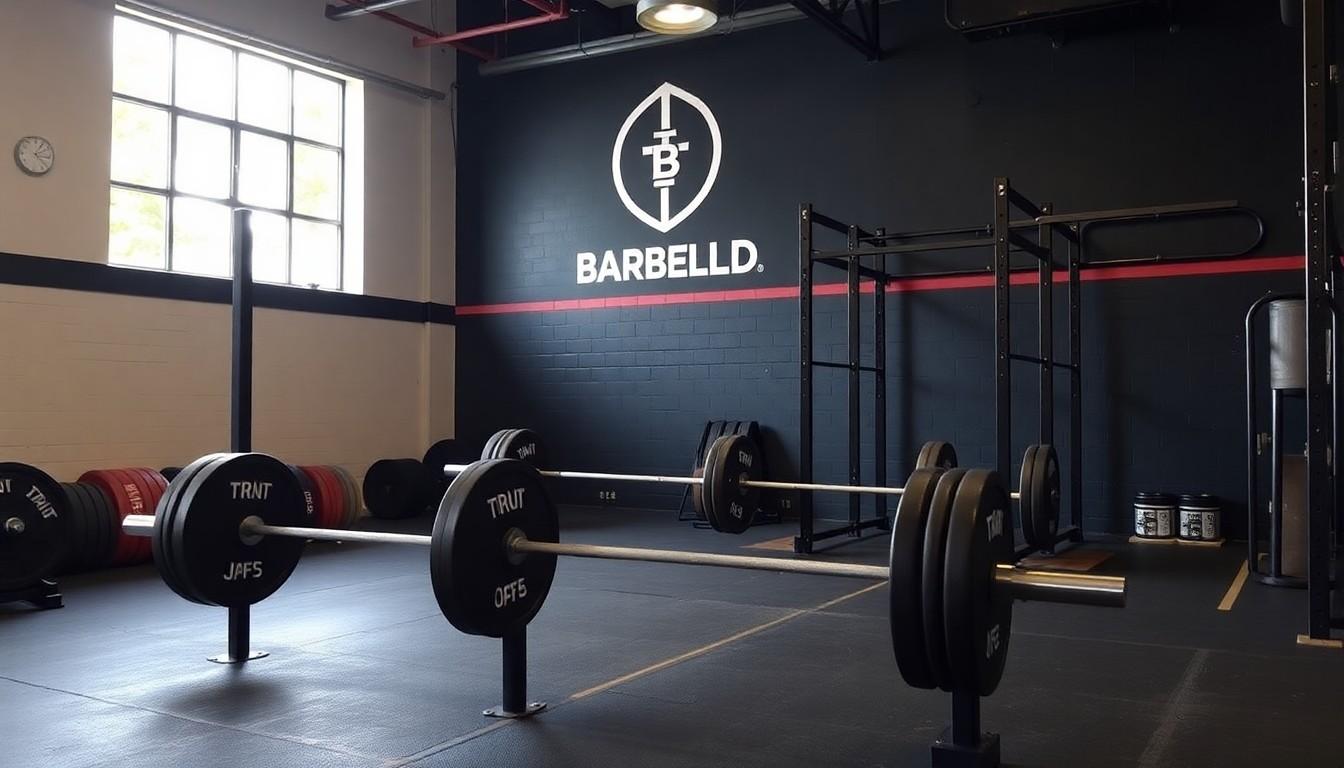
Shoppers and readers are discovering how strength sports are more than fitness , they’re places to rebuild confidence, community and bodily trust. One trans writer’s journey from body dysmorphia to powerlifting and Strongman shows why inclusive gyms matter, and how lifting can turn anger into agency.
Essential Takeaways
- Community uplift: Strength spaces that welcome Trans+ and queer people often offer a warm, practical support network, not just coaching.
- Physical empowerment: Learning compound lifts builds functional strength , things like carrying a partner or moving furniture feel easier and more reliable.
- Mental reset: Strength training helps restore body awareness and reduces anxiety about movement; the gym becomes a place of quiet evidence that the body can be trusted.
- Political headwinds: Policy moves and high-profile bans keep trans athletes visible in debates, making inclusive local spaces even more crucial.
- How to start: Choose coached, judgement‑free settings, focus on basic lifts, and scale loads progressively to avoid injury and sustain progress.
Why strength sports can feel like home , and why that matters
There’s a warm, imperfect joy to watching someone add weight to a bar and beam at a new personal best, and that’s exactly the feeling many trans lifters report. According to community coaches and trainers, gyms that proactively welcome queer people create a low‑drama place to practise being embodied again. The sensory detail matters: the solid clang of plates, the snug wash of breath after a heavy rep, the satisfying ache that proves work was done.
Backstory matters here. For many trans people, medical transition eases gender dysphoria but doesn’t automatically fix years of body mistrust bred by skinny culture, dysmorphia or social scrutiny. Strength training provides a tangible curriculum , squat, bench, deadlift , that teaches the body to move with confidence. Trainers at inclusive clubs say clients often report improved posture, steadier balance and a clearer internal map of where their limbs are.
If you’re weighing options, community is as important as programming. Look for gyms that advertise queer‑friendly classes, staffed coaches who understand Trans+ needs, or grassroots spaces tied to local LGBTQ groups. Those places tend to be quieter on judgement and louder on practical help.
How lifting rebuilds trust in a very physical way
There’s a tiny, powerful proof in picking up a heavy object and doing it safely; it recalibrates what your body is capable of. Strength coaches note this all the time , clients who used to over‑monitor their every move learn to feel and then trust their bodies through progressive loads and consistent practice. That sensory feedback , a stable stance under the bar, a controlled descent and a powerful lockout , becomes the new evidence against body doubt.
Practical insight: start light and learn technique before chasing big numbers. A coach can teach joint‑safe patterns that transfer straight into daily life, so you don’t just get stronger in the gym, you get stronger on the stairs, in the garden and in caregiving tasks. For anyone carrying extra anxiety around their shape, those practical wins feel like small daily victories.
Inclusive gym cultures: what to look for and why they help
Not all gyms are equal. Spaces that are explicitly queer‑friendly, or run by community initiatives, tend to offer better psychological safety , clearer bathroom policies, staff training on pronouns and firm intolerance for harassment. According to trainers who champion inclusivity, these practical measures keep people returning and progressing.
Look for places that host coached group sessions labelled as trans‑friendly, or that belong to networks promoting safe spaces. If you can, visit at quieter times to test the vibe, or ask about staff training before signing up. A welcoming gym might be the difference between practising alone and finding the sort of friendship circle that keeps you accountable.
The politics on the stage , and why local spaces matter more than ever
High‑profile rulings and bans keep the headlines hot, from cycling federations restricting categories to global bodies narrowing eligibility. Reuters and Axios‑style reporting has shown that policy shifts can ripple down to make local athletes anxious about competing or even training publicly. That political pressure is a reminder that while elite sport debates rage, grassroots gyms are where most people actually repair their relationship with their bodies.
Science is part of the argument too. Analyses published in mainstream science coverage argue against claims of inherent, blanket advantages for trans women, while other outlets document the practical reasons federations are tightening rules. Either way, the practical takeaway for everyday lifters is to find places that put safety and dignity first, and to keep sight of personal goals rather than headline noise.
Simple steps to get started safely and sustainably
Begin with technique before load. A few coaching sessions to learn hip hinge, bracing and squatting will save you weeks of frustration and reduce injury risk. Prioritise compound moves , squat, deadlift, bench press or their variations , because they build transferable strength for life tasks, from carrying shopping to lifting a partner.
Tune into recovery: sleep, protein and gradual progression are as important as the set‑and‑rep structure. And if public gyms feel intimidating, try community initiatives or queer‑run training sessions first; they often offer a gentler introduction and peer support that keeps you coming back.
Strength training changed one trans writer’s life not because it erased the politics, but because it gave them physical tools, friends and the quiet proof that the body belongs to them. That combination is powerful.
It's a small change that can make every lift, and every day, feel a bit more possible.
Source Reference Map
Story idea inspired by: [1]
Sources by paragraph: