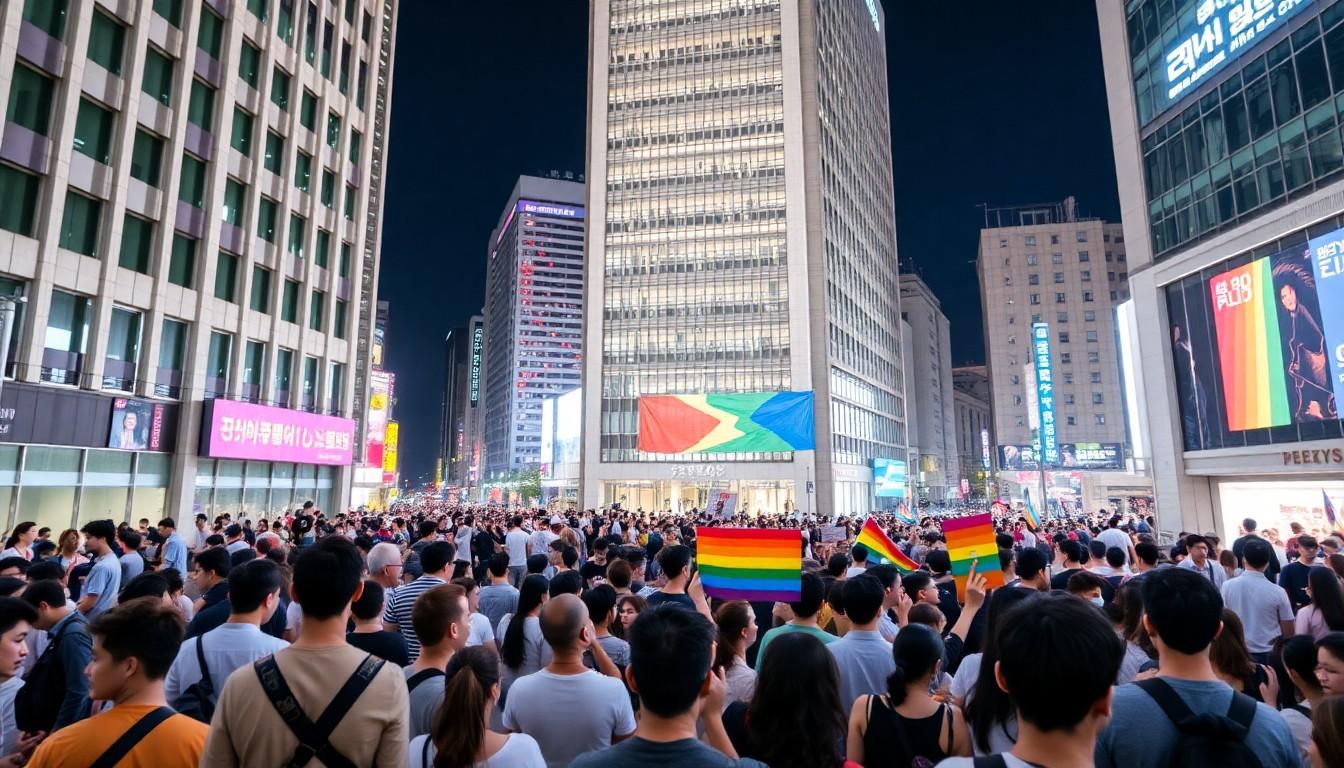
Shoppers are turning out, activists are marching, and tens of thousands filled central Seoul for the city’s biggest Pride yet , a vivid, noisy display of queer life that matters because legal protections still lag behind the celebration. Here’s what to know about the festival, the politics and what comes next.
Essential Takeaways
- Large turnout: Tens of thousands attended Seoul Pride on a blazing day, with rainbow flags, drumming troupes and visible joy.
- No legal safety net: LGBTQ+ people in South Korea still lack comprehensive anti-discrimination protections and same-sex marriage remains unrecognised.
- Political headwinds: Seoul’s mayor has restricted the festival’s traditional site; conservative groups and counter-protesters remain vocal.
- Signs of progress: A recent court decision recognised a same-sex couple as a protected legal union and the national government has quietly added groundwork for an anti-discrimination law to its policy list.
- Emotional scene: Parents offered free hugs, some attendees wept, and many described Pride as the one time they can fully show who they are.
What the streets looked like , loud, bright and unbowed
The opening image you’d remember is colour and noise: rainbow flags snapping in a clear sky, drums keeping a steady pulse, and people laughing and dancing with a relieved, unguarded energy. The crowd felt celebratory and tactile; parents handed out hugs, and the air carried the odd whiff of street food and sunscreen. According to coverage, the scale of attendance put Seoul among Asia’s larger Pride gatherings and underscored how visible queer life has become even where legal recognition lags.
The legal picture: symbolic wins, big gaps remain
On paper, homosexuality isn’t illegal in South Korea, but legal protections are thin. A recent Seoul court ruling that recognised a same-sex couple as a protected legal union offered a rare judicial advance , a practical step that can affect inheritance, housing and other disputes. Meanwhile, same-sex marriage still isn’t recognised and a comprehensive anti-discrimination bill has been blocked in parliament for nearly 20 years. That disconnect , culture’s visibility versus legal invisibility , is the tension driving many of the festival’s chants and banners.
Politics and place: why Seoul Plaza matters
Seoul Plaza was Pride’s traditional home for nearly a decade, but under the city’s mayor, the square has been off-limits for four years. The mayor’s public comments against homosexuality and his recent re-election show how city-level politics shape where and how Pride is held. Organisers moved the event and booths elsewhere, yet diplomatic missions and civil society groups still turned up, signalling support even if civic space has been partially curtailed.
Culture vs. conservative backlash: two powerful currents
South Korea’s pop culture exports , films, dramas and music videos , have exported queer imagery globally, even as domestic debate remains fraught. Conservative religious groups, though a minority, wield outsized influence and organised visible counter-protests near the festival, complete with hymn-blasting trucks and denunciations of homosexuality. That clash matters because it shapes parliamentary behaviour: minority protections are routinely treated as politically dangerous by many lawmakers.
What activists and attendees said , small moments, big meaning
People at Pride described it as the one time they could fully show who they are. Some still hide their identities from family, others only come out to trusted friends. Parents of LGBTQ+ children offering free hugs added a tender, human counterpoint to political sloganeering , a reminder that these debates have real costs and comforts. Activists argue companies that sponsor Pride events overseas often stay silent at home, exposing a gap between global branding and local responsibility.
How this could move politics , cautious optimism
There are signs of movement: the government has quietly listed groundwork for an anti-discrimination law among national policy tasks, and courts are occasionally recognising queer relationships in ways that chip away at legal invisibility. But shifting entrenched political alliances and conservative influence will take time. For now, Pride in Seoul is as much protest as party , a visible, joyful insistence that the city’s queer community exists and deserves protection.
It’s a small change that can make every march matter; keep an eye on court rulings and parliamentary moves if you want to see how the next chapter unfolds.
Source Reference Map
Story idea inspired by: [1]
Sources by paragraph: