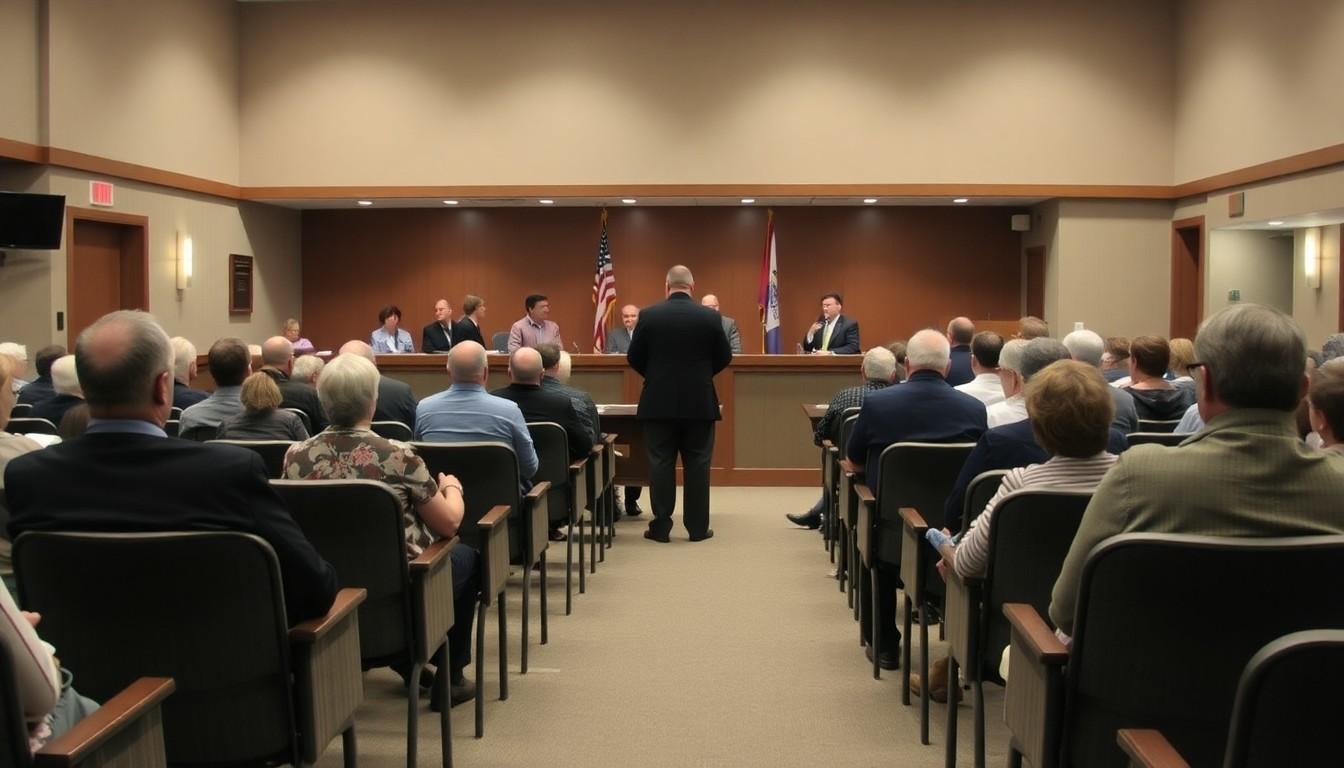
Remembering a moment that stirred Fargo: in 1984 Mayor Jon Lindgren’s proclamation of Gay-Lesbian Pride Week ignited protests, debate and a quieter reckoning about visibility, rights and civic recognition , a local story with lasting relevance for how communities acknowledge minority groups.
Essential Takeaways
- Bold civic move: Fargo Mayor Jon Lindgren proclaimed June 25–July 1, 1984, as Gay-Lesbian Pride Week, a formal recognition that surprised many residents.
- Immediate backlash: City hall phones rang with complaints and protesters planned to confront the city commission, signalling sharp local opposition.
- Local advocates spoke up: Lenny Tweeden and other community members pushed for recognition to highlight discrimination and contributions.
- Mixed official response: Some commissioners criticised the move as political, while others saw it as routine mayoral recognitions and a reflection of community diversity.
- Historical aftertaste: The proclamation helped start conversations that would influence Fargo’s LGBTQ visibility and activism in the decades after.
Opening hook: a quiet proclamation that felt like a bomb
When the mayor’s desk produced a simple line declaring a week of recognition, phones at city hall lit up and people queued to protest , the reaction was immediate and emotional, a mix of anger and disbelief. According to local reports, the mayor’s signature on Gay-Lesbian Pride Week felt to critics like a civic gesture that crossed into culture-war territory. For supporters, it was a long-overdue nod to residents who’d been living with discrimination and silence.
How the proclamation came about, and who pushed for it
Local gay community spokesperson Lenny Tweeden said he asked Mayor Jon Lindgren to sign the proclamation, and that Lindgren helped draft the wording. The aim, Tweeden told reporters at the time, was to acknowledge the contributions of gay and lesbian residents to Fargo’s economic, social and cultural life. That grassroots request and the mayor’s willingness to act set the stage for an unusually public debate in an otherwise conservative Midwestern city.
The pushback: public protest and civic procedure
Residents contacted the city en masse, and one local, Glenn Knudson, planned to ask the city commission to rescind the proclamation and require future proclamations to have commission approval. City commissioners splintered , some argued the mayor had overstepped and that the city should avoid recognising “sexual preference,” while others noted the mayor frequently signed proclamations for many groups. The row exposed a deeper question: who speaks for a city, and how should elected officials balance symbolic gestures with perceived public opinion?
Why the proclamation mattered to LGBTQ people in Fargo
For advocates, the proclamation wasn’t just a piece of paper; it was visibility and validation. Tweeden and others stressed that local gays and lesbians faced employment discrimination and social ostracism, and a public recognition by City Hall offered a measure of protection and dignity. Years later, that first week is remembered by activists and chroniclers as a catalysing moment that encouraged organising and public advocacy in the Fargo–Moorhead area.
What this moment tells us about civic recognition and progress
The 1984 controversy is a neat example of how symbolic acts can become flashpoints, forcing communities to reckon with who’s included in the civic story. Some officials worried about politics and controversy; others treated the proclamation as routine recognition. In practice, the episode nudged Fargo toward more visible conversation about equality, and it illustrates how small acts by local leaders can have larger cultural consequences.
It's a small civic drama that helped open the door to broader conversation , and a reminder that acknowledgement often precedes change.
Source Reference Map
Story idea inspired by: [1]
Sources by paragraph: