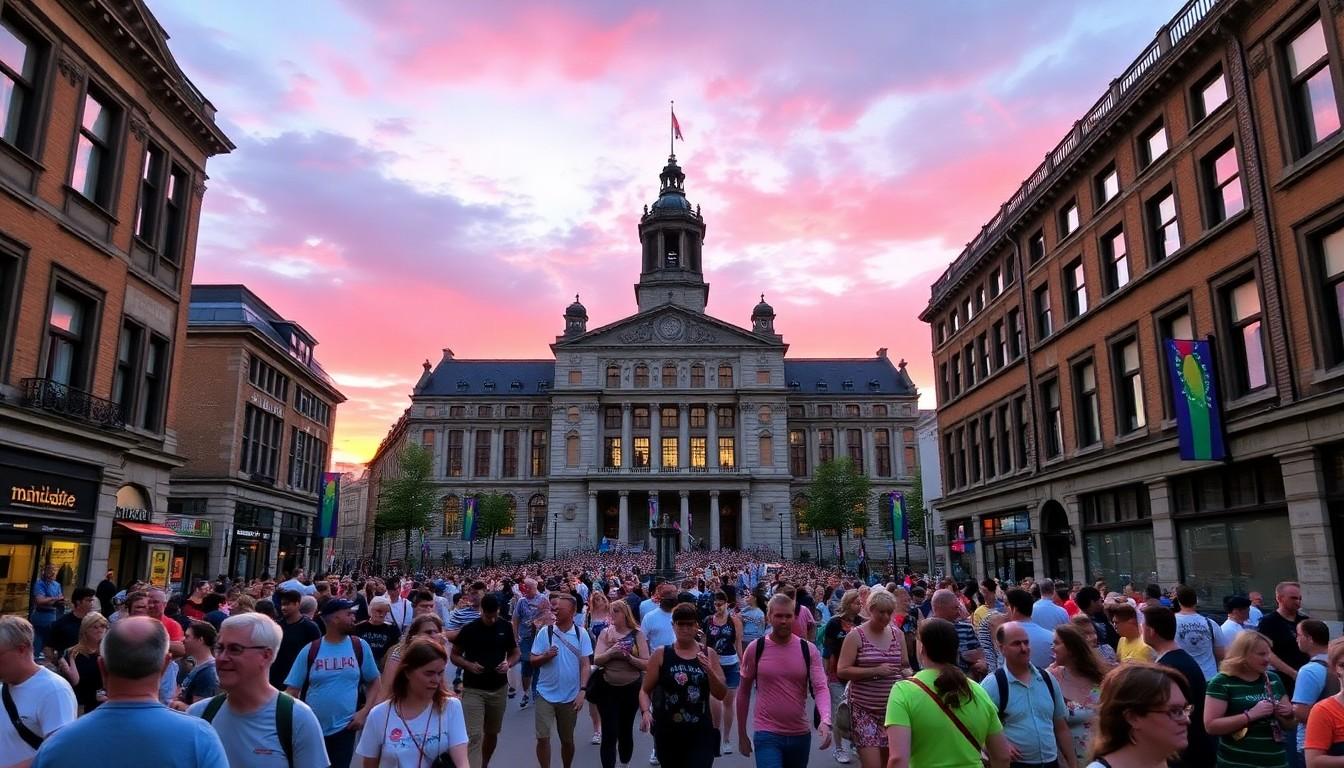
Shocked organisers and local leaders are pushing back after St Helens’ Reform-led council pulled all support for Pride, and Manchester LGBTQ+ groups say the story matters far beyond Merseyside , visibility, safety and solidarity are at stake. Here’s what happened, why it matters and how communities are responding.
Essential Takeaways
- What happened: St Helens’ Reform UK council leader withdrew council funding and engagement for Pride events, citing objections to “celebrations of sexuality” and concerns about transgender issues.
- Community response: Manchester Village Pride, Sparkle and other groups issued rapid statements defending Pride as identity and safety work, not just parties.
- Local context: Manchester is reasserting its role as a hub for LGBTQ+ culture as Pride events reorganise after recent changes to Manchester Pride.
- Practical impact: Cuts to civic support don’t stop Pride, but they can limit access, safety measures and community outreach , and organisers warn misinformation fuels prejudice.
- Mood on the ground: Many feel steely and resolute , disappointed, but mobilised, with solidarity across city boundaries.
What St Helens’ council actually did and why it landed hard
The Reform UK leader in St Helens instructed officers to stop engagement and pulled all financial backing for Pride, framing the move as a question of council priorities and concerns about transgender ideology. ITV reported the move quickly, and the announcement has since sparked anger and disbelief among LGBTQ+ organisations. For many, it wasn’t just about a budget line , it felt like an erasure of civic recognition for a marginalised community. For locals and nearby cities, that emotional sting matters as much as the practical loss.
Manchester groups’ statements: Pride is about identity and safety
Manchester Village Pride’s Dr Carl Austin-Behan and Sparkle’s trustees responded publicly, stressing Pride’s role in identity, community and protection as much as celebration. Their messaging underlines that Pride gives visibility to people who face discrimination, provides a safety net for those isolated at home, and educates the broader public. As Scene and Attitude covered the reactions, organisers emphasised that the fight for rights remains ongoing, even in places that feel progressive.
Why this matters beyond one council chamber
Cuts like this are a bellwether, not an isolated event. LocalGov and other outlets note that when civic support is withdrawn, events lose insurance, stewarding and accessible programming , the parts that make Pride safe for families, older LGBTQ+ people, and trans communities. Meanwhile, misinformation and culture-war rhetoric can translate into higher hate-crime risk. That’s why Manchester leaders were quick to voice solidarity: city officials want to show that acceptance isn’t uniform and needs defending.
How Manchester’s Pride scene is changing , and why that helps
Manchester’s LGBTQ+ calendar has been in flux after last year’s Manchester Pride administration woes, but the city’s community stepped up to refocus the event and return it to local hands. ITV previously reported on Pride’s planned return to the Gay Village, and this year organisers are explicitly framing Pride as citywide and community-led. That shift makes events less vulnerable to single points of failure and underscores grassroots resilience when council backing gets shaky elsewhere.
What organisers and visitors can do now , practical steps
If you want to help, consider these simple actions: donate to local groups running Pride, volunteer as a steward, sign petitions that protect inclusive civic events, and amplify factual messages about trans people to counter misinformation. For attendees, check accessibility and safety arrangements in advance and support smaller community-led fringe events , they often need the most help and have the biggest heart. Solidarity in practice can fill gaps councils create.
It's a small change that can make every Pride safer and more inclusive.
Source Reference Map
Story idea inspired by: [1]
Sources by paragraph: