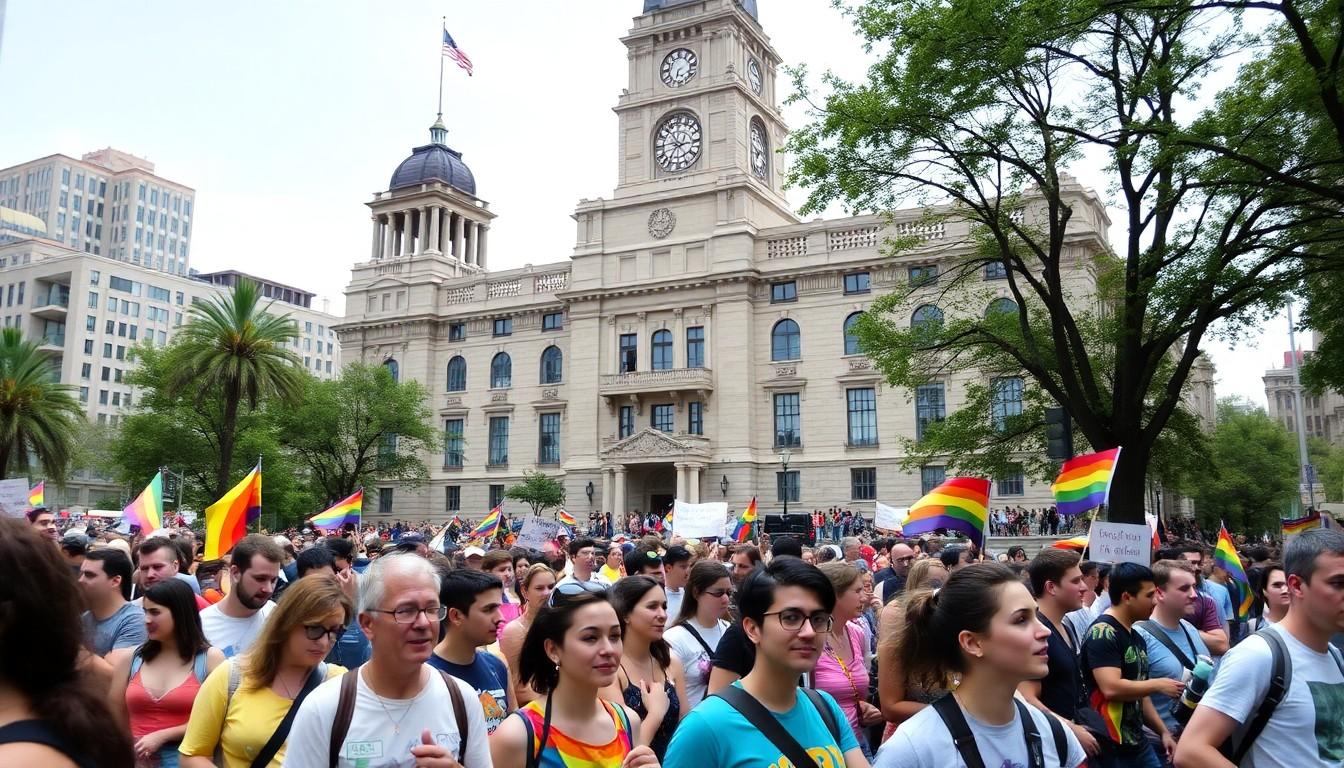
Shoppers, neighbours, families and activists are turning to Pride events as powerful public reminders that equality still needs work; millions attend parades and marches worldwide to mark history, demand rights, and celebrate identity, making Pride month a visible, vital ritual for LGBTQ+ people and allies.
Essential Takeaways
- Historic roots: Pride in June commemorates the 1969 Stonewall uprising and early marches that followed, giving the movement a clear origin and emotional texture.
- Global spread: Pride went from a handful of cities to hundreds worldwide, adapting to local politics and cultures while keeping a common message.
- Human-rights framing: High-level declarations and policies have reframed LGBT rights as human rights, strengthening international advocacy.
- Everyday importance: Pride isn’t just parties; it’s protest, remembrance, community-building, and a public safety signal for marginalised people.
- Practical benefit: Attending or supporting Pride helps visibly counter stigma, connect grassroots organisers, and keep pressure on institutions to protect rights.
Why June? A month shaped by history and memory
June became Pride month because the Stonewall uprising erupted at the end of June 1969, and early organisers turned that shock and anger into annual commemorations. The day-to-day detail matters: parades and marches evolved from protest into both celebration and political theatre, with parades offering a sensory mix of colour, noise and communal relief. Britannica and History note how those first commemorations set the calendar and tone that many cities still follow. If you’re wondering why Pride is in summer, that’s the simple, living reason, it's a seasonal remembrance turned global tradition.
Pride grew from riot to worldwide movement
What began as marches in a few US cities soon travelled across borders, adapting to local struggles and laws. The Council on Foreign Relations explains how organisers borrowed tactics, symbols and music, so Pride now looks different in Tokyo, São Paulo or Warsaw, but serves similar purposes: visibility, solidarity and political pressure. That global spread means Pride can feel triumphant and risky at once, some places treat it as a carnival, others as a bold act of defiance. When you choose which events to attend, look at local context: some marches prioritise protest; others focus on education or health services.
Pride as human-rights work, not only celebration
Public declarations by leaders and policy shifts have mattered. As the Obama White House memo from December 2011 shows, framing LGBT protections as human-rights obligations elevated the conversation internationally. That shift has practical consequences: human-rights framing makes it easier to ask governments and agencies to act, and it gives activists a language to challenge laws and abuses. So when you go to Pride, you’re joining a tradition that connects glitter to policy and rallies to legal fights.
Pride still combats real harms and exclusion
Pride isn’t a luxury for communities that face violence, discrimination and erasure; it’s a survival tool. Psychology Today and LGBTQ advocacy groups emphasise Pride’s role in mental-health support, community care and reducing isolation. For many people, seeing a parade, a resource stall or a local support group can literally change their sense of possibility. If you care about safety, check which Pride events offer wellbeing services, quiet zones or family-friendly programmes, small practical choices can make events inclusive.
How to show up thoughtfully this Pride
Not all Pride is the same, so be intentional. Support grassroots groups financially, volunteer at community tables, and respect local leadership, especially trans and BIPOC organisers who often face the most risk. If you’re attending, bring water, wear sun protection, and know where first-aid and quiet spaces are. If you’re celebrating from home, amplify local charities and local queer artists instead of just buying corporate merchandise. Thoughtful solidarity keeps Pride rooted in the people it’s meant to uplift.
It's a small change to see Pride as both party and pressure; showing up matters in different ways where rights are under threat.
Source Reference Map
Story idea inspired by: [1]
Sources by paragraph: