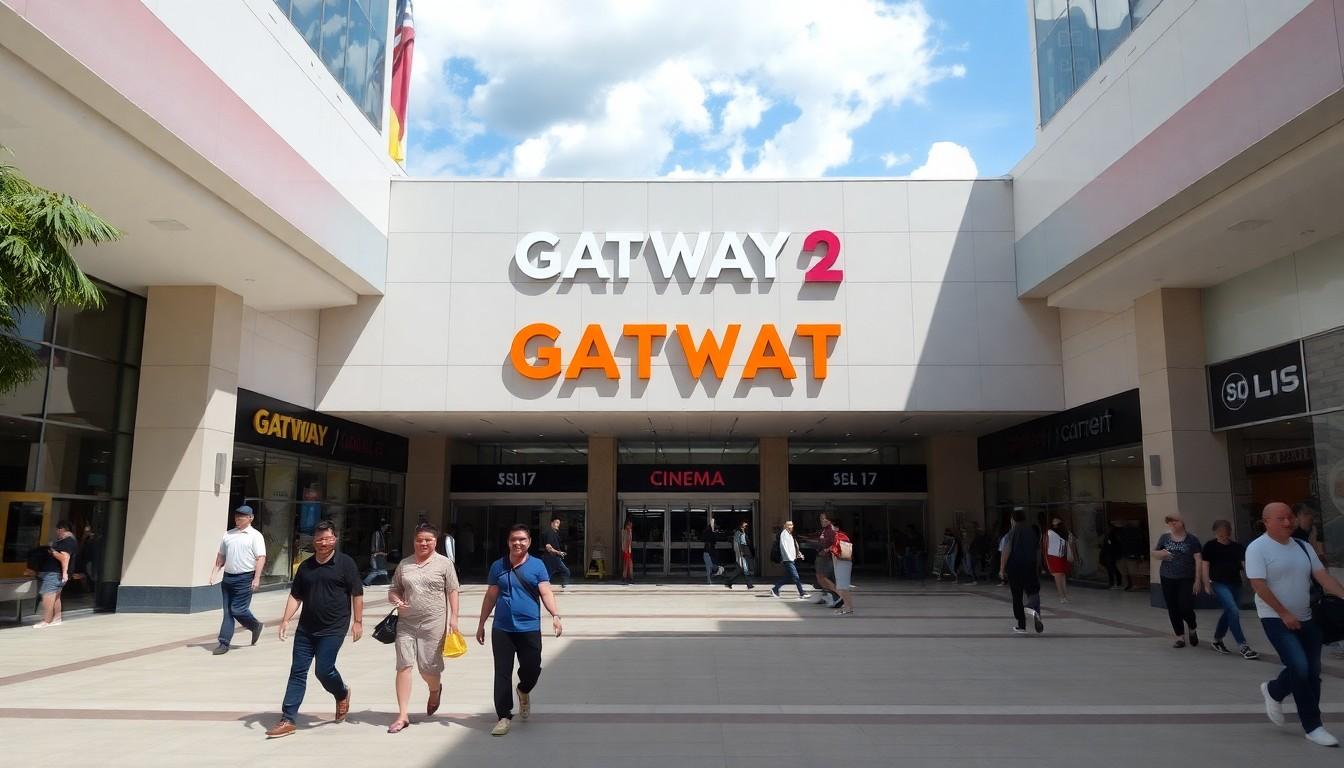
Shoppers of stories and queer cinema fans are flocking to Quezon City this June as QCinema’s Pride edition screens seven acclaimed LGBTQIA+ features from nine countries, offering a vivid mix of romance, thriller, animation and classic comedy , and a welcome moment to celebrate diverse queer voices on the big screen.
Essential Takeaways
- Festival dates and venue: QCinema Pride runs June 24–26 at Cinema 17 and Cinema 18, Gateway Mall 2, Cubao, Quezon City, with tickets via festival channels.
- Seven features: The programme pairs new festival winners with a beloved mainstream classic, spanning drama, thriller, animation and comedy.
- Standouts to watch: Iván and Hadoum (Berlinale Teddy winner), Dreamboi (Philippine award-winner), Trial of Hein (Teddy Jury Award).
- Emotional range: Films move from neon-lit obsession and tender romance to tense identity trials and irreverent sci‑fi humour, offering both challenge and comfort.
- Cultural breadth: Works hail from Spain, Germany, Belgium, the Philippines, South Korea, Australia, Japan and the US, reflecting global queer storytelling.
A bold opening night: Iván and Hadoum brings a quiet, aching chemistry to the screen
QCinema opens with Iván and Hadoum, the Teddy Award winner from Berlinale, and it’s a film you’ll feel more than see at times , humid greenhouse air and the subtle ache of longing linger after the credits. According to festival notes, Ian de la Rosa’s story of a trans man and his Moroccan‑Spanish co‑worker examines class, migration and masculinity with a restrained, immersive eye. It’s co-presented by Instituto Cervantes for a single screening, so if you want the communal experience of that slow, shifting intimacy, plan ahead. For viewers choosing seats, aim for the middle rows: the film’s small gestures read best from a few metres back.
Dreamboi returns home: Philippine cinema’s erotic, neon‑lit psychological drama
QCinema marks the theatrical return of Rodina Singh’s Dreamboi, a local pick that won nine prizes at CineSilip 2026 and brings Quezon City’s nocturnal glow to the festival programme. The film follows a trans woman drawn into obsession with an underground audio porn performer, a premise that turns eroticism into a study of yearning and identity. Local audiences may recognise streets and sounds; international viewers will appreciate the film’s texture and mood. If you prefer films that push boundaries and blur fantasy and reality, Dreamboi promises a provocative evening , and it’s a reminder that queer cinema here is daring, tender and unmistakably of the city.
Trial of Hein asks hard questions about community and memory
Another Berlinale winner, Trial of Hein, stages a slow‑burn moral drama on a remote island where a returned man faces a village that won’t accept him. Kai Stanicke’s film, recipient of the Teddy Jury Award, forces audiences to confront identity, memory and social exclusion in an almost theatrical test of truth. It’s the sort of film that sticks in your head; viewers often report a quiet unease and then a long discussion afterwards. If you’re after cinema that invites debate and discomfort in equal measure, put this screening on the must‑see list.
3670 and Tiger: displacement, secrecy and moral complexity from Asia
Park Joon‑ho’s 3670, a Jeonju prizewinner, charts a North Korean defector’s first tentative steps into South Korea’s queer community, offering a tender, often heartbreaking portrait of loneliness and chosen family. It’s the kind of small, intimate drama that rewards patient viewing and a willingness to sit with silence. Japanese filmmaker Anshul Chauhan’s Tiger, meanwhile, brings a thriller’s taut edge, following a gay masseuse whose family dispute spirals into darker moral territory. Both films point to a trend in Asian queer cinema: stories that pair social realities with personal stakes, asking how people hold on to themselves when everything else is at risk.
Lesbian Space Princess and The Birdcage: levity, colour and queer mainstream legacy
QCinema balances the heavy with humour and spectacle. Lesbian Space Princess, an animated sci‑fi comedy from Emma Hough Hobbs and Leela Varghese, is loud, bright and gleefully queer , perfect if you want to leave the theatre smiling. The film’s award haul across festivals shows audiences love its irreverent tone and vibrant animation. And then there’s The Birdcage, Mike Nichols’ 1990s classic. Even decades on, the Robin Williams–Nathan Lane vehicle remains a warm, sharp satire about performance and family expectations. Screening it alongside newer festival fare is a clever curatorial move: you see how queer stories evolve while also recognising the films that opened mainstream doors.
Why this Pride edition matters , and how to make the most of it
QCinema’s Pride edition is a tidy, carefully curated snapshot of contemporary queer filmmaking: global in reach, varied in form, and attentive to both trauma and joy. Ed Lejano, the festival’s artistic director, frames the programme as a response to growing appetite for queer stories , and the choice to mix festival darlings with a mainstream classic makes for an accessible, conversation‑friendly weekend. Practical tips: check screening times and buy tickets early for the single‑show presentations; bring a friend to the more provocative titles for post‑screening chatter; and, if you’re new to festival cinema, start with the lighter slots like Lesbian Space Princess or The Birdcage before diving into the denser dramas.
It's a small festival with a big emotional range , a great chance to see current queer cinema in a shared room.
Source Reference Map
Story idea inspired by: [1]
Sources by paragraph: