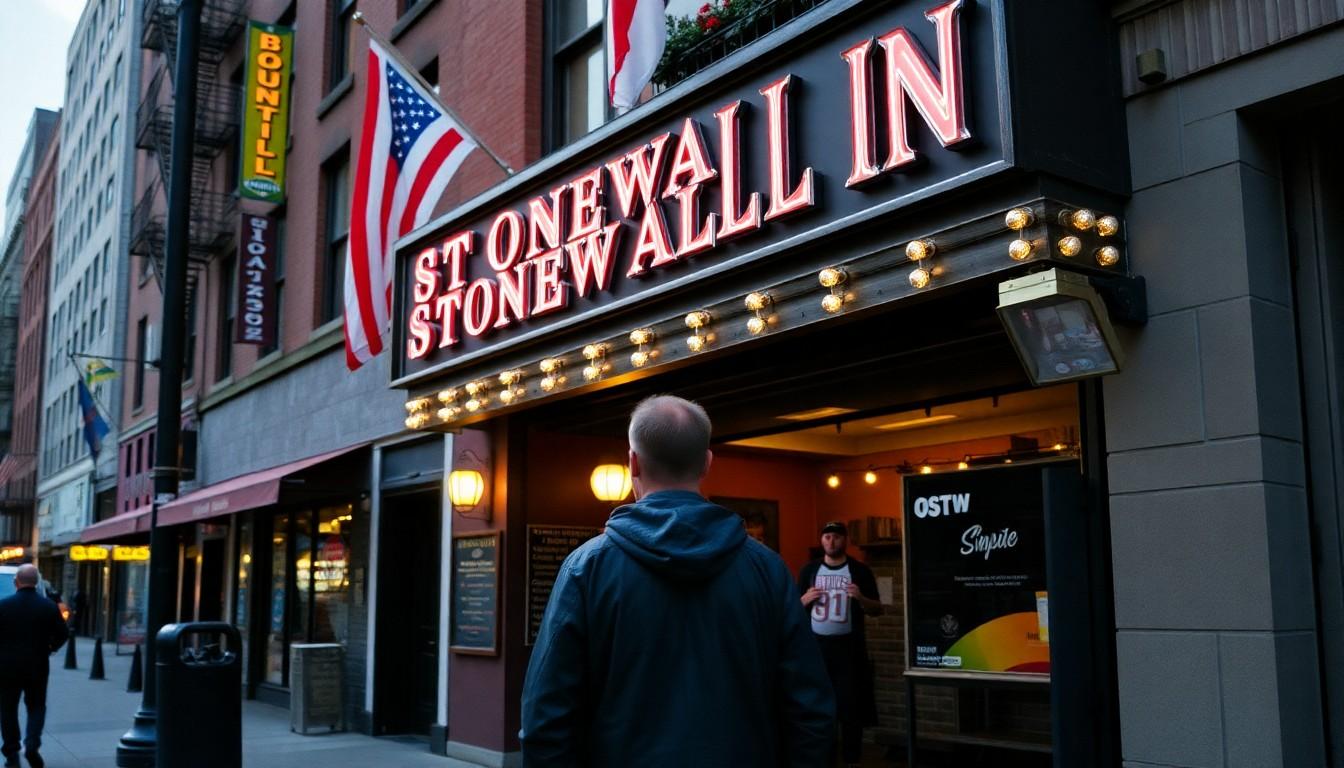
Shoppers and passers-by have watched Pride grow from clashes outside a dim bar into colourful streets full of families, allies and music; this piece traces who, what and why Pride matters today, from Stonewall’s shock to Bucharest’s bright marches.
Essential Takeaways
- Historic spark: Stonewall Inn in New York is widely cited as the ignition point for the modern LGBTQ+ rights movement after the June 1969 riots.
- From riot to ritual: The first anniversary march in 1970 became the template for annual Pride parades around the world.
- Cultural reach: Films and books , from Brokeback Mountain to Call Me by Your Name , have helped normalise queer stories and humanise struggles.
- Local change: Bucharest Pride grew from hostile beginnings into a civic event where young people, families and allies walk together.
- Why it matters: Pride mixes celebration with a demand for safety, dignity and legal rights; it’s both emotional and practical.
Where a bar became a turning point
On a humid night in Greenwich Village the Stonewall Inn felt cramped and tense, but it was one of the few places people could relax and be themselves. According to Britannica and PBS, a police raid on 28 June 1969 provoked a spontaneous resistance that lasted several nights and shocked a generation. The sensory detail sticks , the noise of the streets, the smell of the city, the raw anger turned to defiance. That reaction was the crucial pivot from private suffering to public protest, and it changed the conversation about queer rights.
From protest to parade: how marches became memory and hope
A year after Stonewall, small groups marched through New York to mark their resistance, not yet knowing they'd launched a global tradition. Britannica notes that those first marches fused remembrance with a demand for visibility. Over time the ritual of an annual Pride has become both a commemoration and a celebration , a way to say “we were here, we will stay” while also inviting people to join in. It’s a movement that uses spectacle and solidarity to do political work.
Culture caught up: films and books that reshaped public feeling
Cinema and literature often trail social change, but sometimes they propel it. Films such as Brokeback Mountain, Milk and Moonlight brought intimate, human stories to mainstream audiences, while novels from André Aciman to James Baldwin offered deeper, quieter reckonings. Those narratives softened perceptions, gave language to private feelings and made it harder to dismiss LGBTQ+ lives as mere politics. When people see themselves reflected on screen or page, empathy follows , and that helps create safer streets.
Bucharest’s Pride: stubborn courage becomes civic ritual
Not every city took kindly to the idea of public marches. As Cotidianul recounts, early attempts to hold Pride in Bucharest met insults, threats and hostility. Yet activists persisted and, year by year, attendance grew. Today Bucharest Pride draws young people from schools, allies who walk with friends and even families. That shift shows how visibility can translate into community , and how parades can play an educational role in a city still working through acceptance.
How to understand and support Pride today
Pride is both joyful and political; that duality can be confusing for newcomers. Think of it like this: the colours, music and dancing are the invitation, while the banners and speeches are the policy ask. If you want to be supportive, show up with curiosity rather than assumptions, listen to local organisers about safety and consent, and consider practical help , donating time or funds, or amplifying messages online. Small acts of solidarity make public space safer for everyone.
It's a small change that can make every march mean more.
Source Reference Map
Story idea inspired by: [1]
Sources by paragraph: