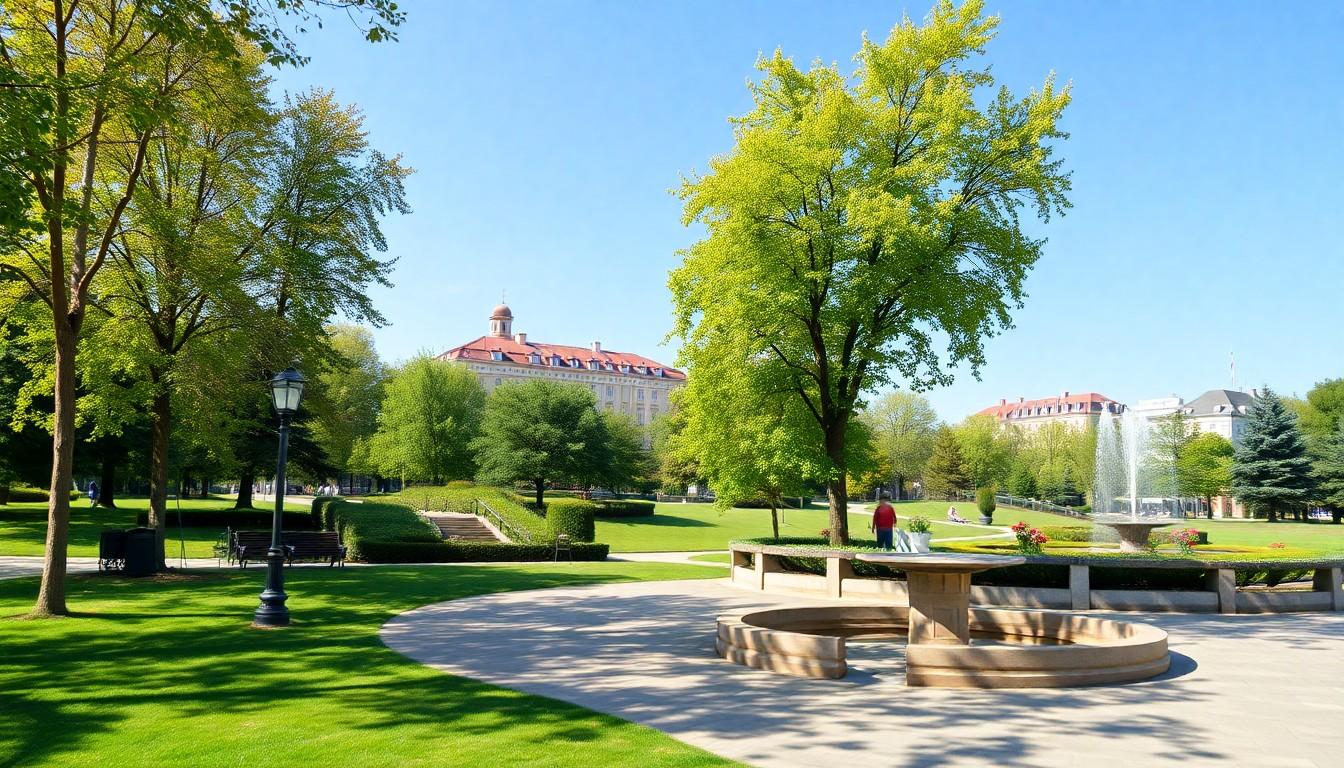
Watch Warsaw come alive: organisers, participants and visitors are turning out for Parada Równości, a colourful, purpose-driven Pride march that leaves from Park Świętokrzyski and winds through the city , here’s what to expect, why it matters and how to take part safely.
Essential Takeaways
- Start point: The march begins at Miasteczko Równości in Park Świętokrzyski beside the Palace of Culture and Science, setting off at about 14:00.
- Route highlights: Participants follow Świętokrzyska to Krakowskie Przedmieście, Miodowa and Senatorska, cross Plac Bankowy and return via Marszałkowska to the starting point , expect a lively city-centre route.
- Key demands: The parade’s official list calls for anti-discrimination protections, marriage and adoption equality, trans rights for medical and legal recognition, and stronger hate-crime safeguards.
- After-party and culture: From around 16:00 the Miasteczko Równości hosts performances and attractions , family-friendly and community-focused, with stalls, music and talks.
- Patrons and context: The event carries the patronage of Warsaw’s mayor, Rafał Trzaskowski, the European Commission and the German and Mexican embassies, and forms part of Poland’s Pride Month activities.
Where the march goes and what the streets will feel like
The parade launches from the Miasteczko Równości in Park Świętokrzyski, a visual, open-air starting point near the towering Palace of Culture and Science. Expect a bright, loud atmosphere , banners, flags and music set the tone right away. Organisers map a route through some of Warsaw’s most recognisable arteries, deliberately passing symbolic civic sites. That route means easy access for spectators and gives demonstrators good visibility downtown. If you’re watching, bring a small foldable chair or a rainproof layer; the central streets can get packed and changeable weather is part of the day.
What organisers are demanding and why those demands matter
The parade reads as both celebration and political platform: calls for legal marriage equality, partner recognition and adoption rights sit alongside specific trans-rights reforms to streamline medical and legal gender recognition. Organisers also push for tougher measures against hate speech and hate crimes, and for better public education on LGBTQ+ issues. Those demands matter because Parada Równości is not just a party , it’s a channel for policy change. According to the parade’s official materials, the event aims to bring public attention to gaps in Polish law and to press institutions for concrete reforms.
Who’s backing the event and the broader Pride Month context
This year’s march has visible civic and diplomatic support: Warsaw’s mayor Rafał Trzaskowski is a patron, alongside the European Commission and the embassies of Germany and Mexico. That kind of endorsement raises the event’s profile and offers political cover for participants and allies. June is Pride Month across Poland too, with concerts, workshops and local marches running throughout the month. The parade in Warsaw, held annually since 2001, has grown from a small protest to a large-scale civic event that draws tens of thousands, including people who aren’t part of the LGBTQ+ community.
Practical tips for attendees and allies
If you plan to join the march, arrive early to find a meeting spot in Miasteczko Równości and to pick up maps or programme leaflets. Wear comfortable shoes and a small rucksack for water, sun protection or a waterproof. If you’re marching with banners, make them light and secure , the route involves several long stretches of walking. Spectators should check public-transport updates: main tram and bus lines around Świętokrzyska and Marszałkowska may be rerouted. If you need quieter spaces, organisers usually list family or calmer zones in the festival area.
Safety, community spirit and what happens next
Organisers place a strong emphasis on safety and on countering hate speech; marshals and volunteers will be visible and there will be designated first-aid points. Police presence is likely on the route, balancing public order with respect for the march’s expression. After the parade, the Miasteczko Równości becomes a festival space with art, performances and information stalls , a chance to meet groups, learn more about the parade’s postulates and keep the conversation going. It’s also where official demands are read out near the Presidential Palace, a symbolic civic moment that ties celebration to politics.
It's a small change that can make every march safer and every message louder.
Source Reference Map
Story idea inspired by: [1]
Sources by paragraph: