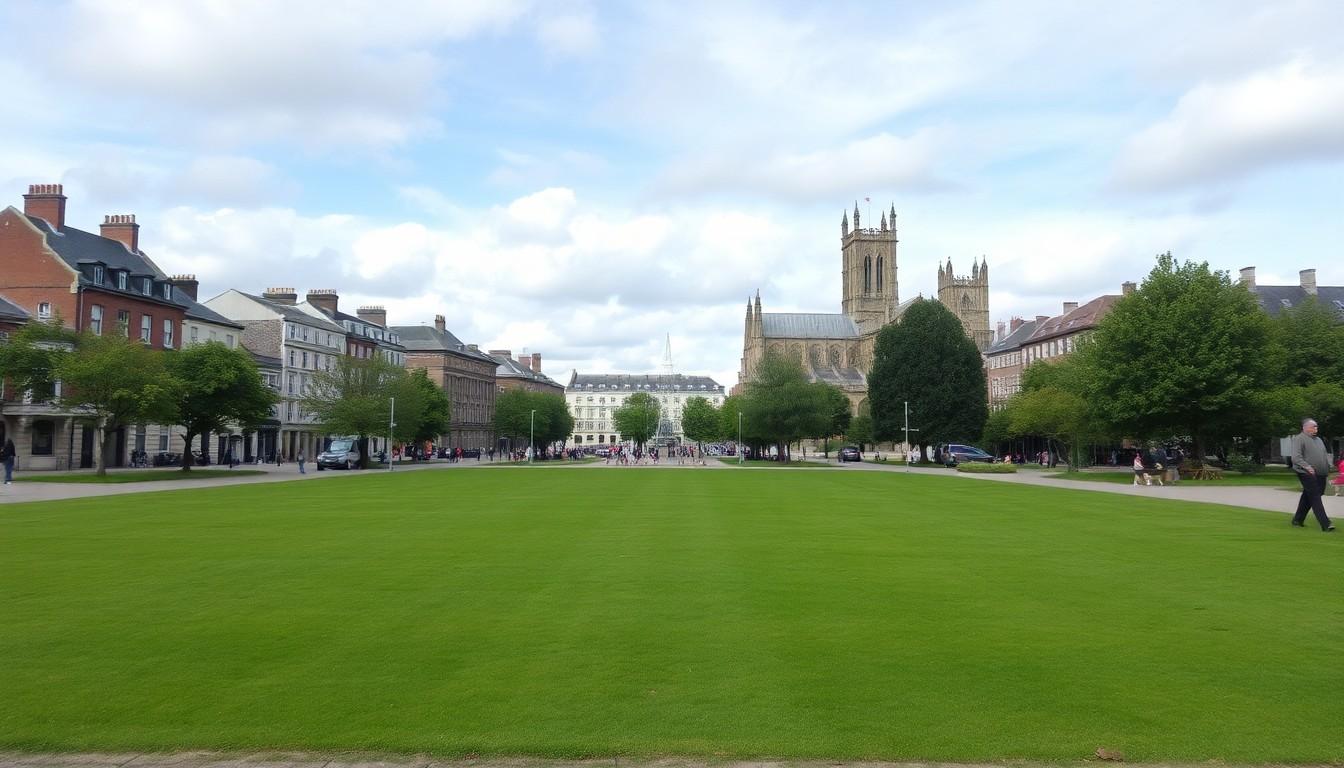
Shoppers noticed a crowd on College Green as Bristol people rallied to defend trans rights, after the Equality and Human Rights Commission published updated guidance that campaigners say will push trans people out of public life. Dozens gathered to show solidarity, raise awareness and demand practical, humane alternatives.
Essential Takeaways
- What happened: Dozens of people rallied on College Green, Bristol, to protest the EHRC’s updated code of practice for services and public functions. They carried blue-and-pink banners and placards calling to “resist the EHRC”.
- Why it matters: The guidance responds to the Supreme Court ruling that “sex” in the Equality Act means biological sex, and tells service providers how to implement that decision.
- How protesters feel: Local groups, including Bristol Pride, called the guidance “unworkable and cruel,” and speakers described escalating exclusion affecting access to education, healthcare and employment.
- Practical impact: The code recommends excluding transgender men and women from single-sex toilets and changing rooms, a move campaigners say will increase marginalisation.
- Local mood: The rally mixed anger and solidarity , there was chanting, artful placards and a sense that this is part of a wider national wave of demonstrations.
A visual, vocal morning on College Green
The strongest image from Saturday was simple: groups clustered on the grass, banners bobbing in a mild breeze, faces set. That visual mattered because protests like this are about making exclusion visible , showing that real people will be affected on a daily basis. According to witnesses, the rally began at 11am and drew trans people and allies who wanted neighbours to understand what’s at stake. Organisers briefed the crowd with brief speeches and practical messages about solidarity.
The protest didn’t appear out of nowhere; it follows a spate of similar gatherings around the country after the EHRC issued its updated guidance. People I spoke to said the tone mixed grief with determination , grief at what they see as mounting legal hostility, and determination to keep public spaces safe and shared. For many, showing up is both symbolic and strategic: creating a public record of opposition that local councils, businesses and other service providers can’t ignore.
What the EHRC code actually says , and why it’s controversial
The EHRC updated its code of practice to tell public bodies, businesses and associations how to give effect to the Supreme Court’s April ruling that “sex” means biological sex under the Equality Act. The commission’s explanatory notes and draft codes set out practical steps for service providers, with an emphasis on how to treat single-sex spaces. According to the EHRC, this is about legal clarity and helping organisations avoid unlawful discrimination.
But critics argue the guidance will have a very different effect on people’s lives. Campaigners, including Bristol Pride, say the measures will force trans people out of everyday spaces like toilets, changing rooms and healthcare settings, making access harder and increasing stigma. That’s why many see protests not just as dissent, but as urgent community-defence work.
Voices from the crowd: anger, fear and a plea for dignity
Speakers at the event drew on years of experience. One local artist told the crowd that discrimination has been escalating for more than a decade and that new guidance only cements what’s already happening on the ground. That kind of testimony matters because it translates legalese into lived experience: lost jobs, missed appointments, and the quiet everyday policing of gender in cafés, schools and waiting rooms.
Bristol Pride’s public response called the guidance “unworkable and cruel,” and vowed continued opposition. Their statement frames the issue as part of a wider struggle for bodily autonomy and civic inclusion, and it serves as a rallying point for local campaigning, legal challenges and public education efforts. For campaigners, this is as much about protecting safety and dignity as it is about legal definitions.
What this means for businesses, councils and ordinary people
If you run a venue, a GP surgery, or a sports centre, the guidance aims to offer a blueprint: how to make decisions about single-sex spaces while staying on the right side of the law. For many managers, that’s a tricky balancing act between complying with the EHRC’s direction and keeping staff and customers comfortable and safe. The practical options in play include redesigning spaces, creating gender-neutral facilities, or adopting clear, compassionate policies that avoid excluding people.
For campaigners, the short-term response is clear: keep protesting, lobby local authorities, and push for pragmatic alternatives such as increased availability of single-occupancy, accessible, gender-neutral facilities. That’s the kind of compromise that reduces confrontations and respects everyone’s dignity.
Where things might go next , locally and nationally
The Bristol rally is one of several demonstrations across the UK in recent weeks, signalling that this debate won’t drop quietly. Legal experts and civil-society groups may test the limits of the guidance in courts, while activists plan continued public pressure. Expect councils and institutions to publish their own policies, and for those policies to become focal points for either reconciliation or further dispute.
Meanwhile, the human story continues: people worried about being forced out of everyday spaces, others determined to protect single-sex services. Both sides will press their case, but for many Bristol residents who came to College Green, the immediate priority was simple compassion , keep our city open and safe for everyone.
It's a small change that could make every public space feel different, so keep an eye on local policies and support practical solutions that protect dignity.
Source Reference Map
Story idea inspired by: [1]
Sources by paragraph: