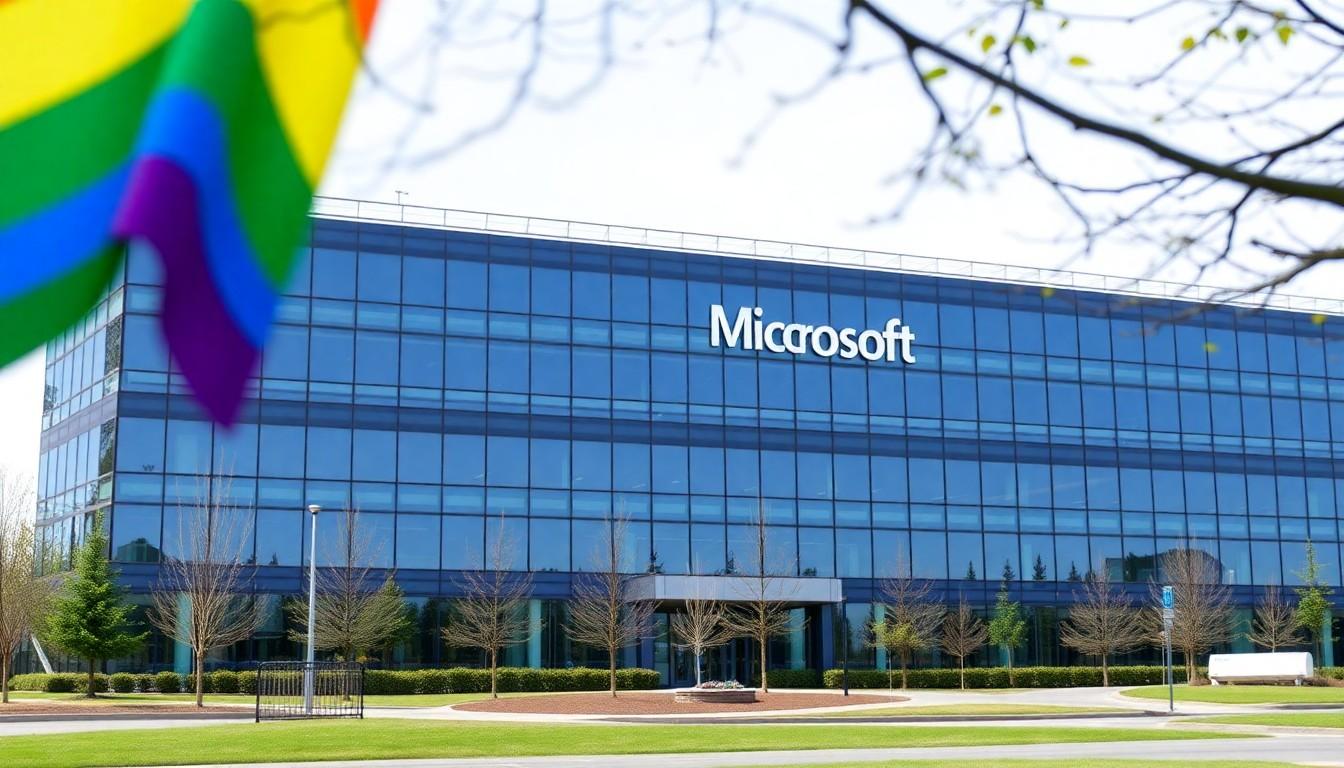
Shoppers and employees alike are watching as Microsoft waves the rainbow while cutting DEI ties , a move that matters to LGBTQ staff, customers and civil-rights campaigners across the US and beyond. Here’s what’s changed, why it feels like pinkwashing, and how to judge whether a pride campaign is real.
Essential takeaways
- Visible Pride: Microsoft continues Pride campaigns and sells rainbow gear, with a big “Pride is Alive” push across its apps and stores.
- Policy pullback: The company has scaled back DEI teams and stopped publishing its annual diversity and inclusion report, signalling reduced public accountability.
- Platform risks: LinkedIn updated hate-speech policies in ways critics say weaken protections for transgender people.
- Big government ties: Microsoft’s contracts with the Pentagon and agencies like ICE have drawn ire from activists who say the tech funds institutions harming marginalised groups.
- Organising response: Grassroots groups and some activists are calling for boycotts and divestment to force real change.
Pride campaigns look bright, but the light is shallow
Microsoft’s Pride assets are loud and colourful: video backgrounds, custom themes in Excel and PowerPoint, T-shirts and hoodies that read like visual applause. The company’s marketing team knows how to make a seasonal splash, and rainbow wallpapers are easy and feel inclusive in selfie-driven times. But many employees and activists say that while Pride decorations are visible, the protections and internal commitments that make workplaces safer have been quietly reduced. That gap is what people call pinkwashing , celebration without meaningful backing. According to reporting in Uncloseted Media, staff felt frustrated when the glossy graphics didn’t match concrete policy. Consider the difference when you choose to buy from a brand: the logo is one thing, the actions behind it are another.
DEI teams and reports: disappearing acts that matter
In recent years Microsoft cut at least one DEI team and removed diversity from core priorities in employee reviews. It also stopped its annual diversity and inclusion report, saying it would replace statistics with “stories, videos and insights.” The Verge reported the end of the public report as a notable retreat from transparency. If you care about measurable change, losing a report that tracked representation and progress is a practical loss: numbers make it harder to spin good intentions into claims. For consumers and staff, ask whether a company still publishes headcount, promotion and pay data , that’s where commitments turn into measurable accountability.
Platforms and policy: LinkedIn’s guideline changes
LinkedIn, now part of Microsoft, updated its hate-speech and harassment policy to remove explicit protections against misgendering and deadnaming. To queer users, that feels like a small wording change with big consequences: a platform that once offered clearer safeguards now leaves room for targeted abuse. This matters because platforms shape everyday experience. If a social network relaxes rules around harassment, it becomes harder for marginalised people to report and feel safe. When you assess a company’s commitment, check how the platforms it owns protect vulnerable users , policy tweaks can be as meaningful as boardroom announcements.
Big contracts, big questions: the Pentagon, ICE and ethics
Microsoft is a major supplier to the US government and has clinched large defence contracts that use Azure for classified AI work. It also provides cloud services used by ICE for surveillance and deportation operations. Critics argue these ties aren’t neutral: decisions about who gets protected or targeted often hinge on the technologies these companies supply. Activists point out the moral tension: a firm that markets Pride while profiting from contracts that enable human-rights harms faces credibility problems. If corporate responsibility matters to you, look beyond charity-funded PR and into the client list and the products being sold to governments and enforcement agencies.
How activists and groups are responding , and what to look for
Not everyone has accepted Microsoft’s current posture. Grassroots organisations have called for boycotts, and past pressure campaigns have pushed other groups to sever ties with defence contractors. Meanwhile major LGBTQ nonprofits continue to partner with Microsoft, creating a split between institutional alliances and activist outrage. If you want to act: support charities and campaigns that demand transparency, ask questions about vendor relationships, and consider where you spend money or entrust data. Consumer pressure, staff organising and targeted divestments have changed corporate behaviour before , money still talks.
Choosing where to buy and work: practical questions to ask
When a company markets Pride, don’t take it at face value. Ask whether it publishes independent audits or diversity reports, whether it endorses civil-rights legislation, and how it protects LGBTQ employees on its platforms. If you’re job-hunting, seek specifics about employee resource groups, whistleblower protections, and whether DEI is woven into promotion and pay practices. For shoppers, a simple test is to follow the money: who benefits from your purchase, what clients does the company serve, and do nonprofits you trust accept its donations without reservation?
It’s a small change to swap a sticker for a stance, but it can reshape what Pride actually means in practice.
Source Reference Map
Story idea inspired by: [1]
Sources by paragraph: