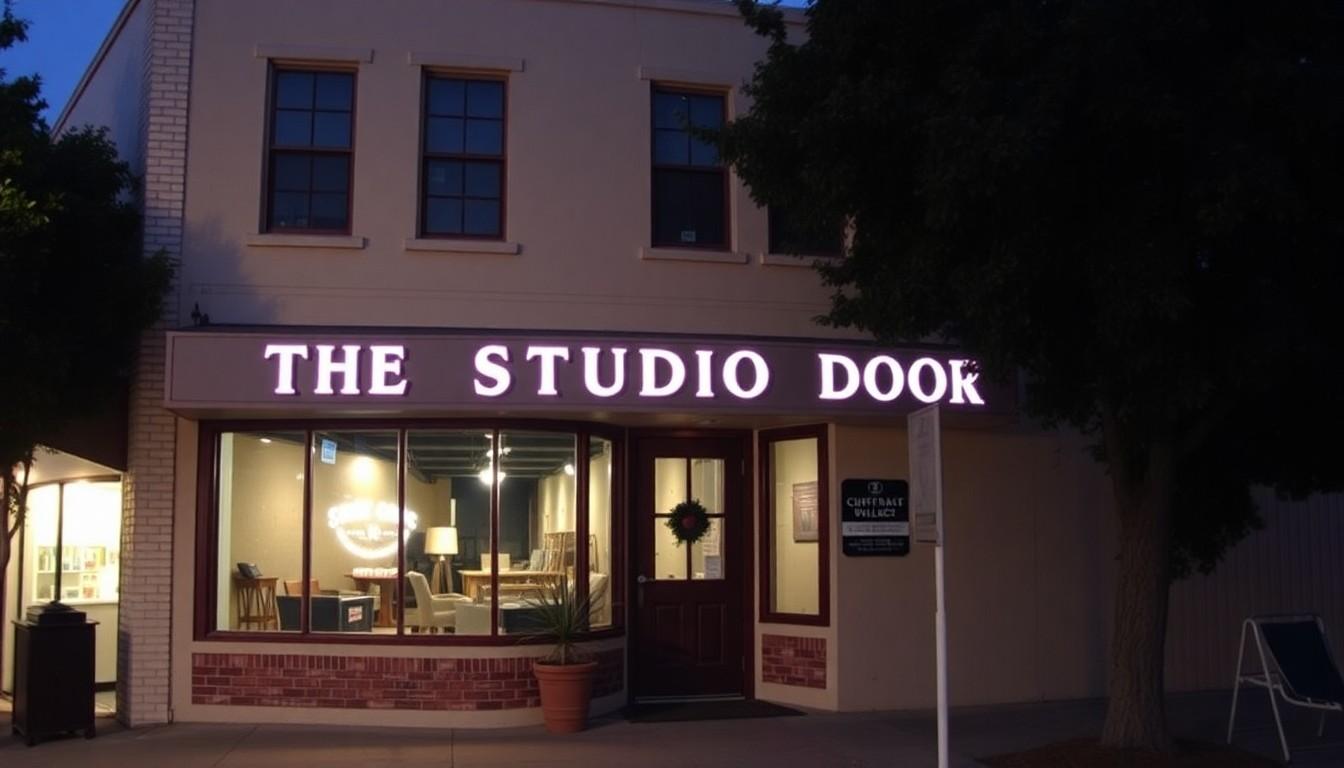
Shoppers and art lovers are discovering the warm, colourful world Patric Stillman built in San Diego , a gallery and community hub that puts LGBTQ artists centre stage and proves inclusive shows can also be commercially successful. Here’s how he turned a midlife creative reckoning into a thriving, award-winning gallery experience.
Essential Takeaways
- Founder story: Patric Stillman moved to San Diego after a personal renaissance and founded The Studio Door to showcase diverse regional art.
- Gallery vibe: The Studio Door feels like an open-air warehouse with mixed media exhibits , acrylics, fused glass, photography and ceramics , and a lively, community-centred calendar.
- Artist-first approach: Pricing and curation emphasise artist autonomy; Stillman advises on pricing but lets creators choose.
- Community impact: The gallery hosts Pride programming, markets, book signings and signature shows like the annual Crow Show.
- Personal touch: Stillman’s work blends colour and expressionism, and his Brotherhood Tarot project highlights his queer storytelling.
From Minnesota to San Diego: a late-blooming creative life
Patric Stillman’s path to becoming a gallery owner wasn’t linear, and that’s part of the charm , there’s a lived-in, human feel to everything he curates. He left Minnesota after years of travel and college stops, dropped the silent K from his name, and at forty took a deliberate turn into creativity. The result is an owner who understands reinvention, whose personal story colours the gallery’s warm, inclusive ethos.
According to his own account, that personal shift included embracing colour and new media after starting out in sepia and black-and-white photography. That evolution shows up across The Studio Door’s programming, where older techniques sit happily beside playful, contemporary work.
A gallery that feels like a neighbourhood hub
Walk into The Studio Door and you don’t get austere white walls; you get an energetic, almost communal space where 15–20 studio artists currently work and exhibit. The atmosphere is intentionally informal , an open-air warehouse vibe , which invites lingering and discovery.
The programming reflects that approach: exhibitions, book signings, art markets and a calendar tied to Pride make the gallery a place people visit for more than just buying art. Local tourism profiles and art guides now list it as a must-see, which helps explain why it’s become such a neighbourhood magnet.
How Stillman curates , and why artists keep the final say
Stillman’s curatorial stance is refreshingly artist-first. He offers guidance on pricing and how work might fit a collector’s lifestyle, but the final call is the artist’s. That balance keeps creative integrity intact while helping artists think commercially.
He also banks on variety, preferring shows that mix fused glass, photography, ceramics, oils and acrylics. That jumble is deliberate , it keeps footfall curious and collectors engaged, and when a work sells the “red dot” effect often triggers short-lived trends that ripple through the gallery.
Big ideas in small gestures: Brotherhood Tarot and signature events
Stillman’s own projects underline his interest in storytelling with a queer lens. Brotherhood Tarot, a set of 78 gay-themed tarot cards made from full-colour digital photographs, took two years and countrywide travel to complete. It’s an example of how his personal creativity feeds the gallery’s public life.
The Studio Door’s signature events, including PROUD for Pride month and the imaginative Crow Show, demonstrate how a focused, playful concept can build recurring audience interest and press-friendly moments.
Why it matters for artists and buyers
For emerging LGBTQ artists, The Studio Door is more than a display venue , it’s a platform that foregrounds representation and community. For buyers, the gallery offers approachable curation and the chance to pick up pieces that feel personal rather than market-driven.
If you’re choosing work, look for pieces that resonate with your daily life and how you want a room to feel; ask the artist about their pricing logic and career stage. Galleries like this one make those conversations easy.
It's a small change that can make every visit to a gallery feel like coming home.
Source Reference Map
Story idea inspired by: [1]
Sources by paragraph: