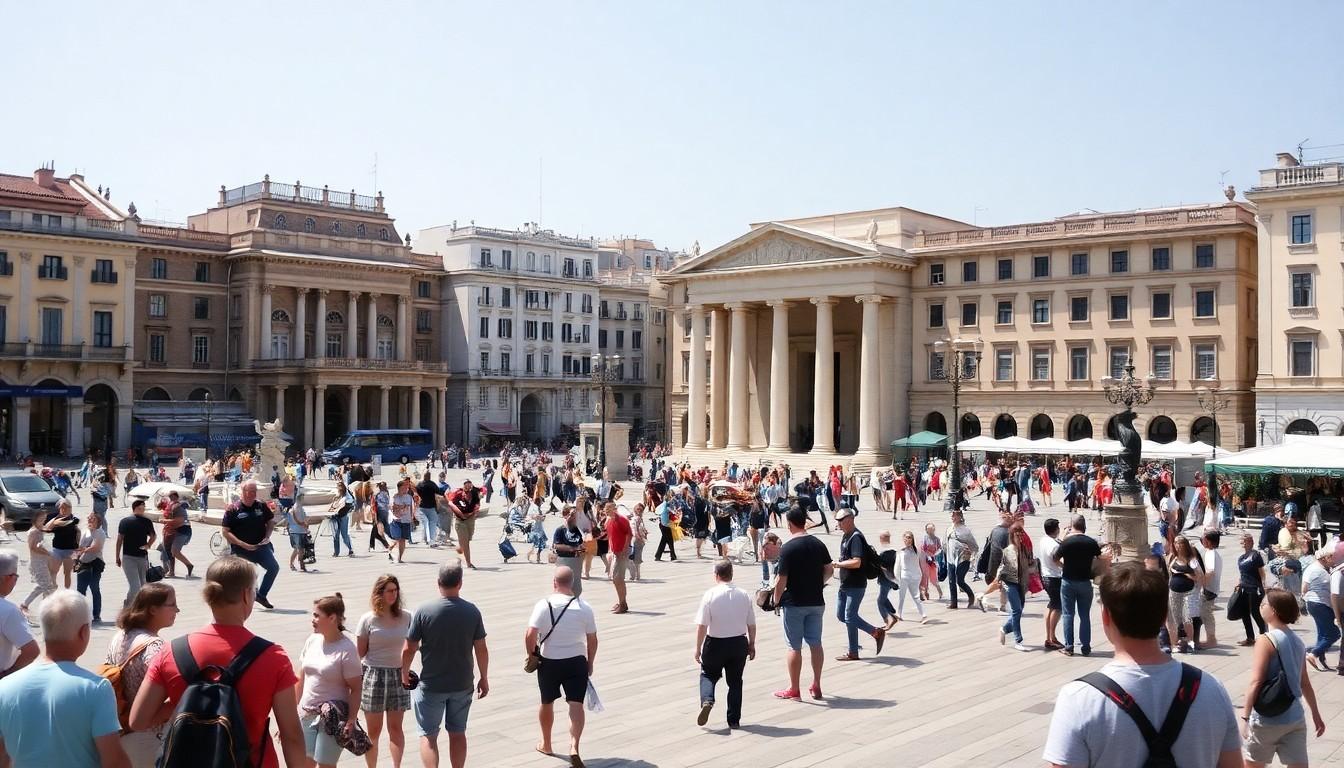
Shoppers, students and families turned out in force for Athens Pride 2026, gathering at Syntagma to celebrate, protest and remember; organisers say the day mixes music and art with urgent demands for trans, non‑binary and intersex rights, making it both a party and a political moment in the heart of Athens.
Essential Takeaways
- Big turnout: Thousands filled central Athens for the parade, creating a lively, colourful atmosphere with banners and chants.
- Full programme: The event included panels, performances and music across Syntagma and surrounding squares.
- Focus on rights: Organisers emphasised ongoing discrimination against trans, non‑binary and intersex people and called for better representation.
- Family‑friendly vibe: People of all ages attended, contributing to a warm, communal feeling despite the protest energy.
- Local collaboration: Cultural venues and civic groups joined forces to stage talks, art and workshops through the day.
A vivid march through the city centre
From the moment the crowd began to gather in Syntagma, the scene felt bright and human , flags fluttered, voices rose, and photographers snapped lively frames. According to local reports, the march drew a broad mixture of people, from long‑time activists to casual passers‑by who stopped to watch. The visual spectacle , banners, placards and colourful outfits , made a clear statement: this is both celebration and demand. If you attend, bring comfortable shoes and a reusable water bottle; it’s a long route and the sun can be fierce.
Music, art and conversation: more than a parade
Organisers put together a packed programme of artistic performances and discussion panels, with stages and pop‑up venues around Syntagma and Technopolis hosting music and talks. This year’s format reflects a trend seen across European pride events, blending party elements with civic education and cultural showcases. It’s a useful model: the music attracts crowds, while the panels give space to policy questions and lived experience. Check event schedules in advance if you want to catch a particular speaker or band.
Why trans, non‑binary and intersex issues were centre stage
Speakers repeatedly pointed out that progress for LGB people doesn’t automatically translate into safety or recognition for trans, non‑binary and intersex citizens. Reports from the day echoed organisers’ insistence that legal protections and representation remain incomplete. That focus turned the festival tone from pure celebration to a call for concrete change, and it’s a reminder that parades still serve a campaigning purpose. For anyone new to activism, listening to these testimonies is a direct way to understand where attention and solidarity are needed.
A crowd‑pleasing, family‑friendly atmosphere
One striking detail from coverage was the number of families and children present, which softened the march’s edges and made it feel like a neighbourhood fête as well as a demonstration. Workshops and daytime arts made the event accessible to younger visitors, while evening concerts kept the energy high. Families coming along should pick out meet‑up points beforehand and keep phones charged, since crowds can make regrouping tricky.
Local institutions joining the effort
Cultural partners, municipal venues and grassroots groups helped expand the event into a multi‑site festival, with programming at Athens Technopolis and other city spaces. That collaboration mirrors a wider shift: pride events are increasingly run as city‑wide cultural moments, not just isolated parades. It broadens audience reach and gives activists more platforms, but it also means events can feel sprawling. Aim to consult the official Athens Pride timetable so you can plan the best route and timings.
It's a small change that can make every march feel safer and more meaningful.
Source Reference Map
Story idea inspired by: [1]
Sources by paragraph: