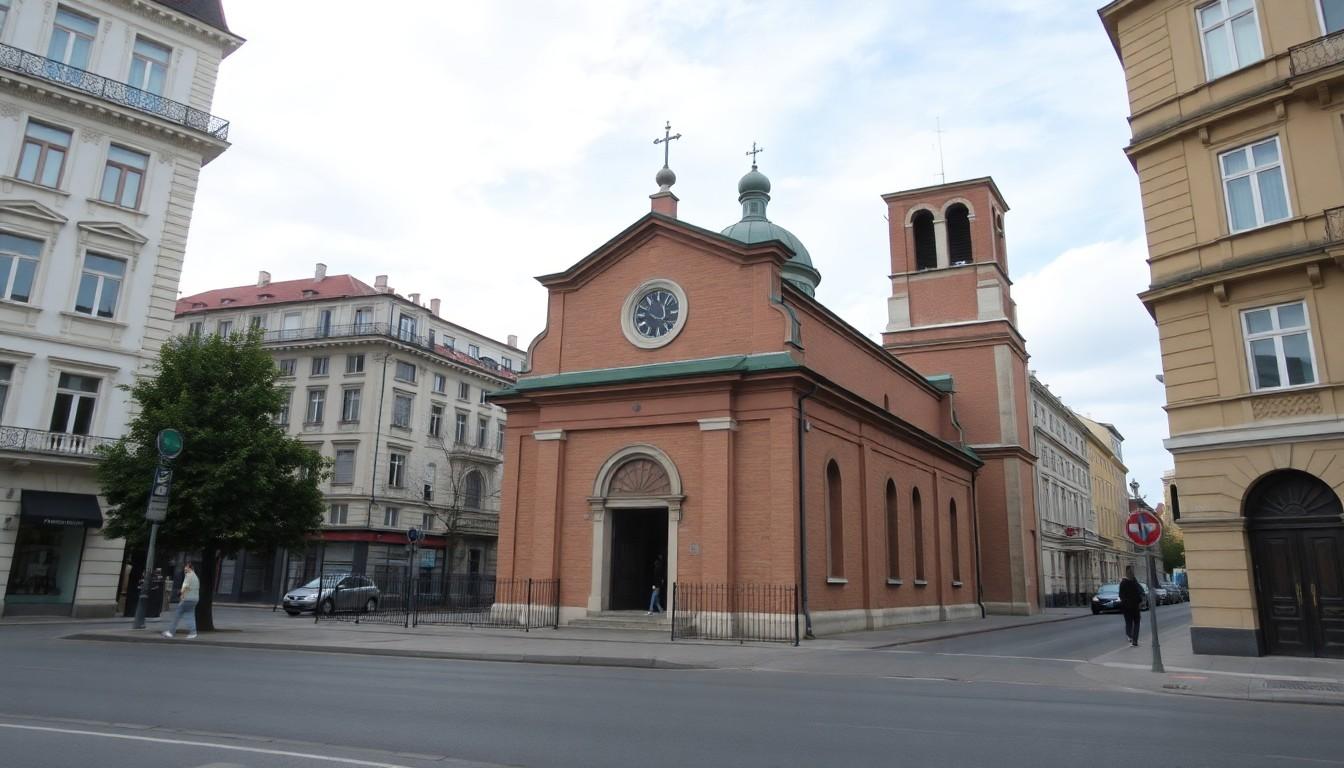
Shoppers and residents are noticing more visible debates as Bucharest prepares for Pride; the Romanian Patriarchate has issued a pastoral appeal urging discernment, protection of Christian family values and respectful dialogue, a move that matters to both believers and civic organisers.
Essential Takeaways
- Official stance: The Romanian Patriarchate framed Bucharest Pride as socially sensitive and urged balance, discernment and responsibility.
- Family emphasis: The Church reaffirmed marriage between a man and a woman as the foundational family model and a blessing to be promoted.
- Tone of care: The Patriarchate called for prayer, peace and respect for human dignity, explicitly rejecting violence or defamatory language.
- Social context: Concerns were linked to wider issues such as demographic decline and social stability, making the debate feel urgent.
- Pastoral action: Clergy and laity were encouraged to intensify prayer and nurture Christian values at home and in parishes.
What the Patriarchate actually said , and how it sounded
The Patriarchate’s statement reads like a pastoral letter meant to calm rather than inflame, with an emphasis on spiritual responsibility and social balance. It described the family as a divine gift rooted in marriage between a man and a woman, and suggested that public events promoting different models may cause confusion. The language leans on tenderness , prayer, peace and respect , rather than confrontation. According to Romanian outlets reporting the text, the message was intended to guide faithful behaviour ahead of the parade.
Why this matters beyond the church gates
This isn’t just church talk; it feeds into a larger civic conversation about public space, rights and identity in Romania. Bucharest Pride has a visible public presence and a history of sparking debate, as noted in broader coverage of the event. The Patriarchate linked its concerns to demographic and social challenges, framing the parade in the context of national stability. For residents who see faith and social cohesion as intertwined, the statement will matter. For organisers and participants, it’s a reminder of the complex audience they face.
Tone and limits: rejecting abuse while standing firm
Importantly, the Patriarchate explicitly condemned offensive speech, defamation and violence as contrary to the Gospel. That places the Church in a position that seeks to moderate public conduct while defending its doctrinal view. It’s a careful rhetorical stance: you can disagree with the church’s teaching and still welcome its call to mutual respect. For journalists and civic leaders, that dual message , firm belief plus a plea for civility , is the line worth noting.
Practical implications for organisers and participants
If you’re involved with Bucharest Pride, expect a more visible conversation in parishes and neighbourhoods in the run-up to the march. Practical steps that can help cool tensions include proactive community engagement, clear codes of conduct for participants, and outreach to faith leaders for dialogue. For churchgoers, the Patriarchate’s ask is straightforward: nurture faith in family and parish, and model peaceful conduct. Both sides can reduce flashpoints by emphasising respect and safety.
Looking ahead: dialogue, not shutdown
Public rituals and religious institutions will keep intersecting as Romania’s social landscape evolves. The Patriarchate’s statement signals that the Church will remain an active voice in civic debates, but it also opens a space for discussion grounded in mutual dignity. If both organisers and faith communities prioritise listening over lecturing, this season could become a moment of civic learning rather than escalation.
It's a small nudge , prayerful, firm and solicitous , that could shape how people speak and act in the weeks around the parade.
Source Reference Map
Story idea inspired by: [1]
Sources by paragraph: