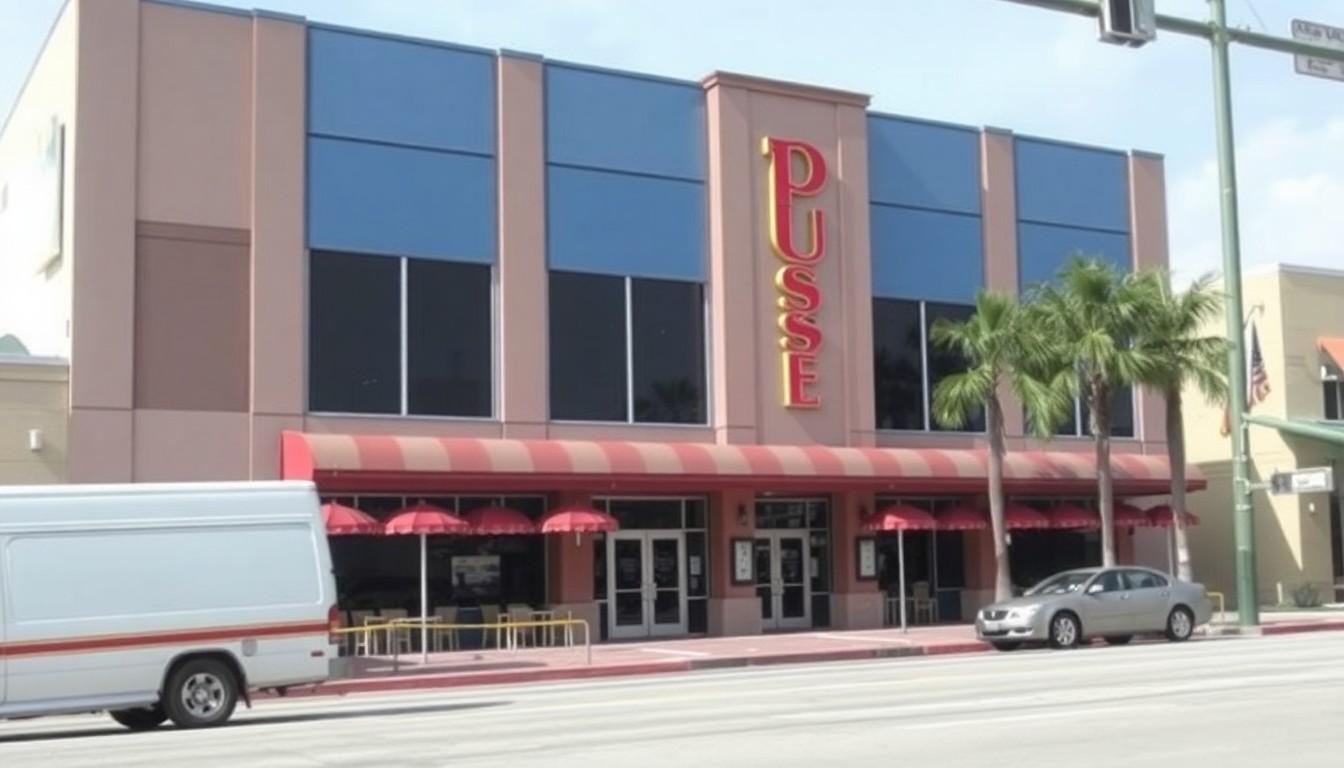
Remembering matters: survivors, families and allies are holding space a decade after the Pulse nightclub massacre in Orlando, turning grief into activism, memorials and film , and reminding readers why community, policy and remembrance still matter today.
Essential Takeaways
- Anniversary significance: Ten years since the Pulse shooting, communities across the US are marking the date with vigils, memorials and renewed calls for action.
- Survivors’ journeys: Many survivors channel their trauma into advocacy, politics and public service, showing resilience and a quiet, steady purpose.
- Cultural reflection: Films like State of Firsts and new reporting are keeping stories alive, offering context and sparking conversation about LGBTQ+ rights.
- Ongoing needs: Mental health support, survivor services and policy reform remain central, with some people still seeking justice and healing.
- How to help: Attend local events, donate to survivor funds, volunteer with LGBTQ+ mental-health groups, and learn the names and faces behind the headlines.
Why the tenth anniversary still feels raw
Ten years can feel both long and unbearably short, and that tension is visible in vigils and public statements this week. The site of the Pulse shooting became a focal point for grief and for love, a quiet place where the scent of candles and flowers makes the loss feel immediate. According to reporting in The Advocate, survivors remind us there’s no roadmap for living after surviving , grief reshapes life in personal, unpredictable ways. Attend a local event or read survivors’ accounts and you’ll hear the same honest admission: memory doesn’t fade on a calendar.
Survivors who turned pain into purpose
Some people who were there have channelled their grief into public life. Brandon Wolf, for instance, moved from working in hospitality to political advocacy after losing friends at Pulse, promising to fight for a world they’d be proud of. Axios and The Advocate detail similar stories: survivors who’ve become activists, organisers and policy advocates. It’s not a tidy hero narrative , often it’s messy, slow, and full of setbacks , but it’s powerful. If you want to support that work, look for grassroots groups led by survivors or donate to local LGBTQ+ organisations that provide legal and mental-health services.
Film and media keeping the story alive
Documentary and feature films are one way memory is being preserved and examined. State of Firsts, now in cinemas, broadens the conversation by tracing public careers shaped by personal history and spotlighting contemporary battles over transgender rights. IMDb and festival listings show the film is getting screenings beyond niche outlets, which matters: cinema gives survivors a platform to reach audiences who might otherwise never engage. Go with the expectation that it’ll be thoughtful and sometimes uncomfortable; these films exist to provoke empathy and action, not to comfort.
What’s changed in policy and community response
A decade on, there have been changes , some incremental, some contentious. Coverage by Axios highlights shifts in Florida politics and broader national debates over gun laws, public safety and LGBTQ+ protections. Progress in policy is uneven, however, and survivors often point out that legal reform lags behind the community’s needs. Practical takeaway: look for local campaigns focused on survivor resources, mental-health funding and prevention measures, and consider backing candidates who prioritise those issues.
How to observe, respectfully and usefully
If you want to mark the anniversary, think beyond social posts. Attend a vigil, contribute to survivor funds, or volunteer with LGBTQ+ crisis services that offer long-term counselling. The Advocate’s reporting suggests survivors often value concrete support over performative gestures. When you show up, listen first; the families and survivors setting events usually have guidance on tone and focus. And if you’re watching a documentary or reading survivor testimony, give yourself space afterwards , these stories can be heavy, and they deserve your attention, not a quick scroll past.
It's a small change that can make every remembrance more thoughtful and every action more lasting.
Source Reference Map
Story idea inspired by: [1]
Sources by paragraph: