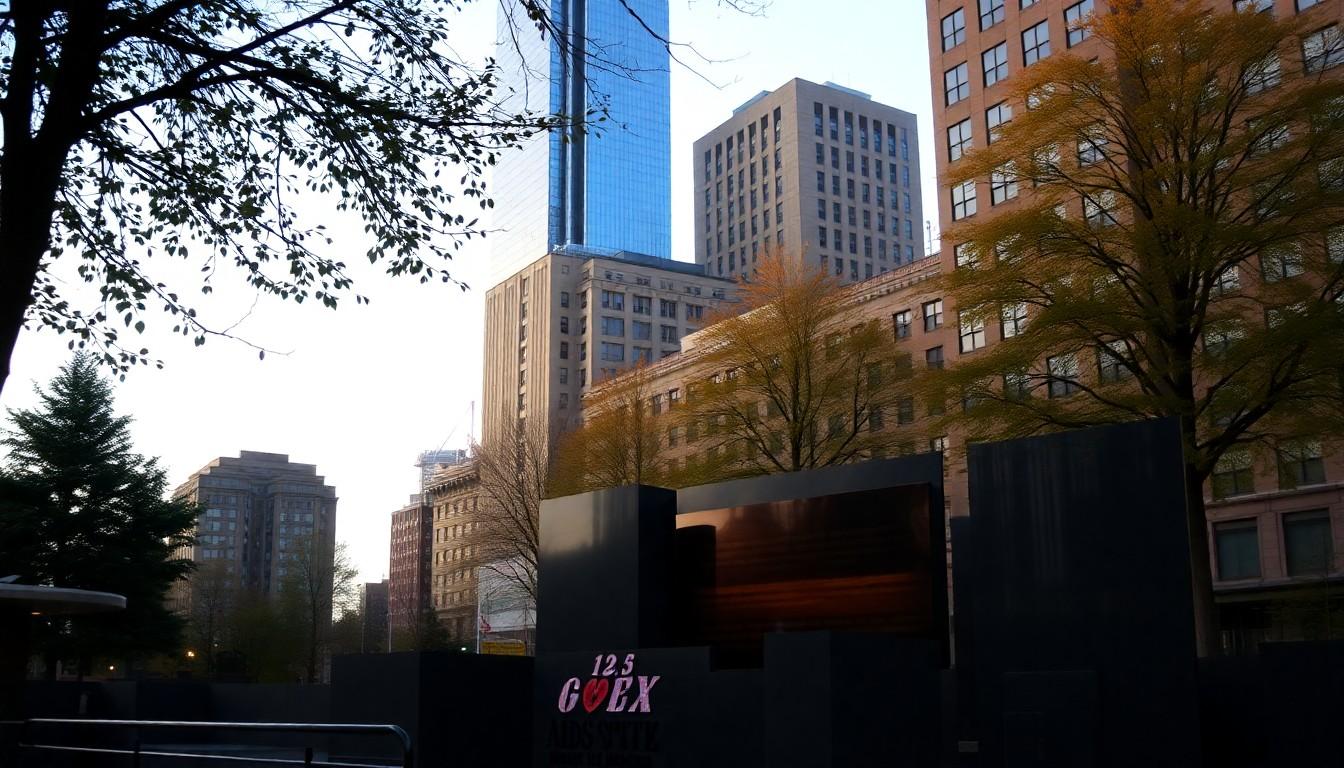
Shoppers aren’t the only ones marking dates this June , communities across New York gathered to mourn, remember and push for care on HIV Long-Term Survivors Awareness Day, with a powerful vigil and die-in at the NYC AIDS Memorial that blended ceremony, protest and practical demands.
- Who showed up: activists, clinicians and public figures including members of ACT UP, Dr Demetre Daskalakis, Dr Oni Blackstock and actor-activist Javier Muñoz, offering a visible mix of grief and advocacy.
- What happened: a candlelit vigil and die-in at the NYC AIDS Memorial combined remembrance with protest against recent healthcare funding cuts; banners and speeches made the message clear.
- Atmosphere: quiet, resolute and raw , the memorial’s stones and trees framed conversations about loss, ageing with HIV and continued gaps in services.
- Practical note: the event was part of Seven Days in June, a grassroots push running June 1–7 that links commemoration to policy demands.
- Care takeaway: long-term survivors face unique ageing needs, so local clinics and community groups remain central to wellbeing and access to services.
A vigil that felt like both ceremony and summons
The scene at the NYC AIDS Memorial was solemn and direct, with candles, banners and the slow, steady rhythm of a die-in creating a tactile sense of loss. According to reporting, activists and survivors stood together to mark the 45th anniversary of the CDC’s first report on the epidemic, and the tone mixed mourning with a call to action. For anyone who’s been to the memorial before, there’s a familiar hush , stone surfaces, engraved names and the city’s noise softened to a distant hum.
Backstory matters: the June 5 gathering sits inside a longer week of protests known as Seven Days in June, which links remembrance to opposition to healthcare funding cuts. That practical campaigning element turned the memorial into a platform, with speakers urging sustained services for people ageing with HIV. If you’re organising or attending, bring water, dress for standing and expect short speeches and moments of silence.
Who spoke and why their voices mattered
Speakers at the vigil included clinicians who’ve worked directly with people living with HIV, such as Dr Demetre Daskalakis from Callen-Lorde and Dr Oni Blackstock, alongside community leaders and actors. That mix matters because it blends lived experience, medical insight and cultural reach. When clinicians speak at memorial events it reinforces a message: remembrance must translate into better care.
Events like this also let activists keep public attention on policy. The combination of health professionals and activists underlines a truth many survivors report , ageing with HIV often means navigating complex medical and social systems. For readers, it’s a reminder to ask your local clinics what services they offer for older people with HIV, and to support organisations that provide tailored care.
Why long-term survivors’ needs are still a policy issue
Long-term survivors face distinct challenges: multimorbidity, polypharmacy, stigma and social isolation are frequent themes. That’s why advocacy around funding is more than rhetoric; it affects everything from routine check-ups to housing supports. The vigil tied those human stories to the broader protest against cuts that could shrink services people rely on.
Wider trends show more people living longer with HIV thanks to effective treatment, which is great news, but it also means systems must adapt. Community groups and AIDS service organisations are often the safety net for social care and practical help. If you want to help, contact your local AIDS service organisation to learn about volunteer or donation needs , small contributions are often put to immediate, practical use.
How the NYC AIDS Memorial frames memory and activism
The memorial itself offers a low-key, reflective space in the cityscape, making it a natural site for both mourning and mobilisation. The ritual of laying flowers or lighting candles is tactile and healing, while the use of the site for protest ties memory to civic action. That dual use keeps the conversation alive: past losses inform present demands.
If you visit the memorial, expect a compact, contemplative environment that invites quiet reflection. Events there often mix readings, speeches and music, and they’re a place where older survivors find recognition. For journalists and allies, the memorial is also a visual shorthand: it tells a story of history, resilience and unfinished business.
Practical steps readers can take now
You don’t need to be in New York to act. Reach out to local HIV organisations to ask about services for older adults, check if clinics offer geriatric-informed care, and support advocacy groups opposing cuts to healthcare funding. Attend local memorials or awareness events during June; participation is both symbolic and practical, helping maintain pressure on policymakers.
Small actions add up: donate, volunteer, or simply pass on accurate information to someone who might benefit. It’s a practical way to turn remembrance into better care.
It's a small change that can make every memory and every life safer.
Source Reference Map
Story idea inspired by: [1]
Sources by paragraph: