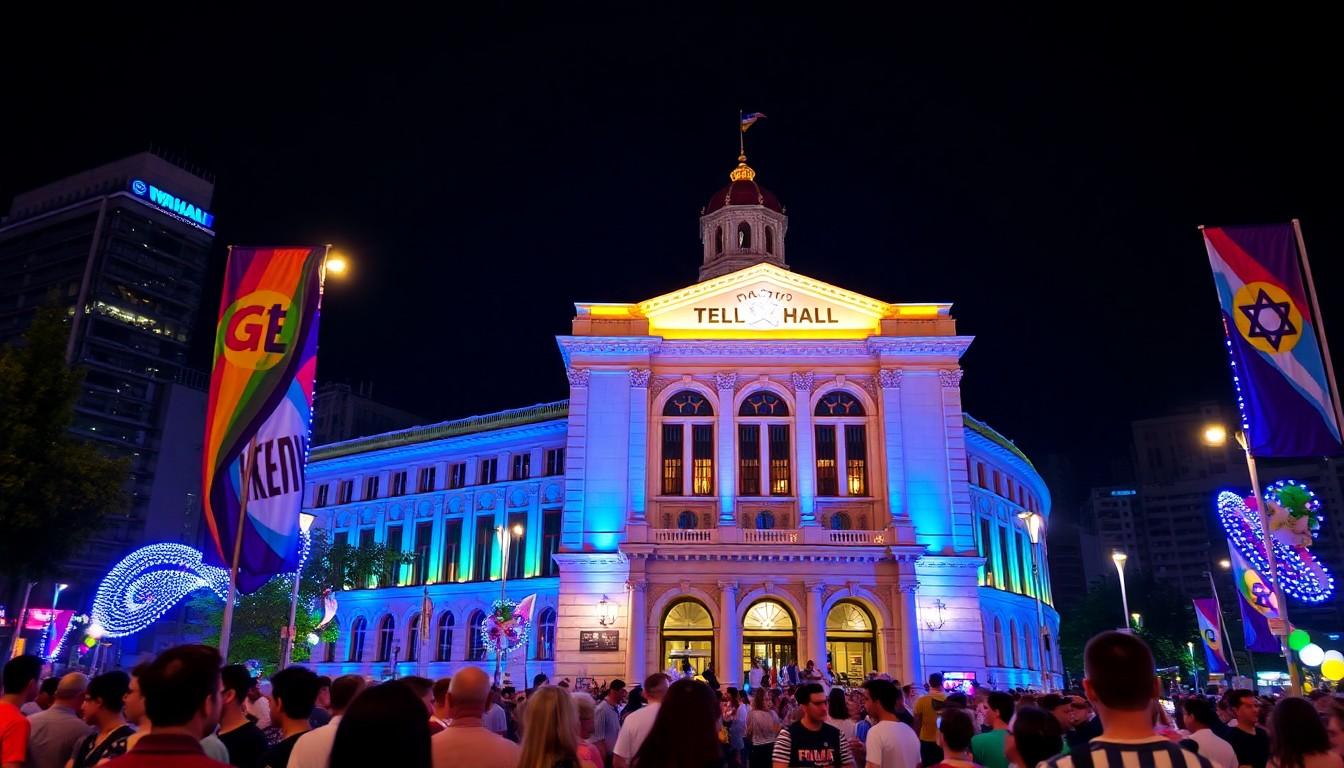
Shoppers and locals alike noticed a colourful comeback as Tel Aviv staged its first full-scale Pride parade since the 7 October Hamas attack; thousands marched in bright outfits and loud music, but the event also turned into a vivid expression of grief, anger and political frustration that matters beyond a single day.
Essential Takeaways
- Big turnout, quieter than before: Thousands attended, yet participants say numbers were down compared with pre‑October crowds, and the atmosphere felt more cautious and reflective.
- Celebration and unease: Floats, dancing and loud music mixed with sombre reminders, air‑raid sirens have sounded in the city within days of the march.
- Political voice: Many marchers used signs to criticise Israel’s right‑wing government and demand more rights, including equal marriage.
- Regional context: Tel Aviv’s Pride has long been the region’s flagship LGBTQ event; this return shows how cultural life persists even amid security tensions.
- Practical mood: Organisers and attendees balanced joy with vigilance, public displays continued, but with an undercurrent of safety and solidarity.
A colourful comeback, though not the same party
Tel Aviv’s streets filled with bright flags and blasting music, but there was a different feel, less of the untrammelled carnival and more of a cautious celebration. According to AFP, attendees described a smaller, more intimate crowd than the huge pre‑war parades, and that softness showed in the way people hugged more and danced in shorter bursts. For locals it wasn’t just about glitter; it was a way to insist life and love still matter.
War and warning sirens: joy shaded by anxiety
The parade took place while the city and region remain on edge, air alarms sounded in Tel Aviv within the week, and clashes involving Hezbollah and broader tensions with Iran were on people’s minds. Reports highlight how participants repeatedly referenced the military situation, mixing grief for recent losses with resistance. That simultaneous celebration and concern is part of why the event felt both brave and fragile to onlookers.
Protest on the march: government anger on display
Many marchers used the platform to criticise the right‑wing Israeli government and its policies, noting that LGBTQ life here isn’t as fully equal as outsiders may assume. Interviews from the scene quoted participants saying they still can’t marry in Israel and that legal and social battles continue. It turned Pride into a hybrid of festival and political demonstration, with placards and chants pushing for real change beyond symbolism.
Why Tel Aviv Pride still matters regionally
For years Tel Aviv’s Pride was the largest LGBTQ event in the Middle East and an international signpost for liberal life in Israel. Its return, even reduced in scale, sends a message that cultural resilience persists amid crisis. Observers point out that keeping the parade alive bolsters community networks and support services that have been doing heavy lifting since the October attacks.
How to read this moment, and what comes next
Think of this parade as both reprieve and reminder: people wanted to celebrate, but they also wanted to be heard. Organisers and attendees balanced visibility with safety, and many said they hoped future parades would rebuild in size and spirit. For now, the event has reopened conversations about rights, security and how public life should look during prolonged conflict.
It's a small, noisy stand for love and a loud critique rolled into one , and it will shape how Pride returns next year.
Source Reference Map
Story idea inspired by: [1]
Sources by paragraph: