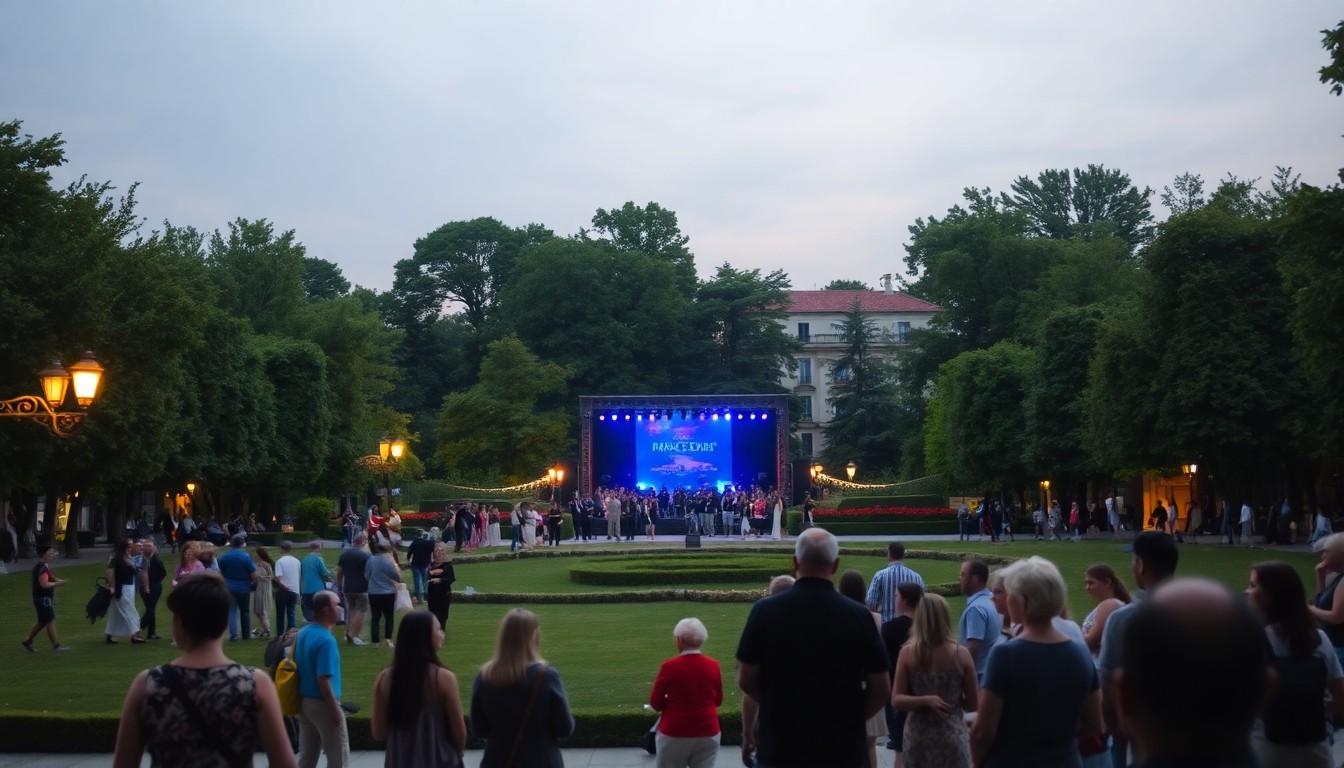
Shoppers and music-lovers are taking note as Bulgaria’s Eurovision champion DARA headlines Sofia Pride on Saturday, June 13 , a high-profile pop concert in Prince’s Garden that doubles as a clear statement about freedom, visibility and national change after Bulgaria’s first Eurovision win.
Essential Takeaways
- Headline act: DARA, Bulgaria’s Eurovision 2026 winner, will perform at Sofia Pride in Prince’s Garden on Saturday, June 13 at 4:00pm.
- Symbolic timing: Her appearance follows Bulgaria’s first Eurovision victory and is being read as a message of unity and progress.
- Event flow: Concert kicks off at 4:00pm with the Pride procession starting around 6:30pm, giving attendees both music and march moments.
- Tone of the show: Expect bold pop energy mixed with activism; the set will likely echo themes of courage and equality.
- Local reaction: The return of DARA has been met with big crowds and public honours, signalling strong public interest and support.
Why DARA’s Sofia Pride gig feels like a landmark
DARA isn’t just another pop star on the bill; she’s the fresh-faced symbol of a rare national moment after Bulgaria won Eurovision for the first time. The sight of her on a Pride stage , her voice cutting through warm Sofia air, her costumes and choreography vivid on the square , is bound to stick in people’s minds. According to Eurovision coverage, her song and performance in Vienna captured a broad audience, and now that momentum meets a cause-driven crowd at home.
Backstory matters here. After the Eurovision win, DARA returned to rapturous public events in Sofia, and local media covered her being honoured at public ceremonies. That domestic spotlight gives this Pride set extra weight, so organisers and fans alike see the concert as more than entertainment , it’s a public endorsement of visibility.
What the day will feel like and practical details to know
If you’re planning to go, the concert begins at 4:00pm in Prince’s Garden (Prince Alexander I Square), with the Pride procession set to leave at about 6:30pm. Expect a festival atmosphere: music, banners, street food and a big mix of ages and styles. Bring water, wear comfortable shoes for standing and walking, and consider arriving early to find a good spot , crowds for headline acts can swell quickly, as ITV noted when DARA returned to screaming fans.
Security and logistics will be visible, but the vibe is meant to be celebratory. If you want quieter viewing, scope out the edges of the garden or nearby cafes that open onto the square.
Why artists play Pride and what it signals in Bulgaria now
Artists choose Pride because it’s where visibility, politics and culture meet , and in Bulgaria this year the stakes feel higher. DARA’s performance is being read as a deliberate act of solidarity with LGBTQ+ people and a broader nod to modern, inclusive values. Eurovision organisers and local press have framed her win and subsequent appearances as part of a new national narrative.
For fans and critics, this choice also reflects how pop music can shift the conversation: a smash hit on the international stage gives artists licence to speak up at home. If you care about cultural change, seeing a major pop figure on a Pride stage is one of those small but visible moments that can nudge public opinion.
How to pick moments you’ll remember at the event
Think of the day in three acts: the warm-up atmosphere on arrival, the concert’s headline moments, then the procession’s communal energy. If you want a tactile memory, aim to be close enough to feel the bass and see the costumes; if you prefer photos or calmer reflection, the garden has quieter edges. For families or those less comfortable in big crowds, check for designated zones or accessible routes on the organiser’s channels.
Also, follow DARA’s official channels for any last-minute setlist hints or guest announcements , artists often tailor Pride sets to include anthems and crowd favourites that translate well to the streets.
Looking ahead: what the show might spark
This concert could become a cultural reference point , a snapshot of a moment when national pride from Eurovision met the local push for equality. It’s a chance for music to humanise political issues, and for public celebrations to feel both fun and meaningful. Whether you go for the pop or the politics, the evening promises to be talked about long after the final note.
It’s a small, loud step that could make Pride feel a little more like home for many.
Source Reference Map
Story idea inspired by: [1]
Sources by paragraph: