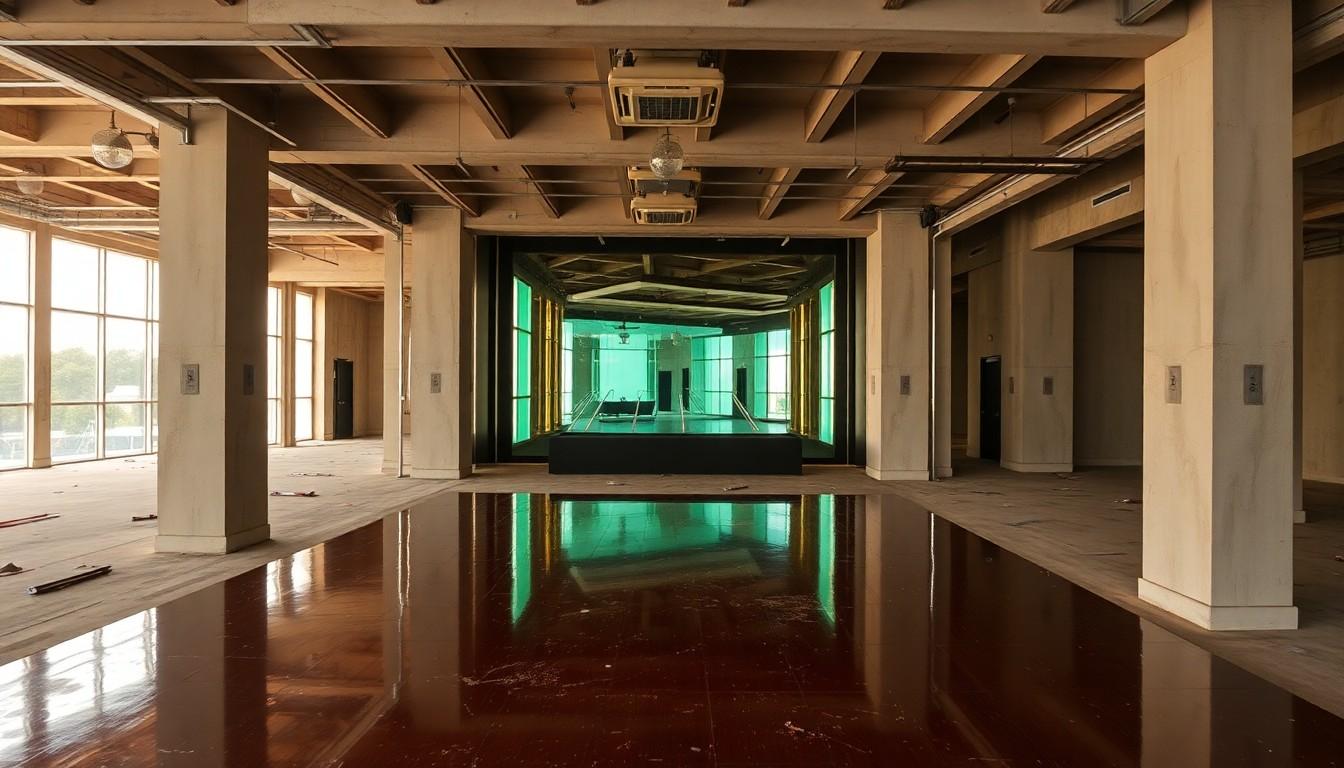
Shoppers, visitors and community members keep coming back to remember , ten years after the Pulse Nightclub massacre, Orlando is turning the site of grief into a permanent memorial that honours the 49 lives lost and the resilient LGBTQ+ community that rallied in the wake of the attack.
Essential Takeaways
- Permanent memorial planned: The City of Orlando purchased the Pulse property and is developing a memorial that preserves meaningful elements of the original club, including parts of the dance floor.
- Demolition and salvage underway: Demolition began in March 2026 with selected artifacts and the nightclub footprint slated for incorporation into the design.
- Community-led process: Survivors, victims’ families and local groups have driven planning and programming, aiming for reflection spaces, storytelling areas and preserved artefacts.
- Support services continue: Organisations such as QLatinx and the Orlando United Assistance Center keep providing advocacy, counselling and culturally specific support.
- A living memory: Annual name readings and survivor-only ceremonies reflect how remembrance remains active, communal and restorative.
Why a permanent memorial matters now
The strongest fact is simple and quiet: for many, Pulse is still a place that smells faintly of music and last conversations, not just a headline. According to local coverage, city leaders bought the property to ensure something lasting replaces the club, and demolition began in 2026 to make that possible. The move signals a shift from temporary vigils to a designed place where people can come back and grieve, reflect or teach future generations about what happened.
Survivors and families have pushed for a memorial that honours specific lives and stories. That’s shaped the process from day one, with officials promising to preserve pieces of the club rather than erase the site entirely. It’s a gesture that recognises the venue’s life as a community space as much as its tragic final night.
What the memorial will look and feel like
City plans emphasise reflection spaces and areas for storytelling, with the actual footprint of the nightclub marking the heart of the design. Officials say they’ll incorporate preserved dance-floor sections and other artefacts so visitors can connect physically with the place while still experiencing a quieter, respectful environment.
Designers are talking about soft edges, places to sit and pause, and interpretive elements that centre the 49 names and their stories. You won’t find a museum-like exhibition here so much as a contemplative landscape, intended to be both public and intimate , a place to return to, not just to look at.
How community input shaped the project
From the outset, survivors, family members and advocacy groups have been in the driver’s seat. Local reporting highlights survivor-organised, family-only ceremonies and community meetings that steered city decisions. That participation helped ensure the memorial reflects the needs of those it most directly affects rather than a top-down civic monument.
Groups such as QLatinx and the Orlando United Assistance Center remain active, offering culturally specific advocacy and long-term mental health support. Their involvement matters because grief here is ongoing, layered and communal , and the memorial is as much about supporting that ongoing process as it is about stone and landscaping.
What this means for LGBTQ+ safety and memory
The Pulse tragedy altered conversations about safety in queer spaces, particularly for LGBTQ+ people of colour. Reporting over the decade shows that remembrance became a prompt for policy discussions, community resilience work and broader visibility around who is most often targeted by gun violence.
This memorial isn’t just a site of mourning; it’s a statement that queer lives and histories are worth preserving in public memory. For organisers and activists, the design choices , from preserved artefacts to names read each year , are meant to hold both grief and the everyday joy that once filled the room.
How to visit, remember or get involved
Plans project construction through 2027, and officials say parts of the club will be preserved. If you’re thinking of visiting, check local listings and community groups for event details, survivor-led ceremonies and guidelines meant to keep the site respectful. If you want to support survivors directly, look to local organisations providing counselling and culturally responsive services.
And if you live in Orlando, expect chances to participate in public planning sessions or volunteer with groups leading remembrance efforts. The city has made community input central to the project, so there are meaningful ways to help shape what the memorial becomes.
It's a small, careful step toward making grief visible and memory durable.
Source Reference Map
Story idea inspired by: [1]
Sources by paragraph: