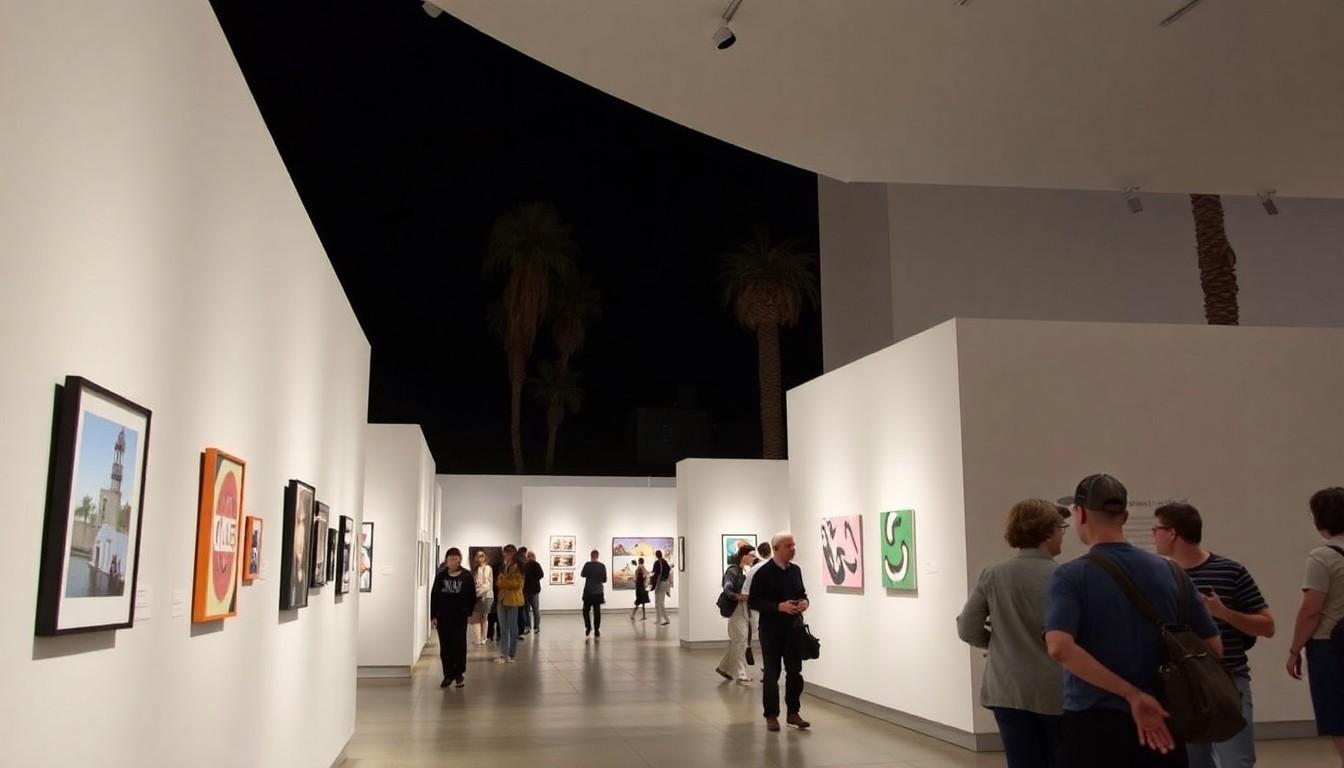
Shoppers and visitors are flocking to Pride Night at the Palm Springs Art Museum, where colourful exhibitions, guided tours, and community storytelling turned galleries into an affirming, social space that matters , for locals, tourists, and anyone wanting to see queer art centre stage this June.
Essential Takeaways
- Event focus: The museum staged a Pride Night with interactive gallery experiences and guided tours highlighting LGBTQ+ artists and themes.
- Key exhibitions: The Q+ Art Initiative shows, including A Queer Arcana: Art, Magic, and Spirit and Tender Swagger, were central draws with bold, personal works.
- Atmosphere: Crowded yet warm, the evening felt intimate , visitors swapped stories and found visible affirmation.
- Practical note: The museum runs year-round Q+ programming and public events, so you can engage beyond a single night.
- Local impact: Organisers say keeping Pride visible across June helps the Coachella Valley feel safer, more inclusive, and culturally vibrant.
A night where the gallery felt like a living room
The first thing people noticed was the sound: soft voices, laughter, the low murmur of conversations lingering in front of large, colourful canvases. According to the museum’s event listings, the Pride Night included interactive elements and guided tours that made the art feel immediately accessible. Visitors didn’t just look , they talked, compared notes, and left with new names to follow.
That intimacy wasn’t accidental. Palm Springs Art Museum has a calendar full of Pride and Q+ events aimed at creating shared moments, not just passive viewing. If you want an experience that feels like community-building as much as culture, this is the sort of evening that delivers.
Q+ Art Initiative: why those shows mattered
Central to the night were the Q+ Art Initiative exhibitions, which the museum promotes as a long-term commitment to queer artistic voices. Shows like A Queer Arcana and Tender Swagger bring together themes of identity, spirituality, and transformation, and they’re staged to encourage conversation as much as contemplation.
Museum materials suggest the initiative isn’t a one-off. It’s part of a wider effort to put LGBTQ+ perspectives into the permanent conversation, which matters if you’re tired of token gestures and want sustained representation. For visitors, the work feels both urgent and celebratory , visually rich and emotionally direct.
Guided tours that actually guided conversation
Docents and staff played a big role in turning the evening from exhibition into encounter. Guides led people through specific works, pointing out references, historical threads, and the personal stories behind certain pieces , the kind of context that makes contemporary art click.
If you’re thinking of going next time, consider joining a tour early. They add background, offer protective framing for challenging themes, and make it easier to start conversations with strangers in the room. For many attendees, that scaffolding turned curiosity into meaningful exchange.
Pride Night as safe space and cultural marker
Beyond art, the evening functioned as an affirming public space. Guests shared personal accounts of past struggles and present acceptance, underlining how visibility in cultural institutions matters. Organisers have emphasised , and the museum’s events page confirms , that keeping Pride visible through June and beyond is part of making the valley feel safer and more integrated.
That matters for communities that don’t always see themselves reflected in civic life. An event like this makes inclusion visible, and that visibility ripples outward: friends bring friends, stories circulate, people feel recognised.
Plan your visit: practical tips and what’s next
The museum runs several Q+ and Pride-linked events year-round, so if you missed this night you haven’t missed the movement. Check the museum’s events calendar for recurring Pride programming and special launches tied to Q+ initiatives.
Go early, take a guided tour, and give yourself time to linger. Expect big canvases, textured installations, and works that reward slow looking. And if you’re bringing someone who’s new to contemporary queer art, pick a few pieces to discuss , it makes the evening feel less like a lecture and more like a shared discovery.
It's a small change that can make every cultural night feel more open, relevant, and human.
Source Reference Map
Story idea inspired by: [1]
Sources by paragraph: