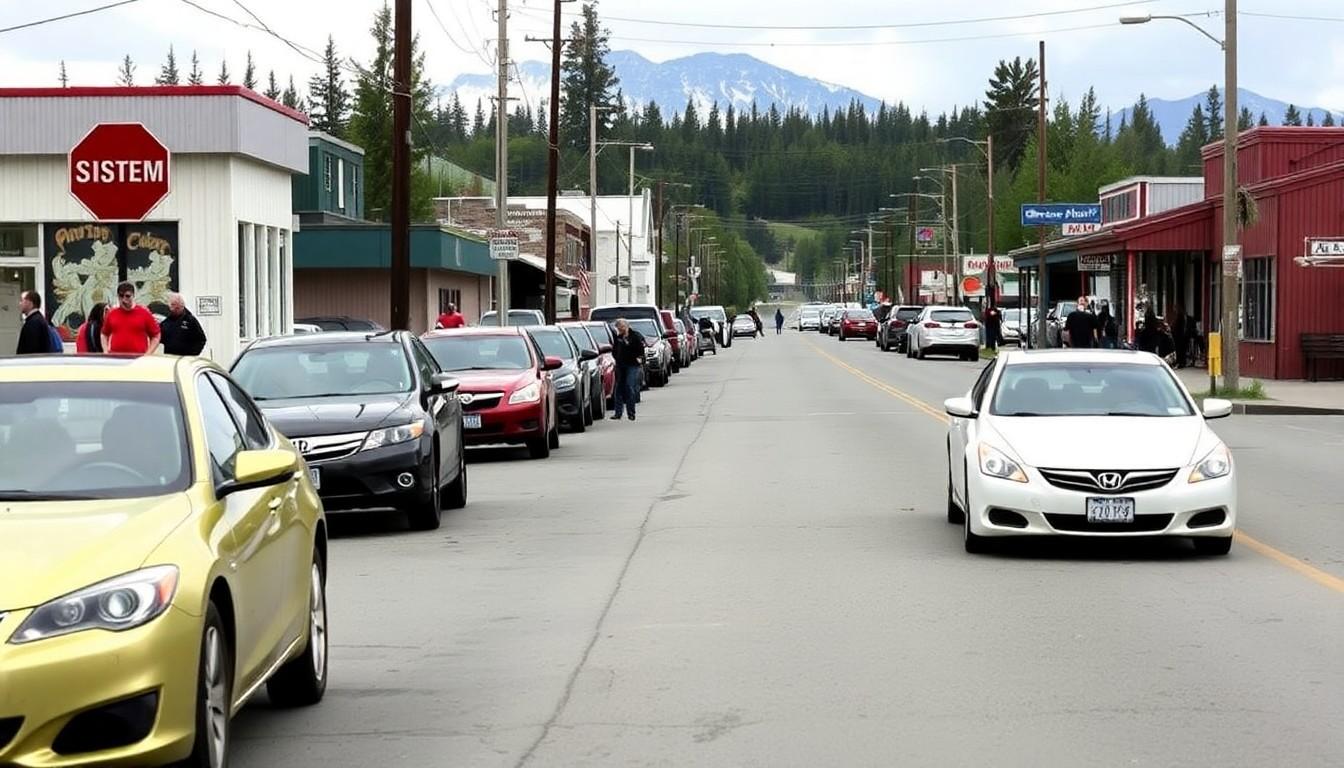
Watchers noticed a quiet shift this June as organisers of Soldotna’s annual Pride in the Park announced a pause; the scaled-back march still goes ahead on June 13, and locals are debating what the cancellation says about volunteer burnout, community division and the future of LGBTQ visibility on the Kenai Peninsula.
Essential takeaways
- Event paused: Soldotna Pride Council cancelled the full Pride in the Park festival, citing volunteer shortages and the need to “rest and recharge.”
- Smaller march proceeds: A pared-back Pride march will move from Soldotna Creek Park to The Goods on June 13 at 11 a.m., visible but lower-key.
- History of tension: Past festivals drew both supporters and vocal opponents after sexually suggestive drag performances prompted local controversy and city council complaints.
- Local reactions split: Organisers hope to rebuild for 2027, while conservative protesters view the pause as vindication and plan to meet marchers.
- Practical note: If you plan to attend, expect a peaceful, community-focused procession rather than a full festival experience.
What organisers said and why the festival was shelved
The Soldotna Pride Council told followers it was “taking a break,” pointing to a lack of volunteers and the need to plan sustainably. That honest, low-key message feels human: putting on a festival takes time, money and people, and small activist groups often run on goodwill and spare hours.
Organisers framed the decision as self-care and strategic planning, saying they want to rebuild a team and return stronger. According to the council’s public posts, the group still wants visibility this June, hence the shorter march route to The Goods, a local partner for LGBTQ causes.
For local residents the statement landed in different ways: some saw it as a responsible pause, others as a retreat. Either way, the change highlights how community events depend on steady volunteer pipelines , and how fragile that can be after several years of heated debate.
How past controversies shaped this moment
Soldotna’s Pride events have not been quiet affairs historically. Past parades and performances , particularly drag segments described by critics as sexually suggestive , ignited protests and city hall complaints. Video clips from earlier years circulated widely and intensified feelings on both sides.
That backlash forced conversations about what belongs in public parks, how to protect minors, and how municipalities should balance free expression with community standards. Those debates still echo today, and they help explain why some volunteers and potential partners might think twice about committing to a full-scale festival.
Context matters: small-town events intersect with national culture wars, and when emotions run high it becomes harder to recruit and retain organisers.
The march on June 13: what to expect and how to prepare
Organisers are keeping the march simple: a walk from the park to The Goods at 11 a.m., rather than a day-long festival with stages, contests and vendors. That means fewer logistical headaches, but it will still be public and symbolic.
If you plan to attend, bring water, comfortable shoes and a calm mindset. Expect both supporters and counter-protesters along the route; organisers have framed the gathering as peaceful and community-minded, while local conservative groups have already signalled they’ll be present to "affirm a different view."
Local law enforcement and volunteers typically help manage routes like this; if you’re unsure about safety, check social channels for last-minute updates from event pages or The Goods.
Bigger picture: volunteer fatigue, funding, and the future of local Pride
This pause underlines a common reality for grassroots events: volunteer fatigue and unreliable funding can do more to sideline celebrations than any protest. Organisers mentioned the need to recharge, and that’s a candid admission of the human cost of running visible campaigns in contentious places.
Funding dynamics matter too. When external grants or municipal support ebb, so can the capacity to stage large events. Some residents argue that past festivals were boosted by outside groups, and as those resources shift, the events contract , a point raised loudest by critics.
Still, organisers say they want to return in 2027 if they can rebuild capacity. That timeline suggests a thoughtful regrouping rather than permanent retreat, and it gives both sides time to reflect on what a new, locally supported Pride might look like.
What this means for community conversation
A smaller march means fewer bells and whistles, but it doesn’t erase the conversation around visibility, inclusion and public space. For supporters it’s a chance to demonstrate local solidarity without spectacle. For opponents it’s an opportunity to maintain pressure and visibility of their own.
Either way, the pause opens space for a different kind of civic dialogue , one that could focus on clear guidelines for public events, better volunteer recruitment, and ways to keep everyone safe and respected. That would be a healthier outcome than repeated cycles of escalation and withdrawal.
It's a small change that may reshape how the Kenai Peninsula holds space for difference.
Source Reference Map
Story idea inspired by: [1]
Sources by paragraph: