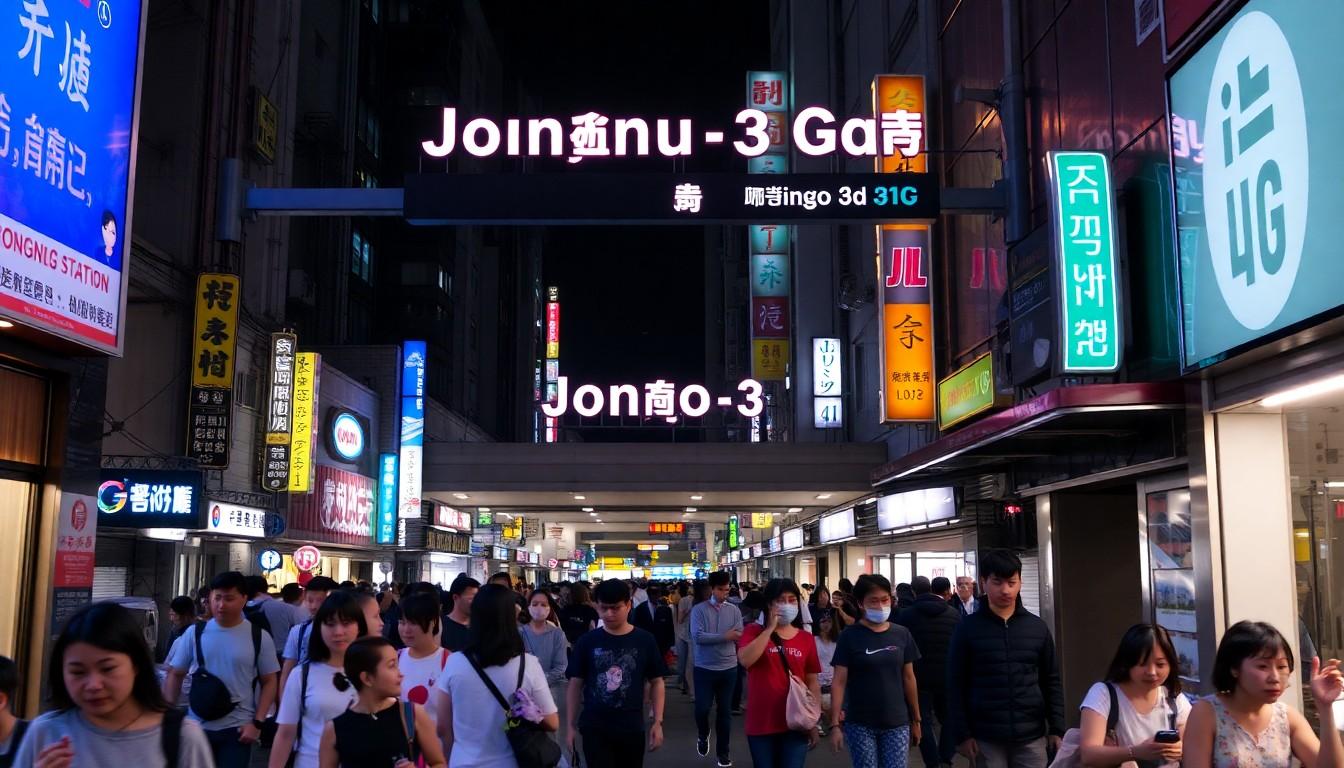
Spot a lively corner of Seoul nightlife: head to Jongno, where locals raise soju flutes in cosy bars and shabbier streets hum with decades of queer history , perfect if you want an authentic, less touristy gay scene away from Itaewon. Here's what to know, where to go, and how to blend in.
Essential Takeaways
- Local vibe: Jongno’s gay scene is homely and low-key, with snug bars and friendly regulars rather than glossy clubs.
- Historic streets: The area around Jongno 3-ga and Donhwamunro still echoes the old pocha culture , cheap soju, street food, and rowdy warmth.
- Bar Friends: A long-running favourite in the neighbourhood, known for its relaxed feel and multigenerational clientele.
- Easy access: Jongno 3-ga station (Lines 1, 3 and 5) puts you within walking distance of palaces, hanok lanes and the gay bar strip.
- Go like a local: Weekends are busiest; keep conversation light, respect privacy and enjoy the slow, neighbourly pace.
Why travellers should skip Itaewon and try Jongno instead
If you’ve read the guidebooks, Itaewon will look familiar: neon, DJs, club doors and tourists. Jongno is the quieter sibling , think tucked-away bars, bar stools worn smooth and a softer soundtrack. According to locals, the district’s charm is its intimacy; you're more likely to chat with a bartender than be shepherded onto a VIP list. That means conversations that feel real, and nights that hang together like a shared story rather than a checklist.
For visitors, that shift matters. Jongno showcases a layer of Seoul that’s domestic and lived-in. It’s also close to city landmarks like Gyeongbokgung and Changgyeonggung, so you can spend the day among palaces and the evening in a cosy backstreet bar.
Meet Friends: a classic Jongno bar with history and heart
Bar Friends has been a touchstone for gay Seoulites for years, praised for its steady, neighbourly atmosphere. The place keeps it simple: stools at the bar, familiar faces, warm lighting and an easygoing soundtrack. That’s the opposite of showy nightlife, and many travellers say it’s what makes Jongno unforgettable.
If you want to experience authentic local culture, start here. Bartenders are chatty and the crowd spans ages, so conversations range from pop culture to life in Seoul. It’s also a gentle reminder that queer nightlife isn’t all about flashing lights , sometimes it’s about a good drink and better company.
Pocha culture: street food and cheap soju that set the tone
Donhwamunro used to be lined with pochas , tarpaulin-covered stalls selling tteokbokki, grilled seafood and plenty of soju , and though the street scene has evolved, that spirit remains. The smell of frying batter and the clang of communal tables create a night that’s tactile and immediate. It’s the sort of place where strangers share a plastic table and a bottle, then leave as if they’ve known each other all evening.
When you go, order something simple and share. The food is unpretentious, the portions comforting, and the experience social. It’s the kind of thing guidebooks don’t always capture: the warmth of being welcomed into a makeshift street party.
How to visit respectfully and enjoy the scene
Jongno’s charm comes from its localness, so be mindful. Weekends are the liveliest, and bars can get snug. Keep your phone use discreet, ask before photographing, and listen more than you talk. Learn a few Korean greetings , a little effort goes a long way , and you’ll notice people light up.
If you want to meet locals, start with a friendly question about the neighbourhood or a recommendation. Many regulars are happy to chat, and conversation often leads to bar-hopping rather than a single-club night. Above all, take cues from whoever’s hosting the space: if it’s loud and playful, join in; if it’s quiet and intimate, lean into that rhythm.
What Jongno says about queer Seoul now and next
Jongno represents a persistent, quieter form of gay life in Seoul: less commercial, more communal. As dating apps and tourist-oriented venues grow, Jongno’s bars offer continuity , a reminder that queer culture exists in small, everyday places as well as big-city spectacles. For travellers, that means there’s a scene where you can listen, learn and maybe make a friend or two.
Expect the area to keep evolving, but to keep that human centre. If you’re looking for a souvenir that isn’t a T-shirt, bring back a memory of a shared soju bottle and a laugh in a tiny bar.
It's a small change in itinerary that makes nights in Seoul feel more like belonging.
Source Reference Map
Story idea inspired by: [1]
Sources by paragraph: